русский
 Español
 عربى
عربى 中文简体
中文简体Biomass Pellets Mill Pellet Ring Die
Cat:Pellet Mill Screw Type Stainless Steel Die
Biomass pellet ring dies play a critical role in the production of biomass pellets, and their design and material can significantly impact the quality...
See Details


Content
Dimpled bearing steel pellet rollers are critical components in pelletizing processes used in industries such as feed production, biomass energy, and chemical processing. These rollers feature a dimpled surface and high-strength bearing steel construction, which enhances grip, ensures uniform pellet formation, and extends operational lifespan. Their specialized design addresses common challenges in pellet production, including material slippage, inconsistent pellet size, and excessive wear on equipment.
By integrating dimpled bearing rollers, manufacturers can improve production efficiency, reduce downtime, and maintain consistent product quality across high-volume operations.
The dimpled surface of these steel rollers provides traction on raw materials during the pelletizing process. Each dimple acts as a micro-grip point, reducing slippage and ensuring materials are properly compressed into uniform pellets. This design is particularly effective for materials that are sticky, fibrous, or prone to uneven flow.
Compared to smooth rollers, dimpled rollers minimize material wastage and allow for consistent feedstock processing, resulting in higher overall pellet yield.
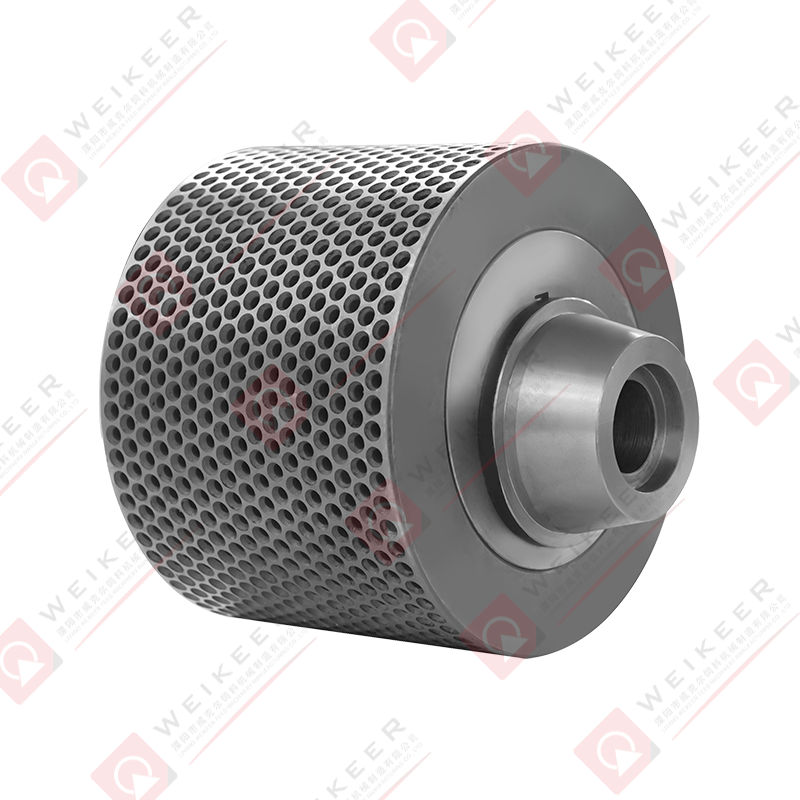
Constructed from high-grade bearing steel, these rollers offer hardness, wear resistance, and fatigue strength. Bearing steel allows the roller to withstand high pressures, friction, and repetitive stress typical in pellet mills without deforming or developing surface cracks.
The combination of dimpled design and durable steel extends the lifespan of the roller, reducing the frequency of replacements and maintenance interventions, which lowers operational costs for manufacturers.
Uniform compression achieved by dimpled rollers ensures consistent pellet density and size. This consistency is crucial in feed and biomass industries, where pellet quality directly affects product performance, storage stability, and combustion efficiency.
By reducing irregularities such as cracked or uneven pellets, these rollers help manufacturers meet stringent quality standards, improve end-user satisfaction, and minimize product rejection.
Dimpled bearing steel rollers are designed for minimal maintenance. Their robust construction resists wear from abrasive materials, while the bearing steel composition prevents premature fatigue or surface degradation.
These advantages translate into reduced machine downtime, more continuous production, and lower labor costs associated with maintenance tasks.
Dimpled bearing steel rollers are suitable for a wide range of materials, including wood, feed grains, biomass, and chemical powders. The dimple pattern can be optimized to match specific material properties, ensuring efficient compression without excessive wear or energy consumption.
This adaptability allows manufacturers to use the same roller design across multiple production lines or switch feedstock without compromising pellet quality or equipment performance.
Dimpled rollers reduce the force required to compress materials into pellets by increasing grip and improving material flow. This efficiency reduces the load on pellet mill motors, lowers energy consumption, and decreases operational costs over time.
Efficient energy usage is especially important in large-scale operations where energy costs can be a significant portion of total production expenses.
| Feature | Dimpled Bearing Steel Roller | Standard Smooth Roller |
| Material | High-grade bearing steel | Standard steel or alloy |
| Surface Grip | High (dimpled) | Low (smooth) |
| Pellet Consistency | High | Moderate |
| Maintenance Frequency | Low | High |
| Service Life | Long | Moderate |
Dimpled bearing steel pellet rollers offer significant advantages in pelletizing processes, including enhanced grip, durability, consistent pellet quality, reduced maintenance, adaptability, and energy efficiency. Their design addresses common challenges faced in industrial pellet production and ensures high operational reliability.
By investing in dimpled bearing rollers, manufacturers can achieve improved production efficiency, lower operational costs, and product quality, making them a preferred choice over standard smooth rollers in demanding pelletizing applications.
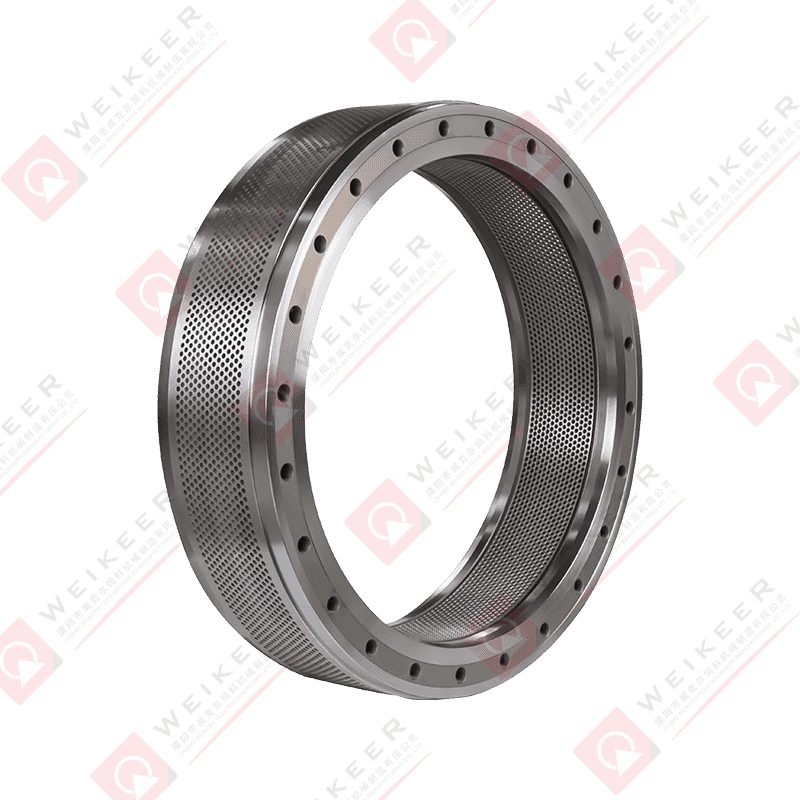
Biomass pellet ring dies play a critical role in the production of biomass pellets, and their design and material can significantly impact the quality...
See Details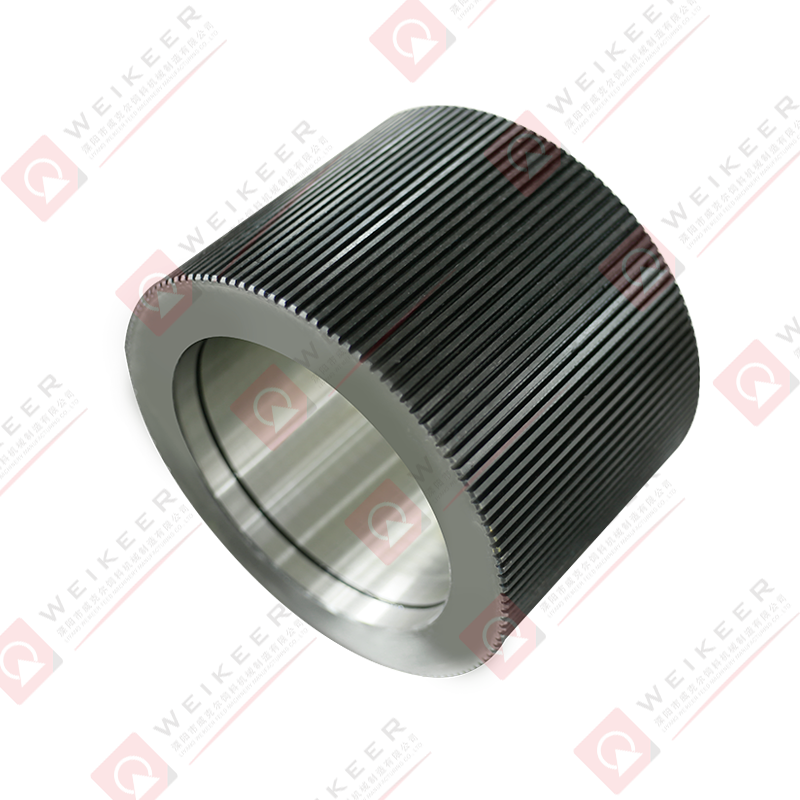
Alloy steel roller corrugated open ends are designed for specific applications where strength, durability, and resistance to wear are essential. Made ...
See Details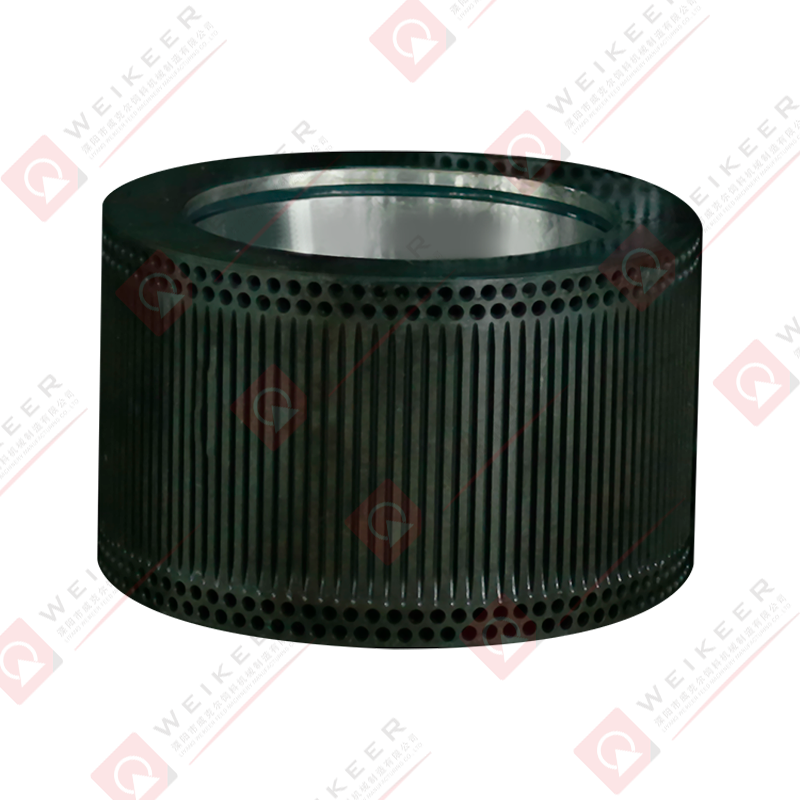
The 20CrMnTi alloy steel provides tensile strength and toughness, making the rollers suitable for heavy-duty applications. The design can help minimiz...
See Details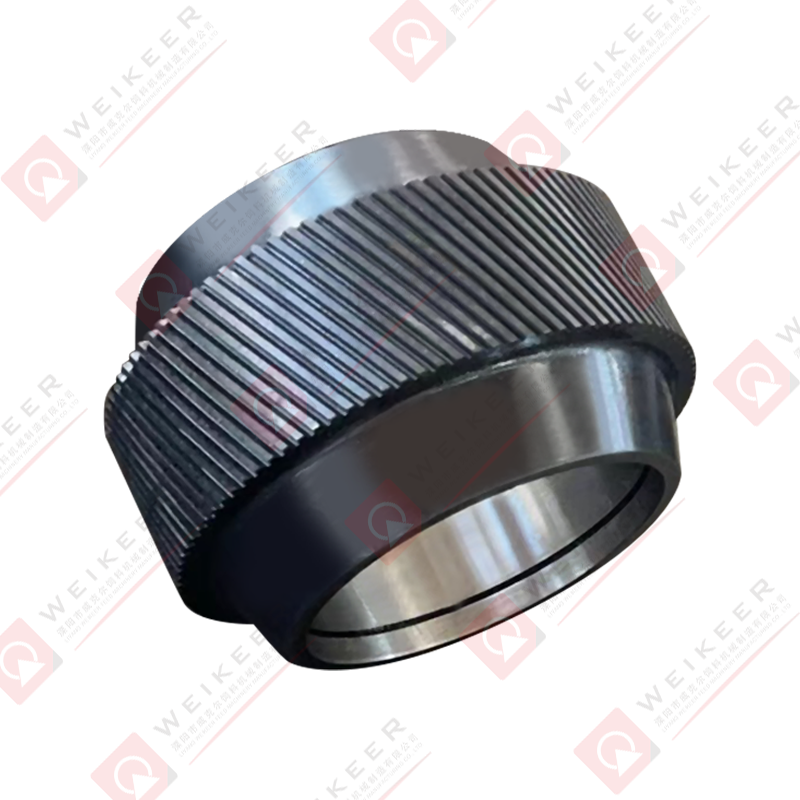
The 20CrMnTi roller with a diagonal groove design is a specialized component crafted from high-quality 20CrMnTi alloy steel. This roller is engineered...
See Details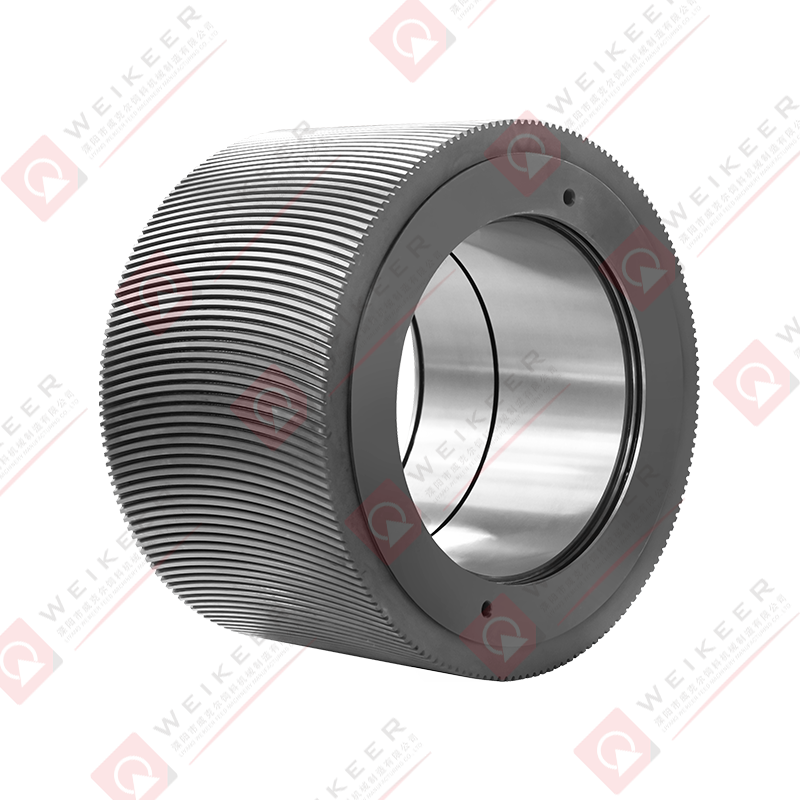
The 20CrMnTi roller with curved corrugation is a high-performance component made from durable 20CrMnTi alloy steel. Its unique curved design enhances ...
See Details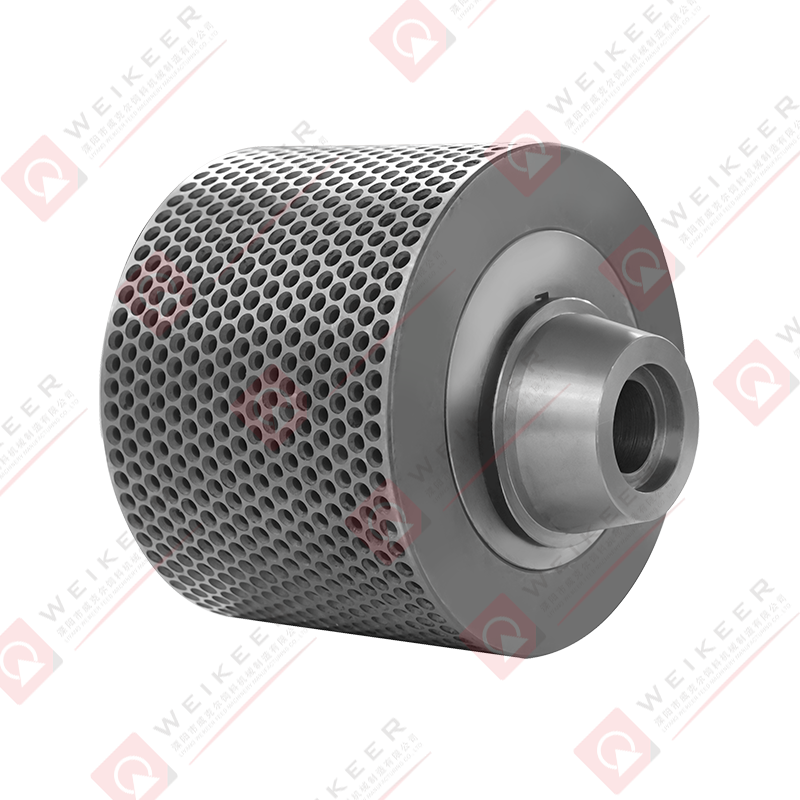
The closed-end structure enhances durability and provides better containment of materials, reducing the risk of spillage. The robust design minimizes ...
See Details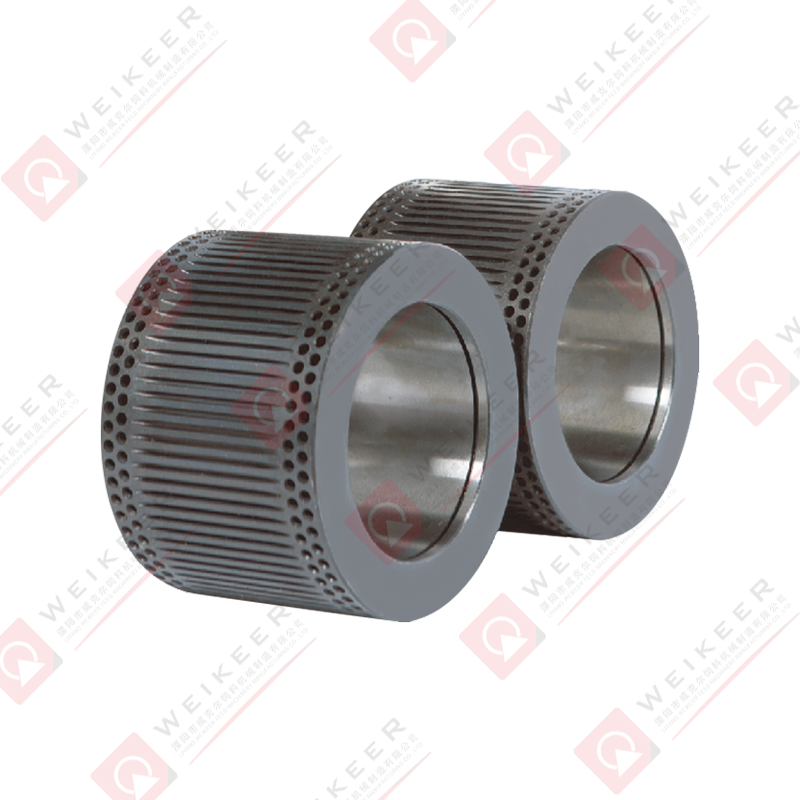
The GCr15 roller featuring a closed corrugation and dimpled design is a high-performance component crafted from GCr15 bearing steel, known for its wea...
See Details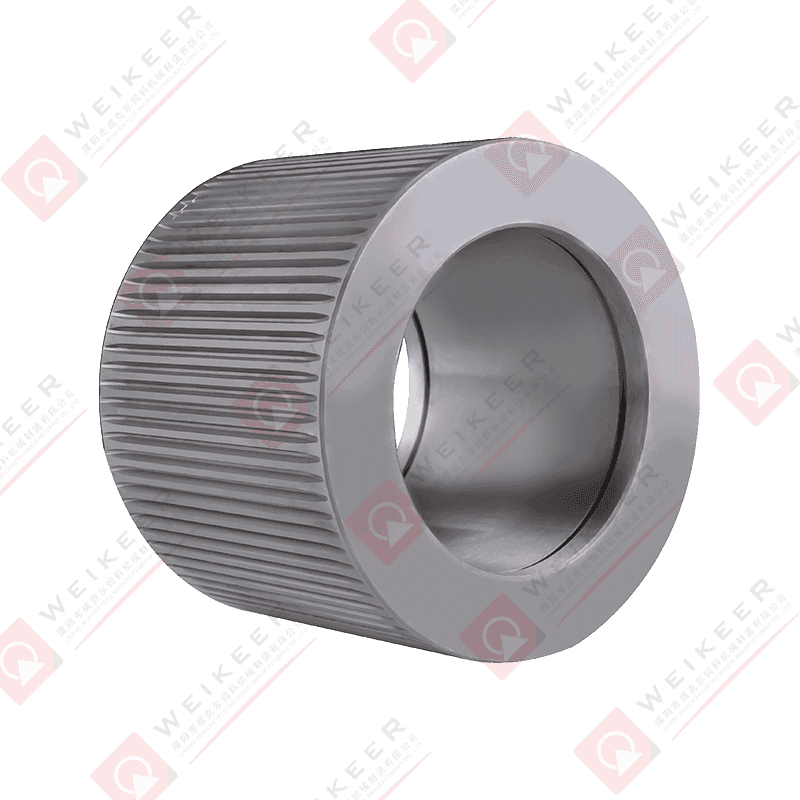
The spring steel roller with a corrugated close end is a robust component specifically designed for efficient material handling. Made from high-qualit...
See Details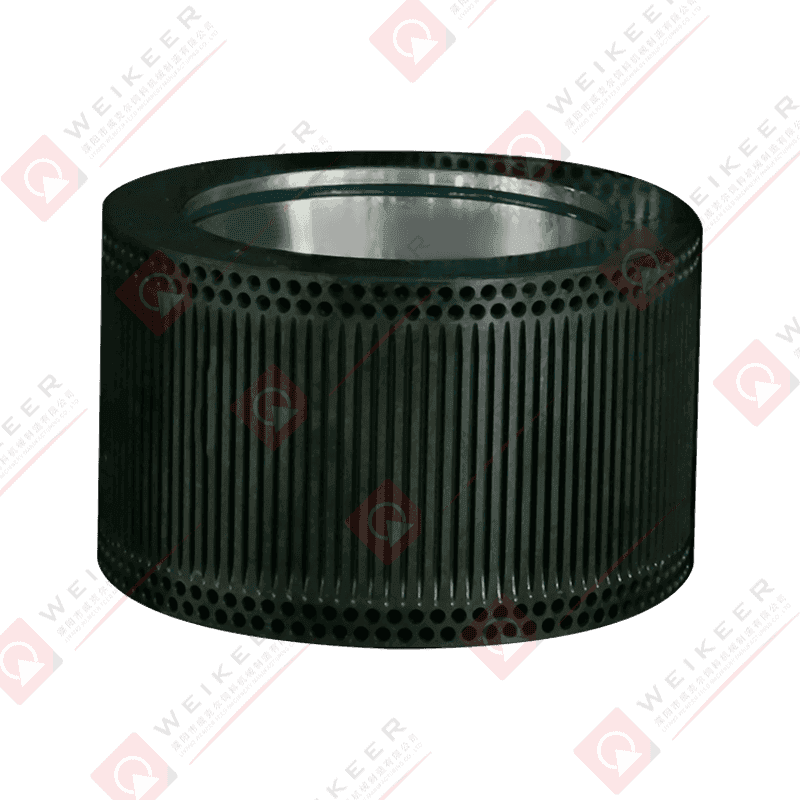
The 100Cr6 roller featuring a closed corrugation and dimpled design is a high-performance component made from spring steel, recognized for its excepti...
See Details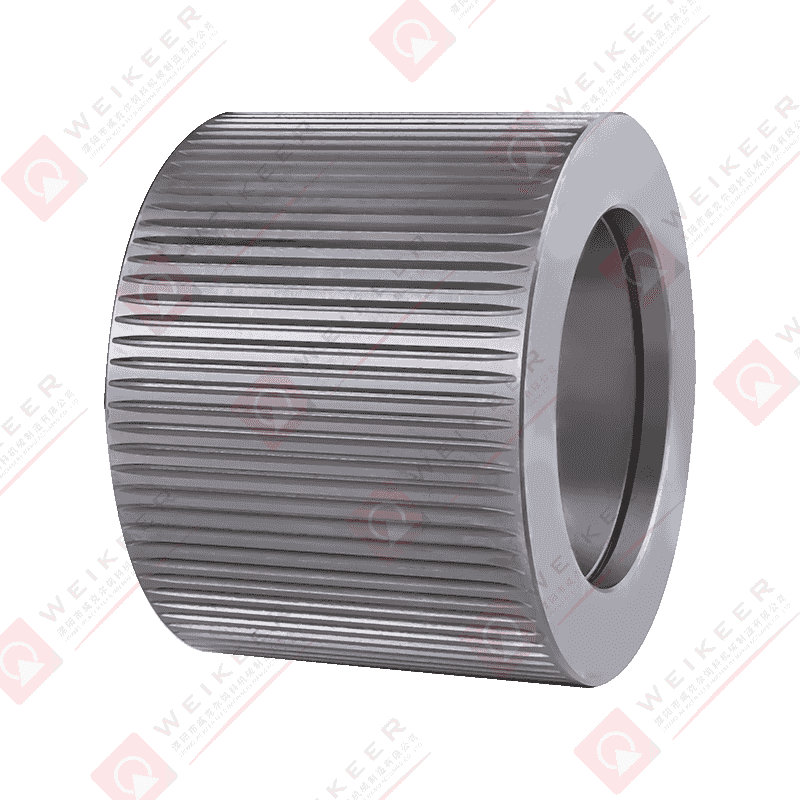
The closed-end structure enhances durability and provides better containment of materials, reducing the risk of spillage.The robust design minimizes w...
See Details
Add: No.12 Zhongdali Road, Xinbei Industrial Park, Daibu Town, Liyang, Jiangsu, China.

Phone: +86-13901498718

Tel: +86-0519-87306996

Email: alicezy@wkejx.com
Copyright © by Liyang Weikeer Feed Machinery Manufacturing Co.Ltd. Rights Reserved.
 Pellet Mills Dies Manufacturers
苏ICP备17039119号
Pellet Mills Dies Manufacturers
苏ICP备17039119号