What Is GCr15 Bearing Steel?
GCr15 is a high-carbon chromium alloy steel widely recognized as a standard bearing steel grade, particularly common in Chinese and broader Asian manufacturing standards. It roughly corresponds to AISI 52100 in the American classification system. The steel contains approximately 1% carbon and 1.5% chromium, along with controlled amounts of manganese and silicon, which together produce a material capable of achieving very high hardness after heat treatment while maintaining good wear resistance and fatigue strength.
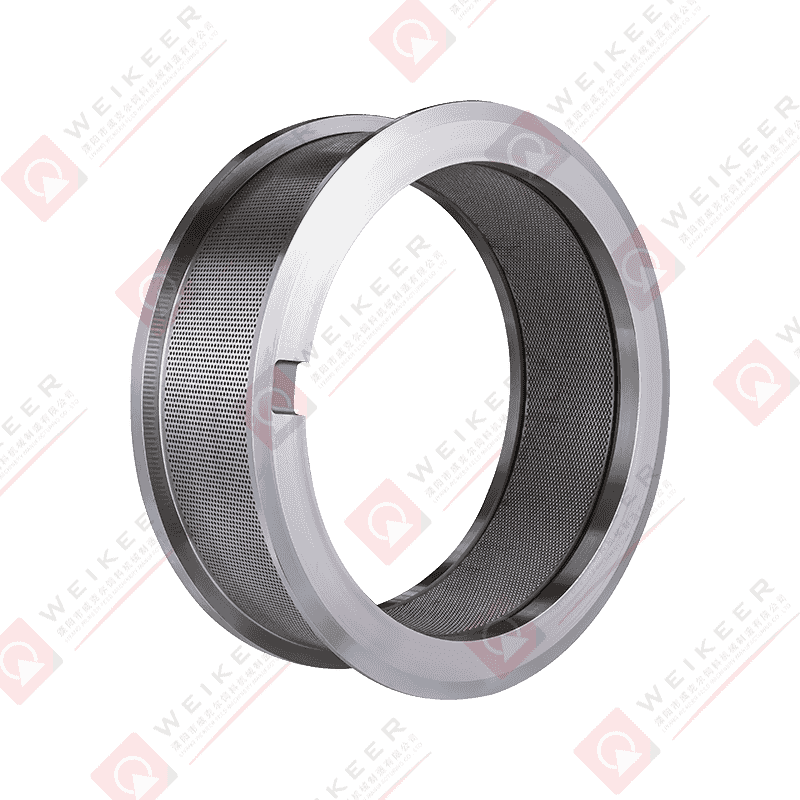
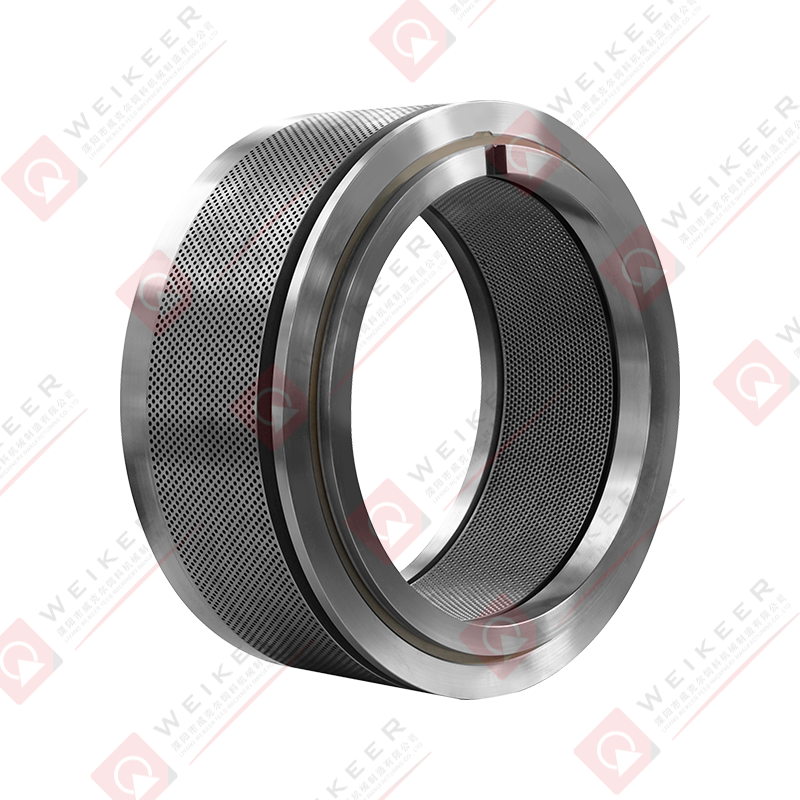
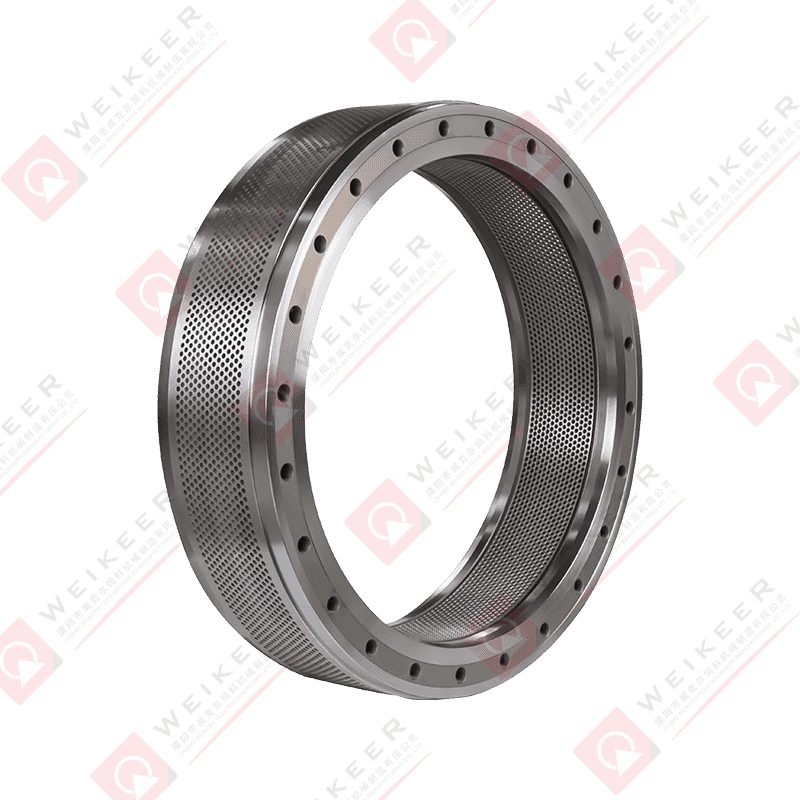
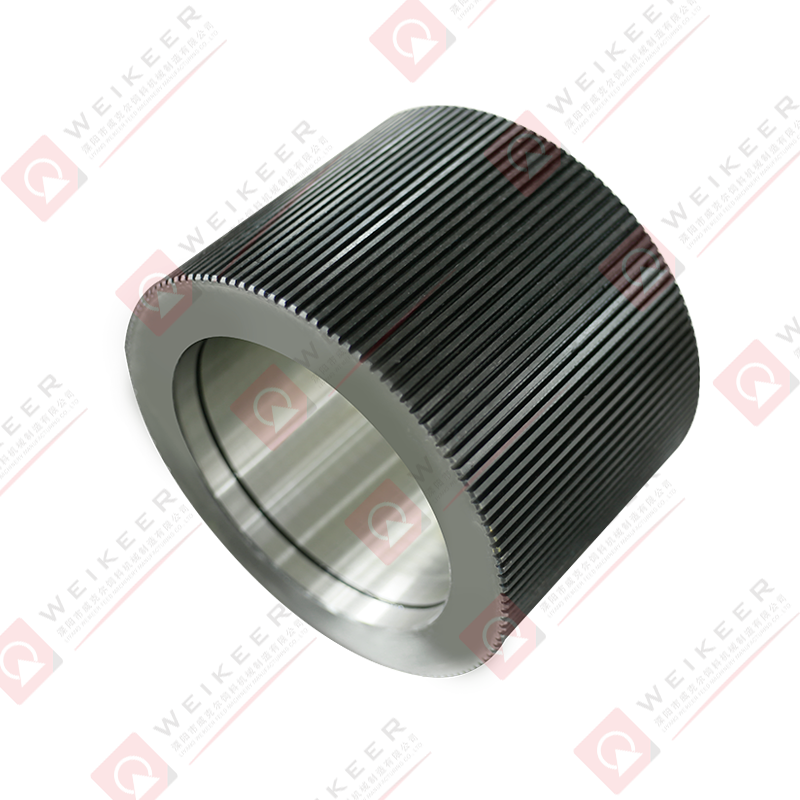
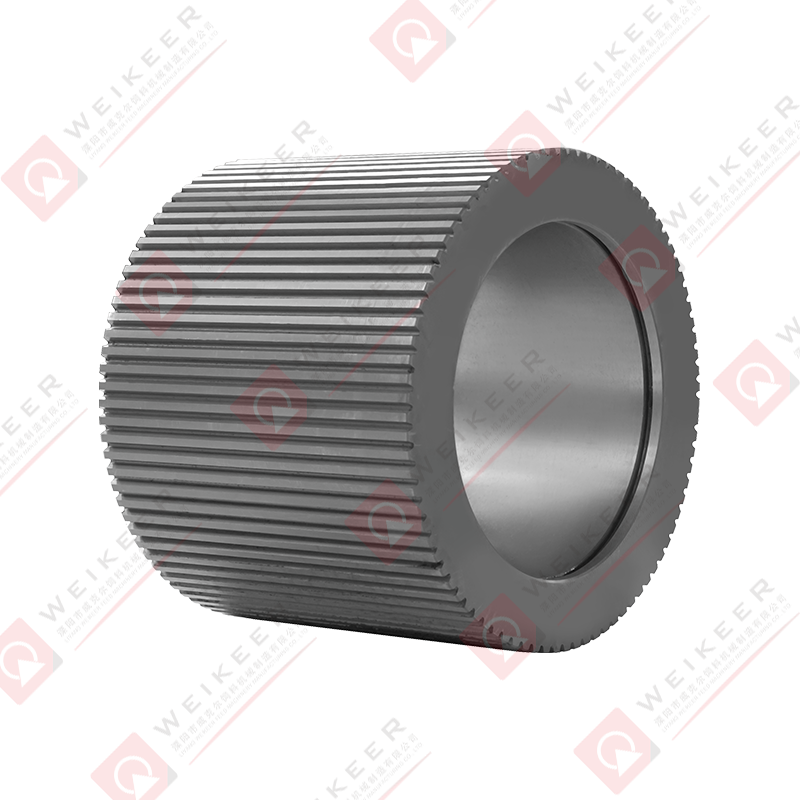
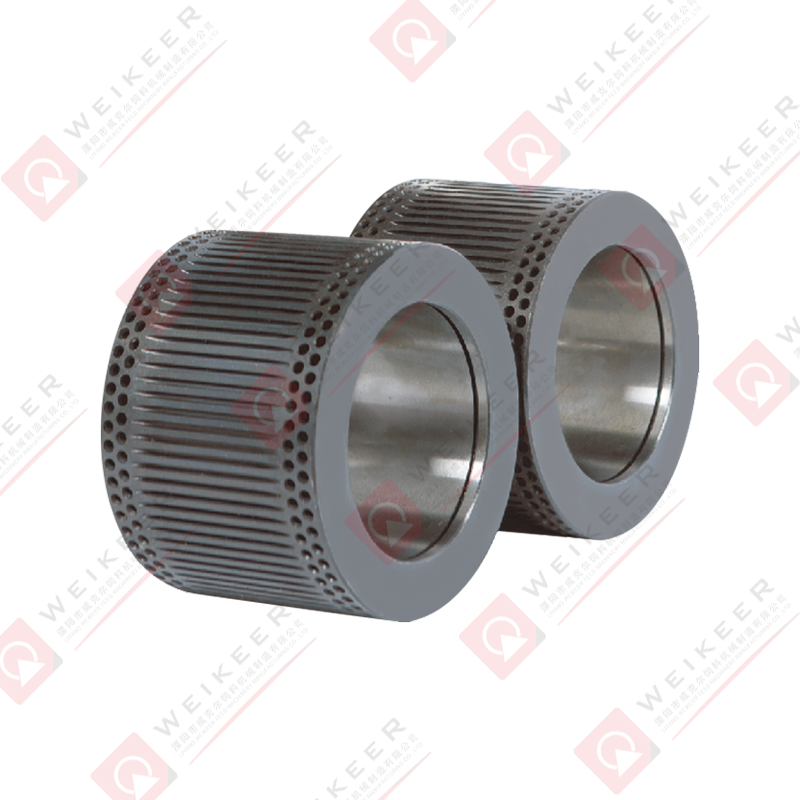
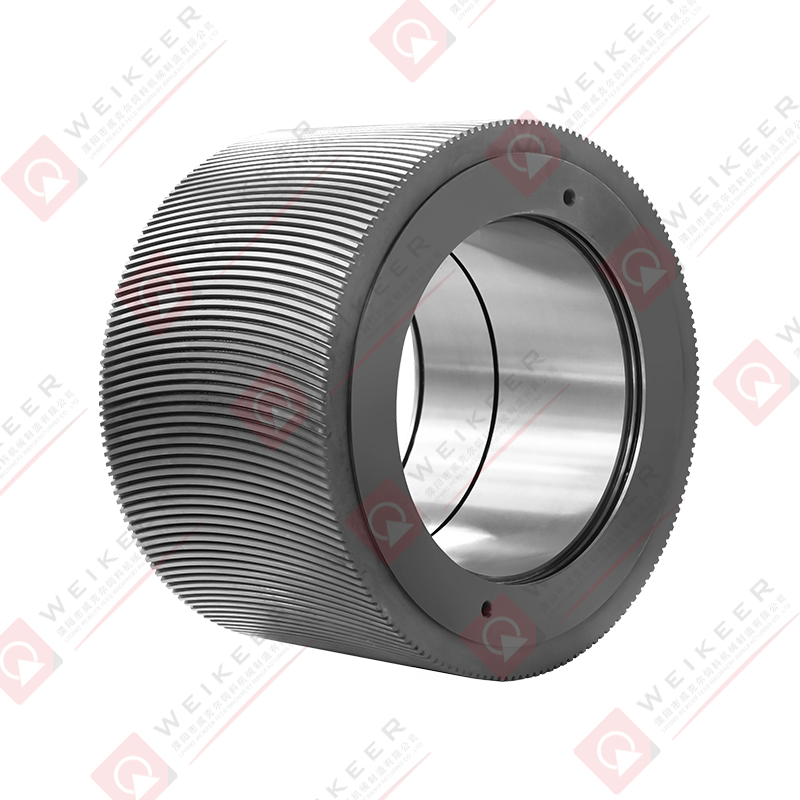
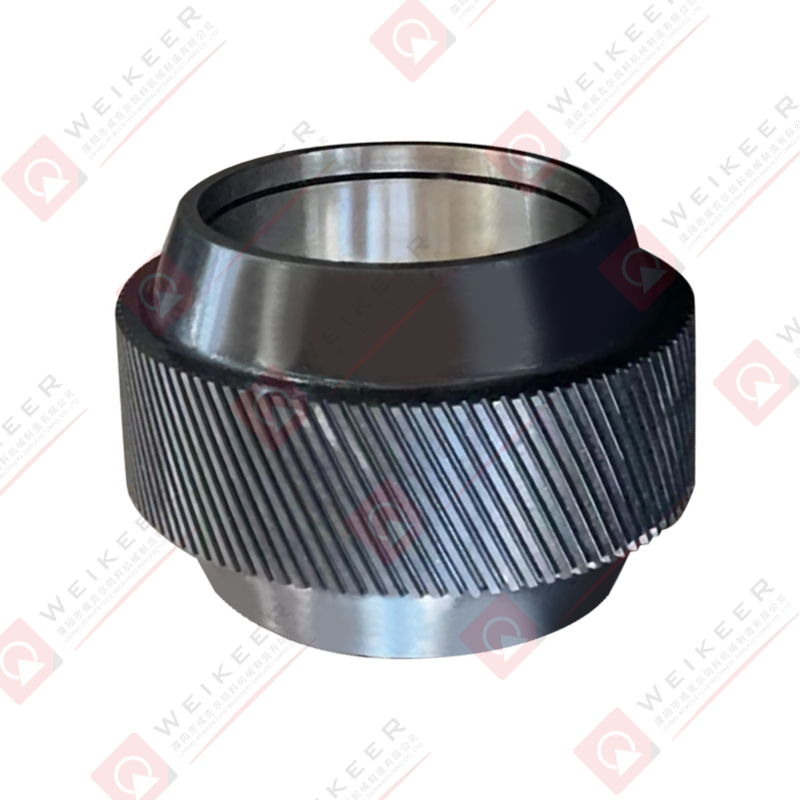
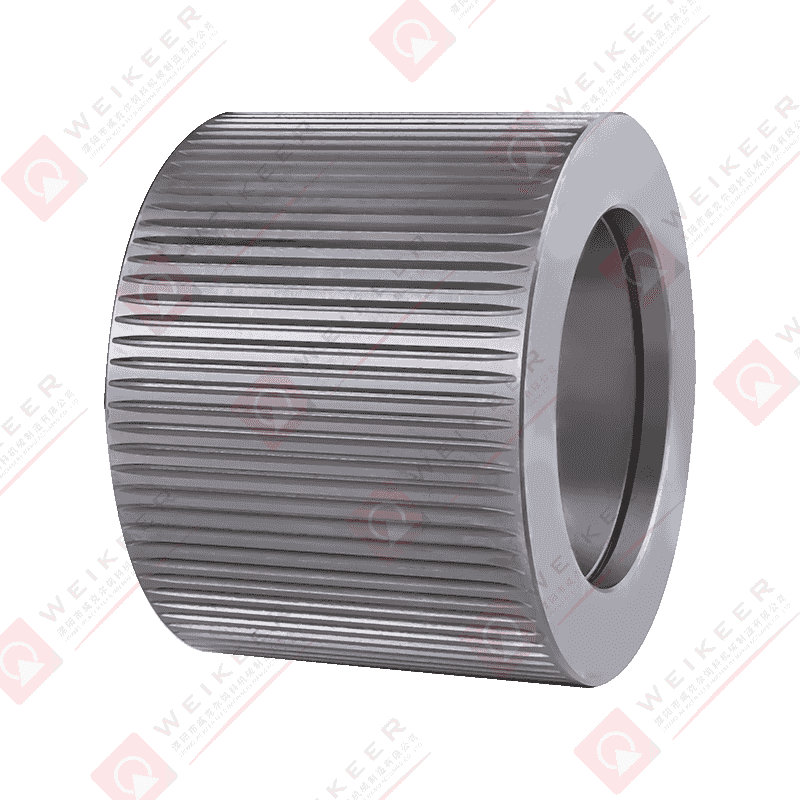
While GCr15 is most commonly associated with ball and roller bearings, its combination of hardness, toughness, and dimensional stability also makes it a suitable material for other high-wear components, including the roller shells used in pellet mills. In this application, the same properties that make GCr15 effective in bearings, namely resistance to surface fatigue and abrasive wear, directly translate into longer service life for roller shells operating under continuous mechanical stress.
Why Roller Shells Require High-Performance Steel
Pellet mill roller shells are subjected to extreme operating conditions, including continuous compression, friction, and abrasive contact with raw materials such as biomass, animal feed, or wood fines. Over time, this constant mechanical stress can cause surface wear, pitting, and eventually structural failure if the material lacks sufficient hardness and fatigue resistance.
Hardness and Wear Resistance
After proper heat treatment, GCr15 steel can achieve a surface hardness in the range of 60 to 64 HRC, which significantly reduces material loss from abrasive contact during pellet production. This level of hardness helps roller shells maintain their precise dimensional profile over extended operating periods, which is critical for consistent pellet quality.
Fatigue Resistance
Roller shells experience repeated cyclic loading as they rotate against the die during pellet formation. GCr15's fine, uniform microstructure, achieved through controlled heat treatment, provides excellent resistance to fatigue cracking, reducing the likelihood of sudden failure during operation.
Dimensional Stability
Maintaining consistent dimensions under heat and pressure is essential for roller shells, since even minor deformation can affect the clearance between the roller and die, impacting pellet density and production efficiency. GCr15 steel exhibits low distortion during heat treatment, which helps preserve tight tolerances throughout the manufacturing process.
Heat Treatment Process for Roller Shells
The performance of GCr15 roller shells depends heavily on the heat treatment process applied after forming. This typically involves several controlled stages designed to optimize hardness while relieving internal stresses.
| Stage |
Purpose |
| Annealing |
Softens steel for easier machining before hardening |
| Quenching |
Rapid cooling to achieve high hardness |
| Tempering |
Reduces brittleness while retaining hardness |
| Surface Grinding |
Achieves final dimensional precision and surface finish |
Manufacturers that carefully control each stage of this process produce roller shells with more consistent hardness distribution, which directly correlates with longer operational life and reduced maintenance frequency in the field.
Applications Across Pellet Mill Types
GCr15 roller shells are used across a range of pellet mill configurations, each suited to different production needs. Common applications include:
- Animal feed pellet mills processing grains, meal, and forage materials
- Wood pellet mills used in biomass fuel production
- Industrial pellet mills for chemical or mineral compounding
- Small-scale and farm-level pellet production equipment
In each of these settings, the roller shell must withstand not only mechanical wear but also, in some cases, exposure to moisture or mildly corrosive material components, making the balance of hardness and toughness in GCr15 particularly valuable.
Signs of Roller Shell Wear and When to Replace
Recognizing early signs of roller shell wear helps prevent unexpected downtime and maintains consistent pellet quality. Operators should monitor for the following indicators during routine equipment inspections:
- Visible pitting or surface roughness on the roller shell exterior
- Reduced pellet density or inconsistent pellet size output
- Increased motor load or unusual vibration during operation
- Visible grooves or channeling from prolonged material contact
Replacing worn roller shells before failure occurs helps avoid more costly damage to the die and other surrounding components, making periodic inspection an important part of routine pellet mill maintenance.
Choosing the Right Roller Shell for Your Mill
Selecting an appropriate GCr15 roller shell depends on several factors specific to the pellet mill and the materials being processed. Buyers should confirm the exact dimensional specifications required for their equipment, since roller shells must fit precisely to maintain proper compression against the die.
It is also worth requesting hardness test reports from suppliers to verify that the roller shell meets the expected hardness range for the intended application. For operations processing particularly abrasive materials, such as certain biomass feedstocks, buyers may want to discuss surface treatment options, such as additional coatings, that can further extend service life beyond the base properties of GCr15 steel.



 русский
 Español
 عربى
عربى 中文简体
中文简体