What a Stainless Steel Ring Die Does in a Pellet Mill
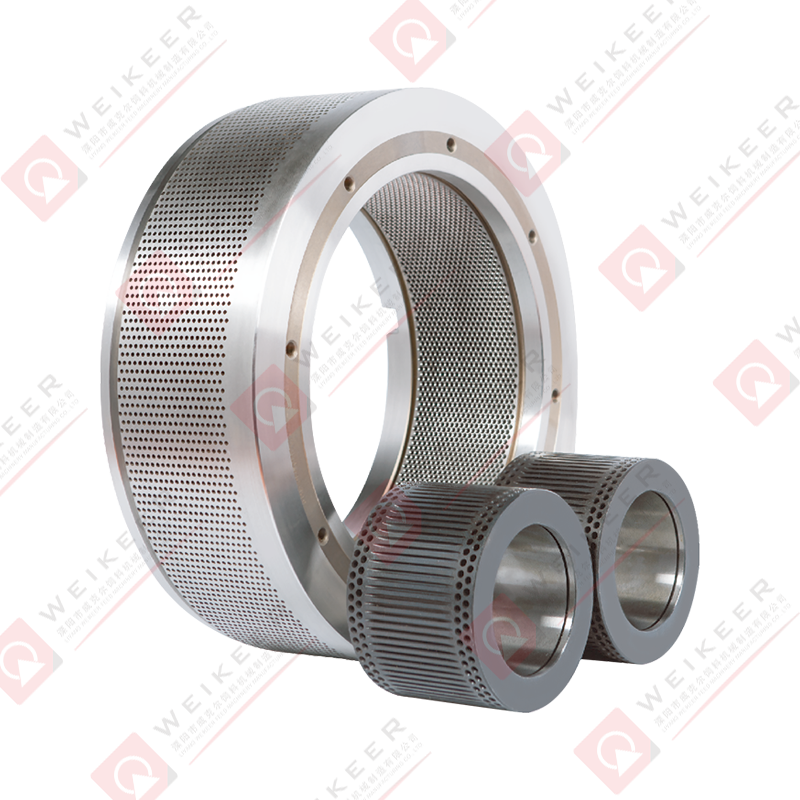
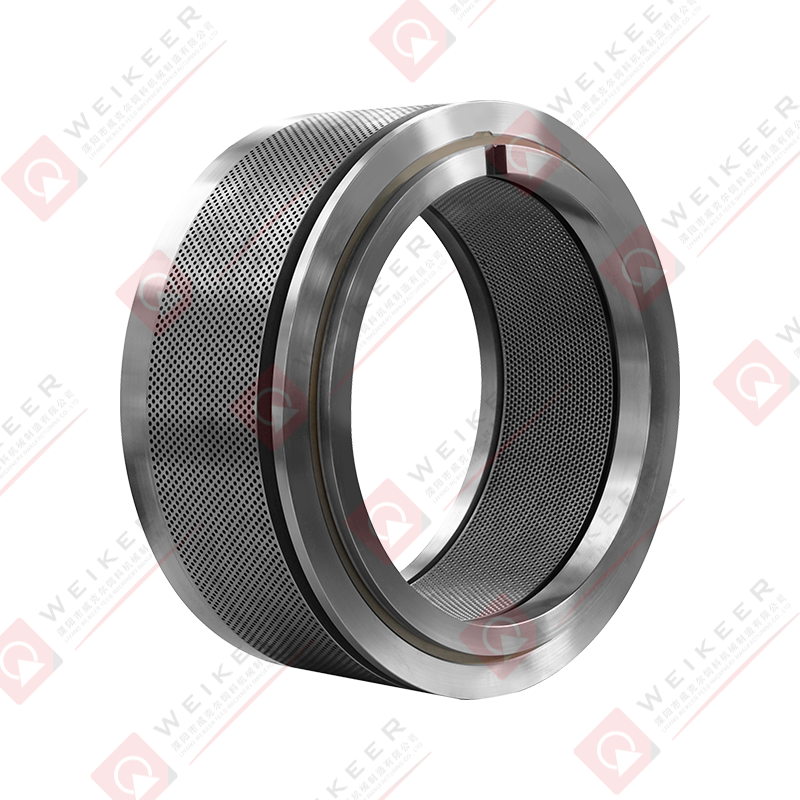
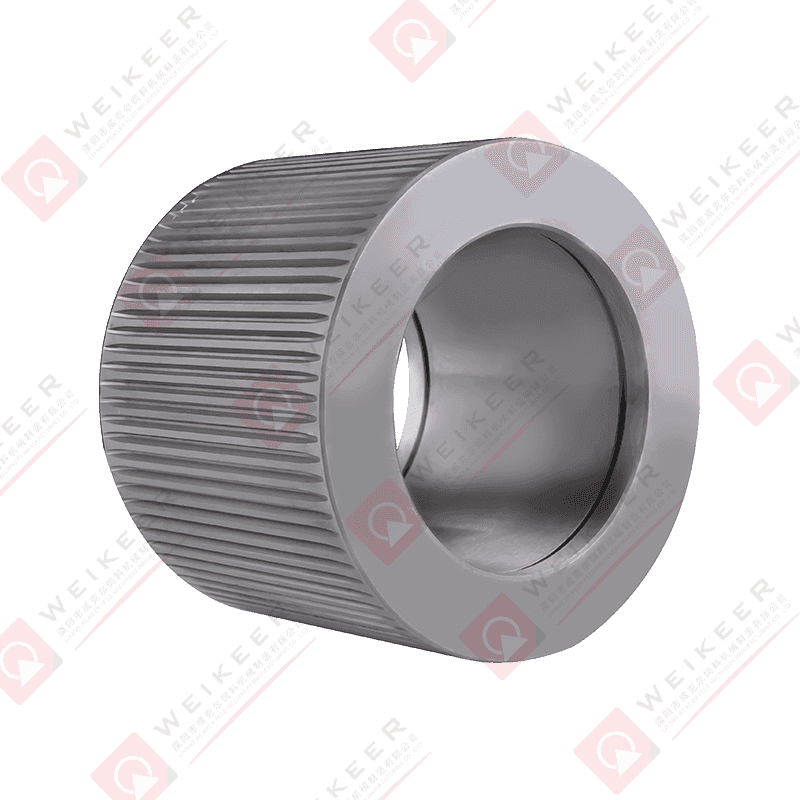
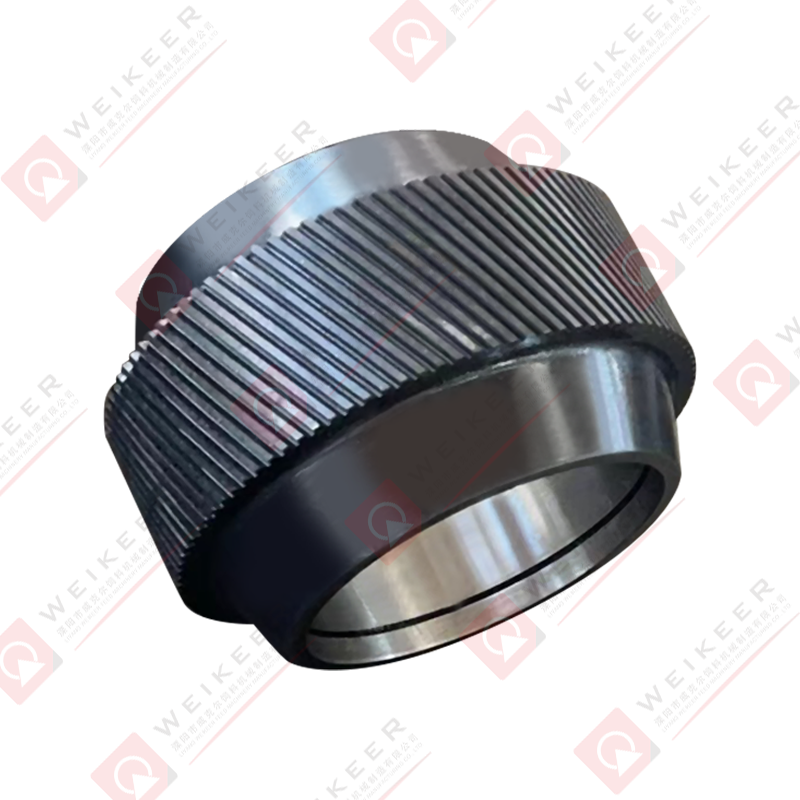
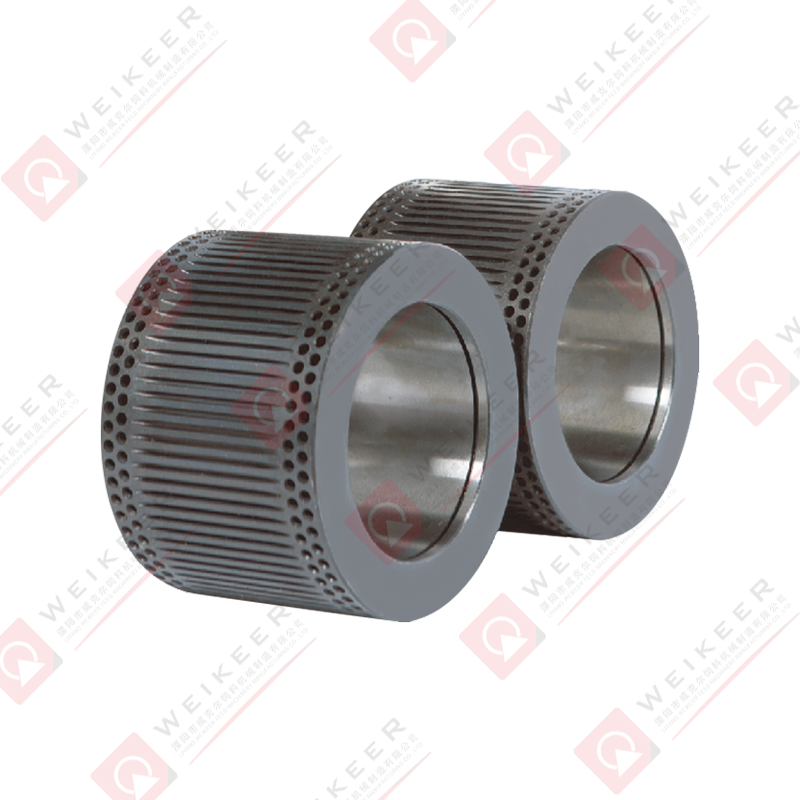
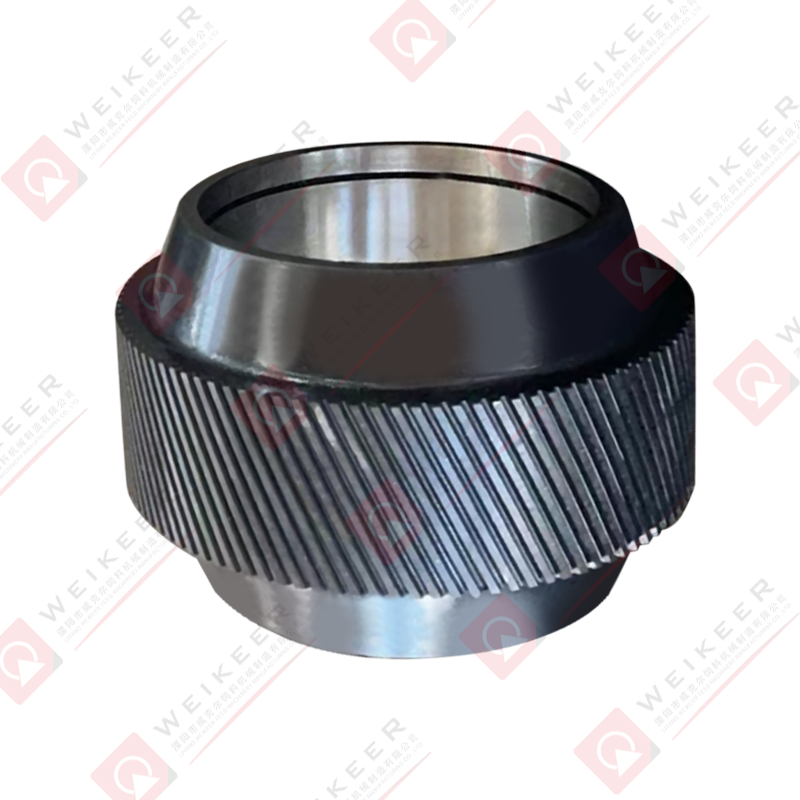
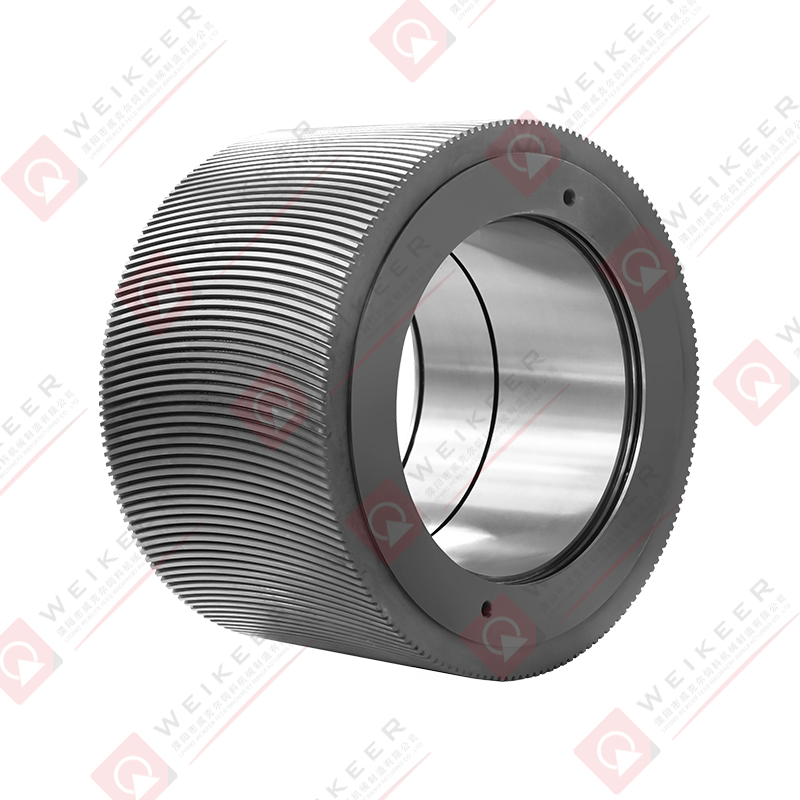
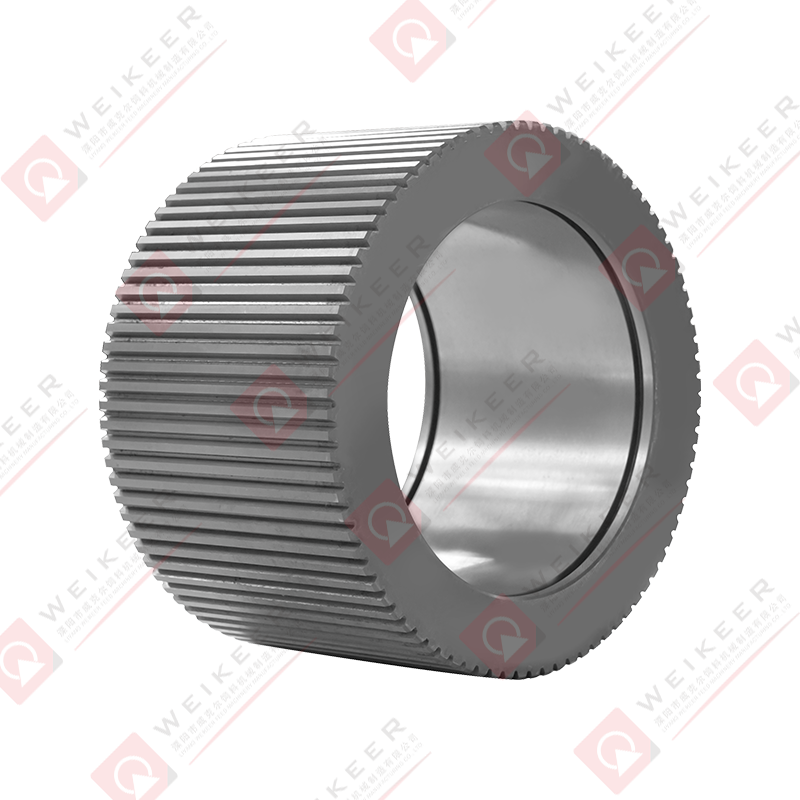
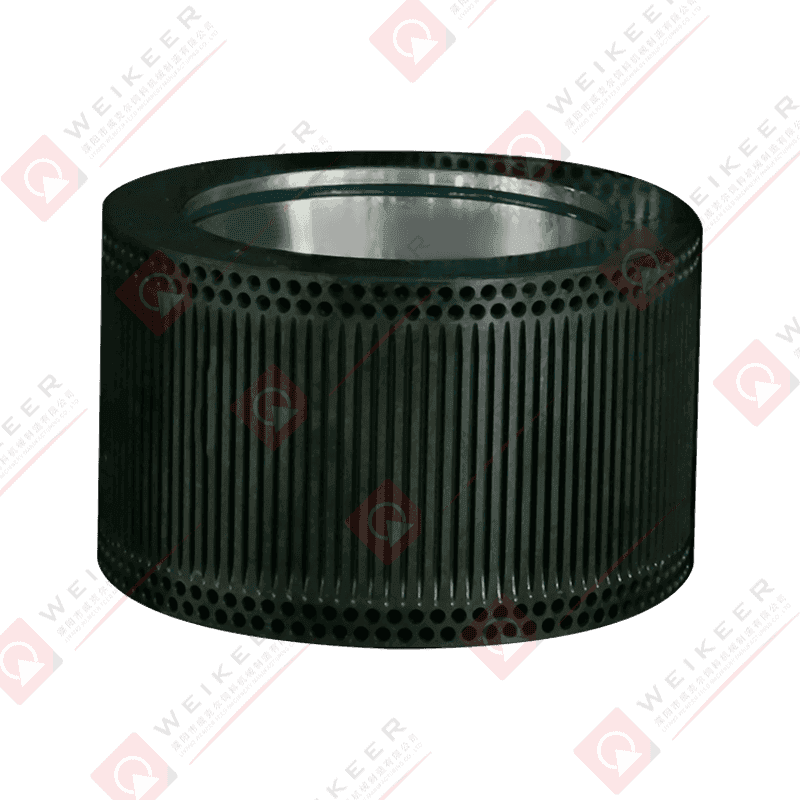
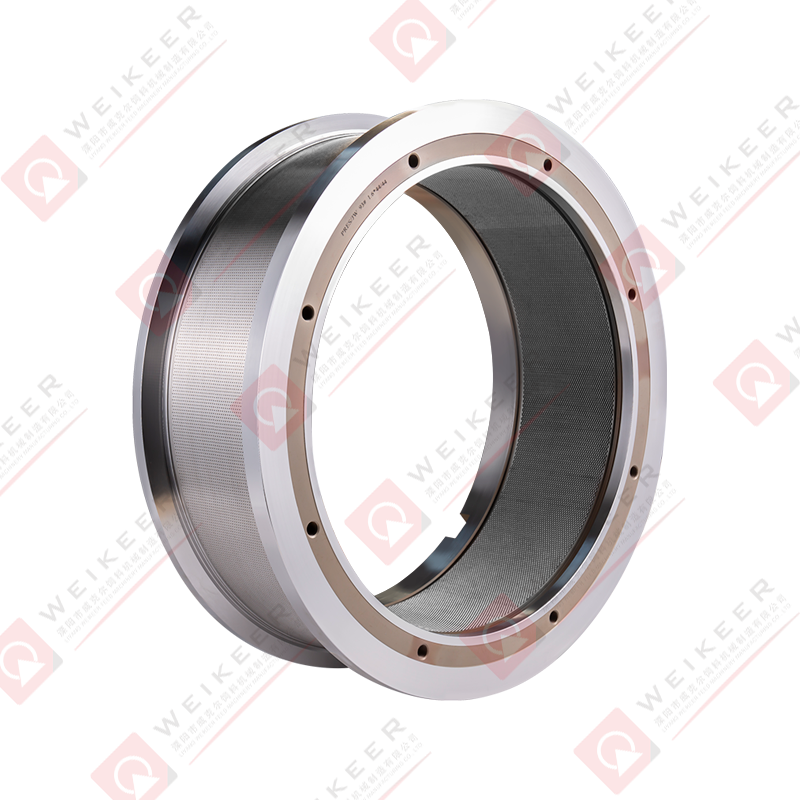
The ring die is the core forming component of a pellet mill, responsible for compressing loose material such as animal feed, wood fiber, or biomass into dense, uniform pellets. A stainless steel ring die is a cylindrical, perforated component with hundreds of precisely machined holes through which conditioned material is forced by rotating rollers under high pressure. As the material passes through each hole, friction and compression generate heat, which helps bind the particles together into a solid pellet that is then cut to length as it exits the die.
Stainless steel is chosen for ring die construction because it resists corrosion from moisture, organic acids, and mineral additives commonly found in feed and biomass formulations. Unlike carbon steel dies, stainless steel dies maintain dimensional accuracy and surface finish over long production runs, which directly affects pellet quality, durability, and the overall efficiency of the pelleting process. Anchor ear or flange-mounted ring die designs, which secure the die firmly to the pellet mill's rotating shaft assembly, are widely used because they distribute mechanical load evenly and reduce vibration during high-speed operation.
Key Design Features That Affect Performance
Several structural and dimensional characteristics determine how well a stainless steel ring die performs across different materials and production volumes.
Compression Ratio
The compression ratio, calculated as the effective length of the die hole divided by its diameter, determines how much pressure is applied to the material as it passes through. Higher compression ratios produce denser, harder pellets but require more power and generate more heat, while lower ratios are better suited to materials that are already dense or prone to overheating.
Hole Pattern and Density
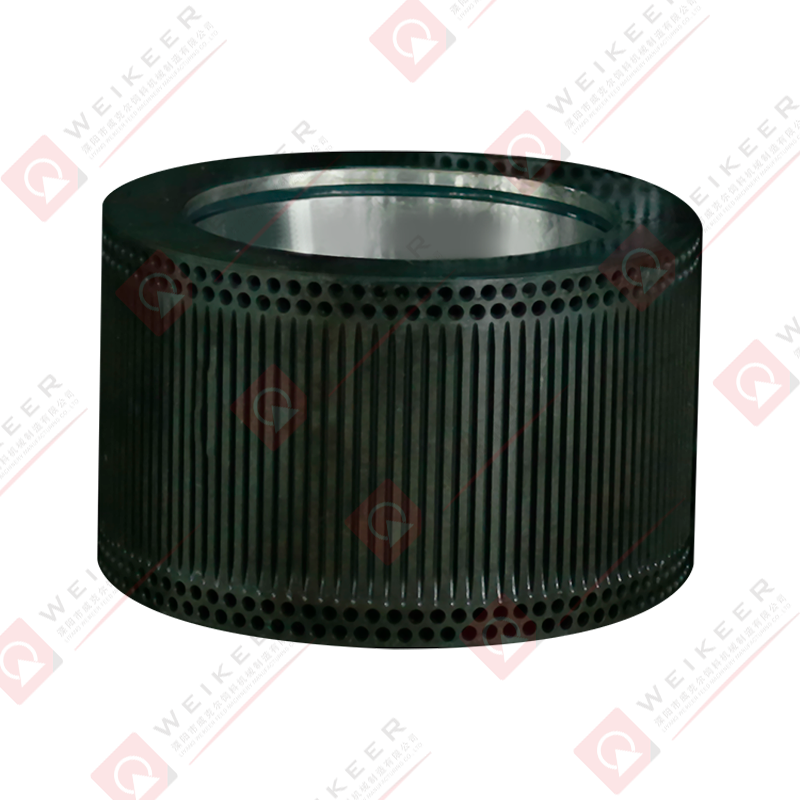
The number, spacing, and arrangement of holes on the die surface directly affect production throughput. A higher hole density increases output capacity but requires careful engineering to maintain structural strength across the die body, particularly around the anchor ear mounting points where mechanical stress concentrates during operation.
Anchor Ear Mounting System
The anchor ear, sometimes called a flange or mounting lug, is the structural feature that attaches the ring die to the pellet mill's drive assembly. A well-engineered anchor ear design ensures secure, balanced mounting, minimizing runout and vibration that can otherwise accelerate wear on both the die and the rollers.
Common Stainless Steel Grades Used in Ring Die Manufacturing
Manufacturers select stainless steel grades based on the abrasiveness of the material being pelletized and the required service life of the die. The table below outlines commonly used grades and their typical applications.
| Grade |
Key Characteristics |
Typical Application |
| 420 Stainless Steel |
High hardness after heat treatment, good wear resistance |
Standard feed pelleting, general biomass |
| 4Cr13 |
Balanced hardness and toughness, corrosion resistant |
Livestock and poultry feed |
| 9Cr18MoV |
Higher chromium content, superior wear and corrosion resistance |
Aquatic feed, high-moisture formulations |
Applications Across Feed and Biomass Production
Stainless steel ring dies are used across a wide range of pelletizing operations, each with distinct material characteristics and production demands.
- Livestock and poultry feed production, where consistent pellet hardness and durability affect animal digestion and feed conversion.
- Aquatic feed manufacturing, which often requires higher moisture tolerance and corrosion resistance due to specialized formulations.
- Wood pellet production for biomass fuel, where die durability under abrasive fiber materials is critical to production economics.
- Organic fertilizer pelletizing, where corrosive additives make stainless steel a more durable choice than standard carbon steel dies.
Maintenance Practices That Extend Ring Die Life
Proper maintenance significantly extends the service life of a stainless steel ring die and helps maintain consistent pellet quality over time.
- Inspect die holes regularly for signs of wear, tapering, or blockage that can reduce pellet uniformity and throughput.
- Clean the die thoroughly after each production run to prevent residue buildup and material hardening inside the holes.
- Check the anchor ear mounting points for looseness or fatigue cracking, since a compromised mount can cause dangerous vibration during operation.
- Store unused dies in a dry environment with a light protective oil coating to prevent surface corrosion between production cycles.
- Rotate roller and die pairings according to manufacturer recommendations to promote even wear across the die surface.
How to Select the Right Ring Die for Your Pellet Mill
Choosing the correct stainless steel ring die involves matching several specifications to the raw material and production goals of the facility. Buyers should confirm the die's compatibility with their specific pellet mill model, including outer diameter, width, and anchor ear mounting configuration, since these vary between manufacturers and are not always interchangeable. The compression ratio should be selected based on the moisture content and fiber structure of the raw material, with denser or more fibrous materials generally requiring a higher ratio to achieve adequate pellet durability. It is also important to confirm the hole diameter matches the target pellet size required for the end application, whether that is livestock feed, aquatic feed, or biomass fuel.
Working with a Qualified Ring Die Supplier
Sourcing ring dies from a manufacturer with proven quality control processes helps ensure consistent hardness, precise hole tolerances, and reliable anchor ear construction. Requesting hardness test reports and dimensional inspection certificates provides assurance that the die meets stated specifications before it is installed in production equipment. For facilities operating multiple pellet mill models, working with a supplier capable of producing custom anchor ear configurations can simplify inventory management and reduce the risk of compatibility issues during die replacement. Reviewing a supplier's track record with similar materials and production volumes is a practical way to confirm that their stainless steel ring dies will deliver the expected service life and pellet quality.



 русский
 Español
 عربى
عربى 中文简体
中文简体