What a Stainless Steel Ring Die Does in a Pellet Mill
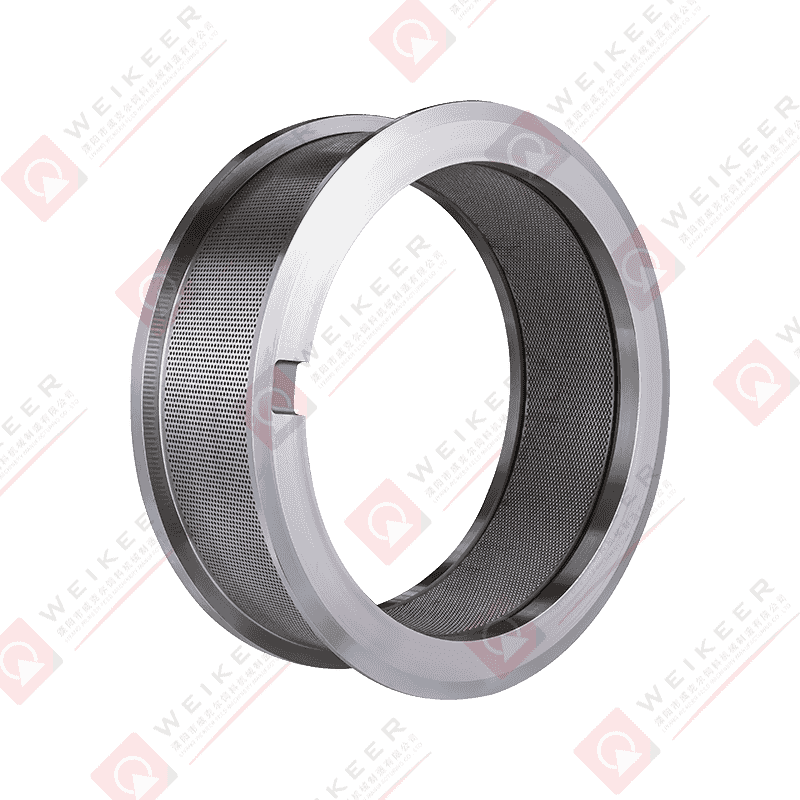
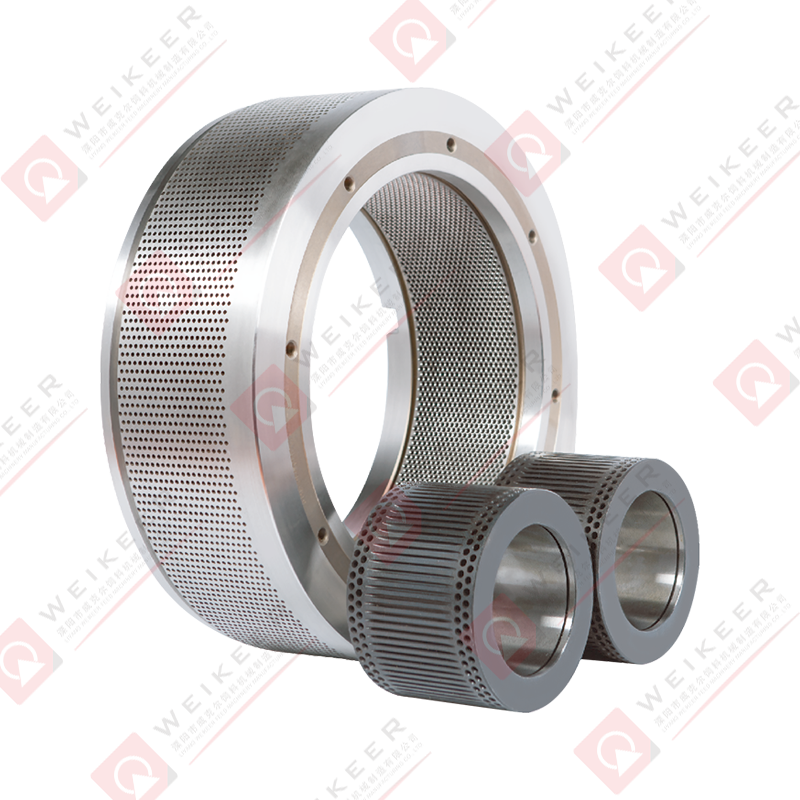
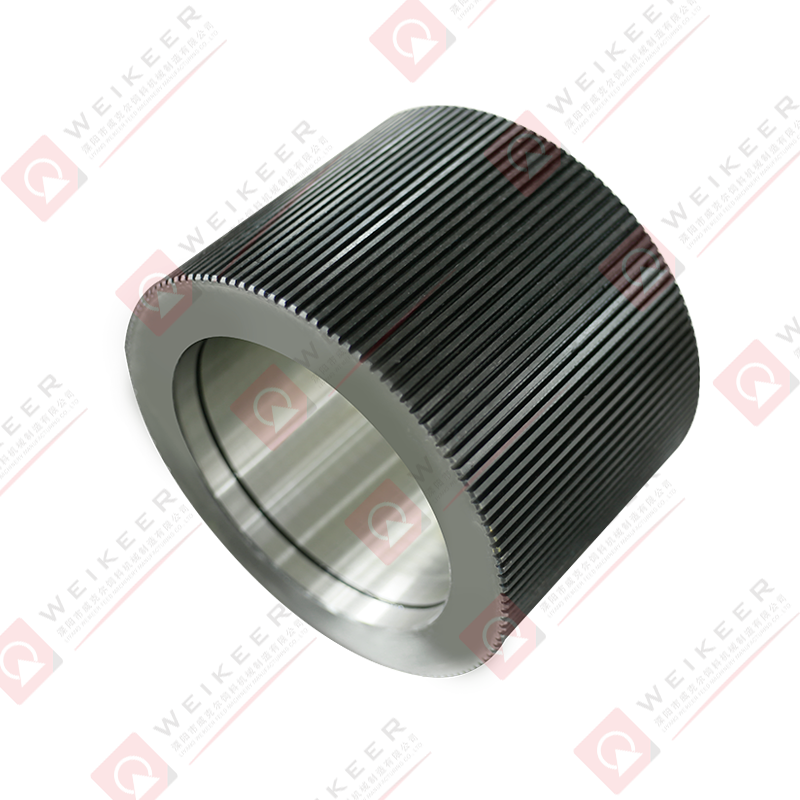
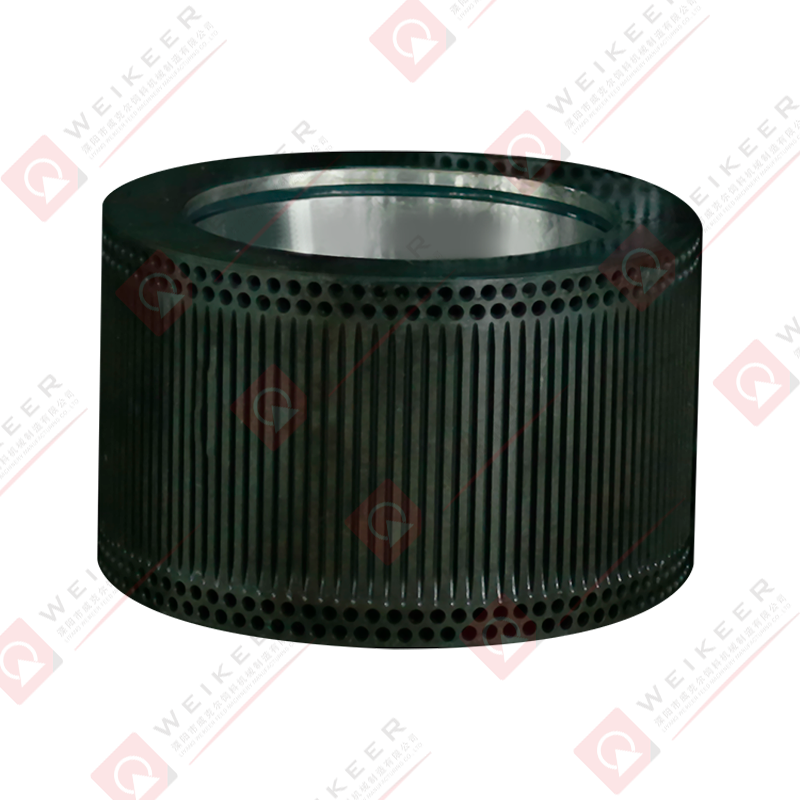
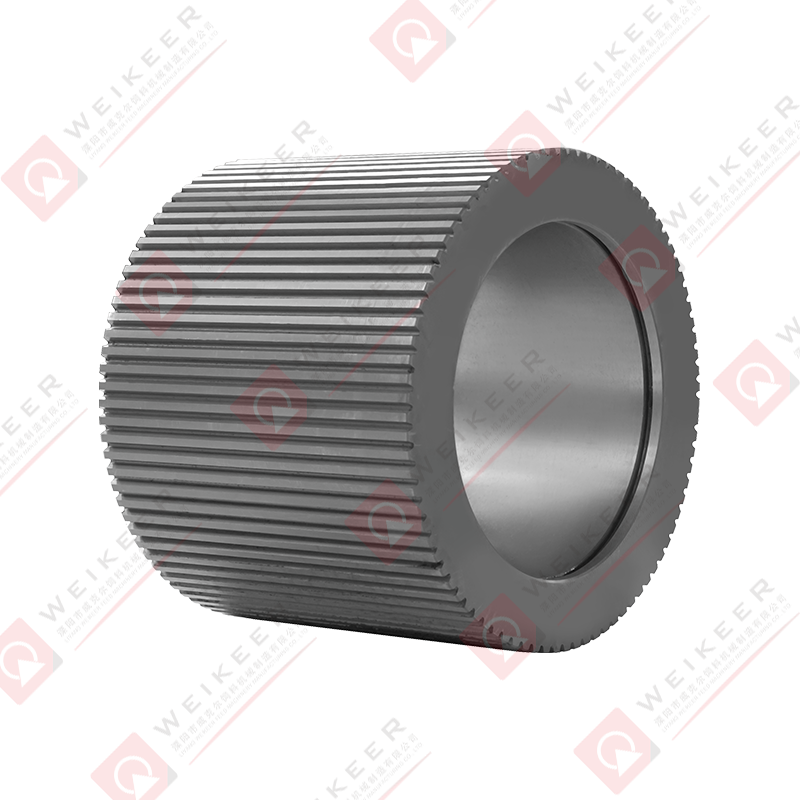
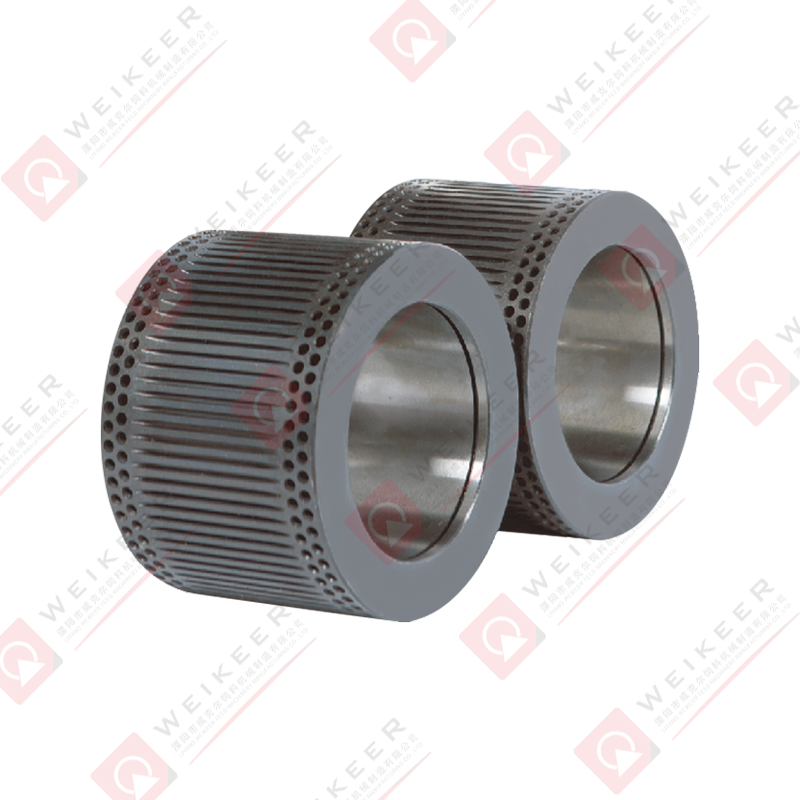
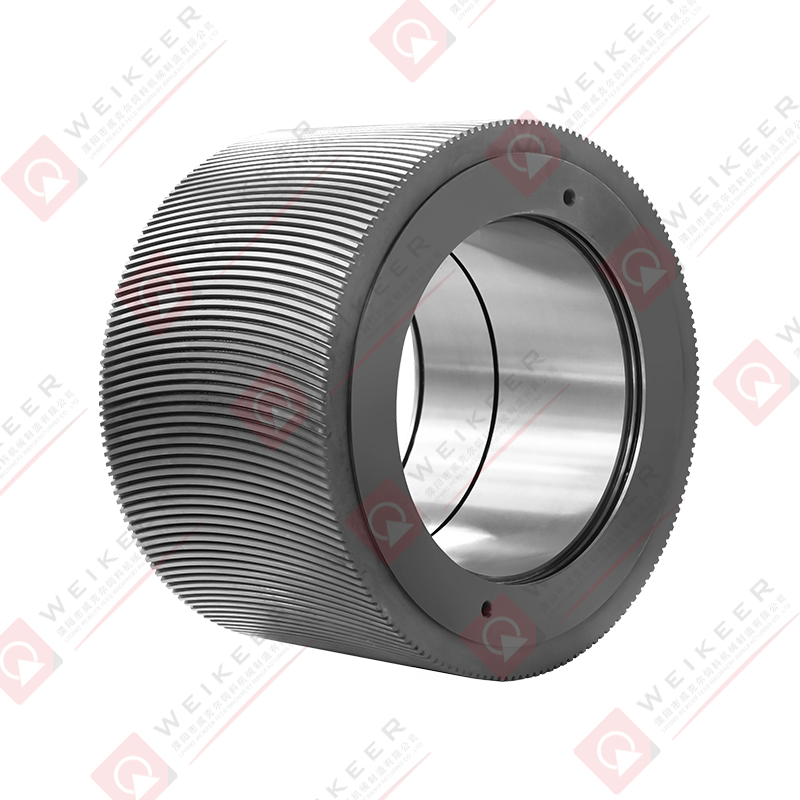
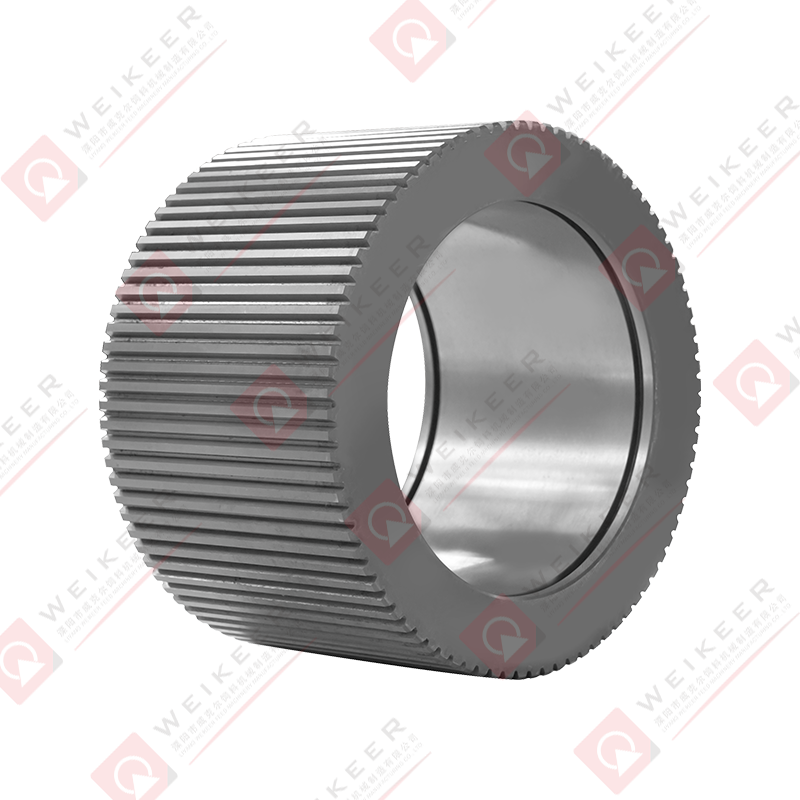
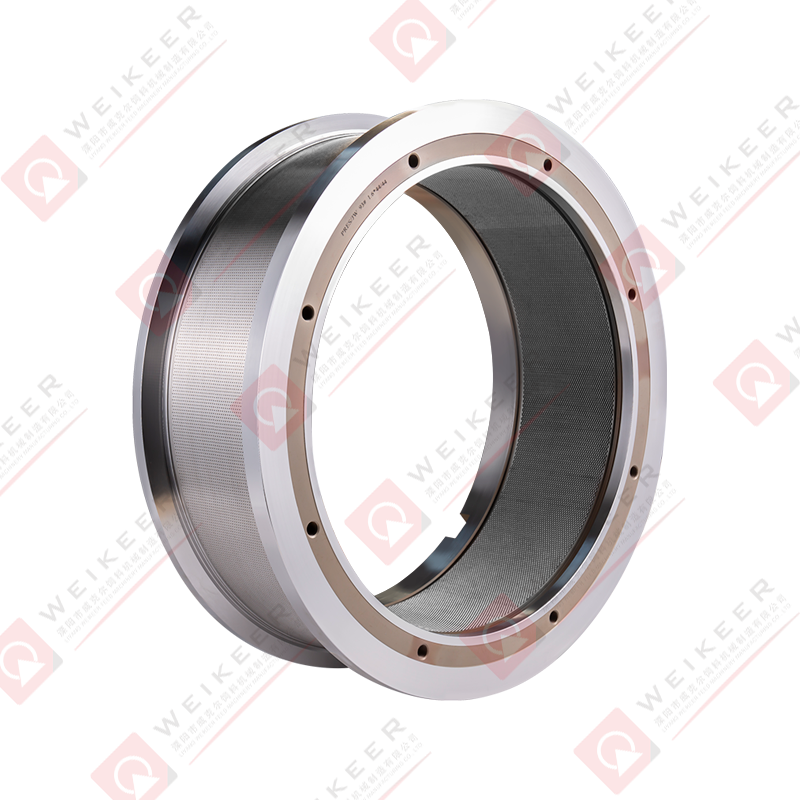
A stainless steel ring die is the core forming component inside a pellet mill, responsible for compressing raw material through a series of precisely drilled holes to shape it into uniform pellets. As the mill's rollers press feed material against the inner surface of the rotating ring die, friction and pressure force the material through each hole, where it emerges as a continuous strand later cut to length by an external knife assembly.
Stainless steel construction offers advantages over standard alloy steel dies, particularly in applications involving corrosive materials, high moisture content feedstock, or products requiring strict hygiene standards, such as aquafeed or specialty animal feed production. The added corrosion resistance extends die life in these demanding conditions while maintaining the structural strength needed to withstand continuous compression forces.
Key Design Elements That Affect Performance
Several design factors determine how well a ring die performs across different production scenarios, and understanding these elements helps operators select or specify the right die for their specific feed formulation and pellet size requirements.
Compression Ratio
Compression ratio, calculated as the working length of each hole divided by its diameter, directly influences pellet density and hardness. Higher compression ratios produce denser, more durable pellets but require greater energy input and generate more friction-related heat during operation.
Hole Pattern and Density
The number and arrangement of holes across the die surface affects overall production capacity. Denser hole patterns increase throughput but require careful engineering to maintain structural integrity across the die body under continuous compression loading.
Relief Angle and Counterbore Design
The relief angle at the die's inner surface and the counterbore depth affect how easily material flows into each hole before compression. Properly engineered relief geometry reduces resistance at the entry point, which in turn lowers energy consumption and reduces wear at the hole entrance over time.
Advantages of Stainless Steel Over Alternative Materials
While alloy steel ring dies remain common for standard feed pellet production, stainless steel offers specific benefits that justify its typically higher cost for certain applications.
- Superior corrosion resistance when processing high-moisture or acidic feed materials
- Reduced risk of contamination in food-grade or pharmaceutical pellet production
- Better performance in humid or coastal facility environments prone to rust
- Longer service life when processing corrosive additives like mineral supplements
- Easier cleaning and sanitation between production runs of different formulations
Comparing Ring Die Materials for Common Applications
The table below outlines how stainless steel ring dies compare to standard alloy steel options across typical production considerations.
| Factor |
Stainless Steel Die |
Alloy Steel Die |
| Corrosion Resistance |
Excellent |
Moderate |
| Initial Cost |
Higher |
Lower |
| Best Suited For |
High-moisture, corrosive, or food-grade feed |
Standard dry feed production |
| Cleaning Ease |
High |
Moderate |
Common Applications in Pellet Production
Stainless steel ring dies appear frequently in aquafeed production, where high moisture content and specific hygiene standards make corrosion resistance particularly valuable. They also serve well in specialty animal feed lines involving mineral or vitamin premixes that can accelerate corrosion in standard alloy steel dies over repeated production cycles.
Beyond animal feed, some biomass pellet producers select stainless steel dies when processing materials with higher moisture or chemical content than typical wood pellet feedstock, extending die life in operations that might otherwise see accelerated wear from corrosive byproducts.
Maintenance Practices That Extend Die Life
Regular maintenance significantly affects how long a ring die remains productive before requiring replacement or reboring. Establishing consistent inspection and cleaning routines helps operators catch early signs of wear before they affect pellet quality or production efficiency.
Routine Inspection
Operators should regularly check hole diameter for signs of enlargement due to abrasive wear, since expanded holes reduce compression ratio and can lead to softer, less durable pellets over time. Visible scoring or pitting on the inner surface also signals the need for closer monitoring.
Proper Storage Between Uses
When a ring die is removed for cleaning or storage between production runs, applying a light protective oil coating and storing it in a dry environment helps prevent surface corrosion, even on stainless steel dies exposed to residual moisture from feed material.
Selecting the Right Ring Die for Your Operation
Choosing a stainless steel ring die involves matching compression ratio, hole pattern, and material grade to the specific feedstock and pellet specifications required by your production line. Facilities processing corrosive, high-moisture, or food-grade materials generally see the strongest return on the added investment in stainless steel construction.
Working with an experienced die manufacturer to review formulation details, expected throughput, and target pellet density helps ensure the selected die delivers consistent performance and a service life that justifies its cost over standard alternatives.



 русский
 Español
 عربى
عربى 中文简体
中文简体