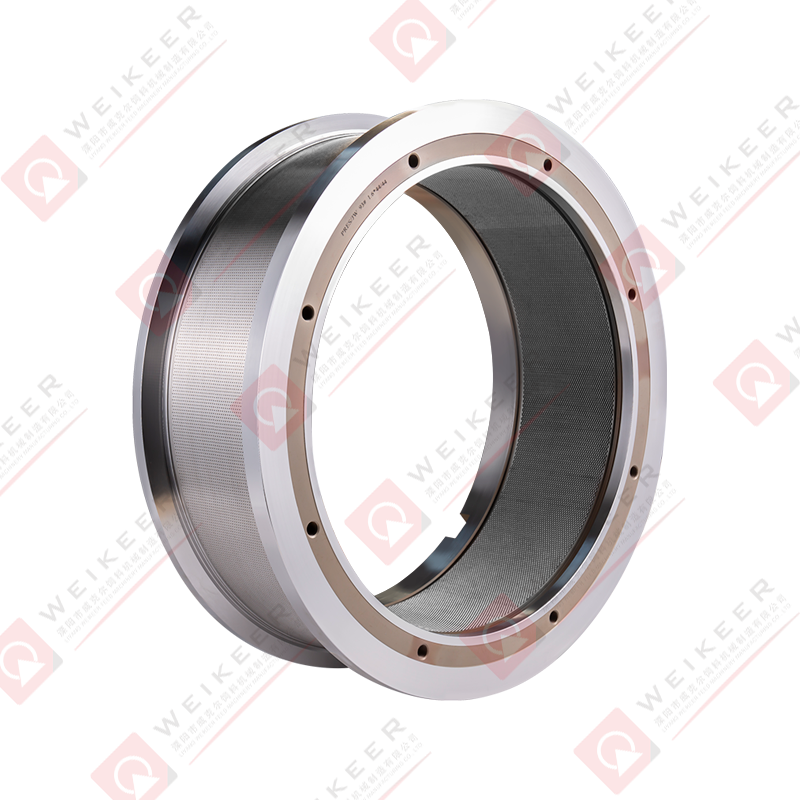
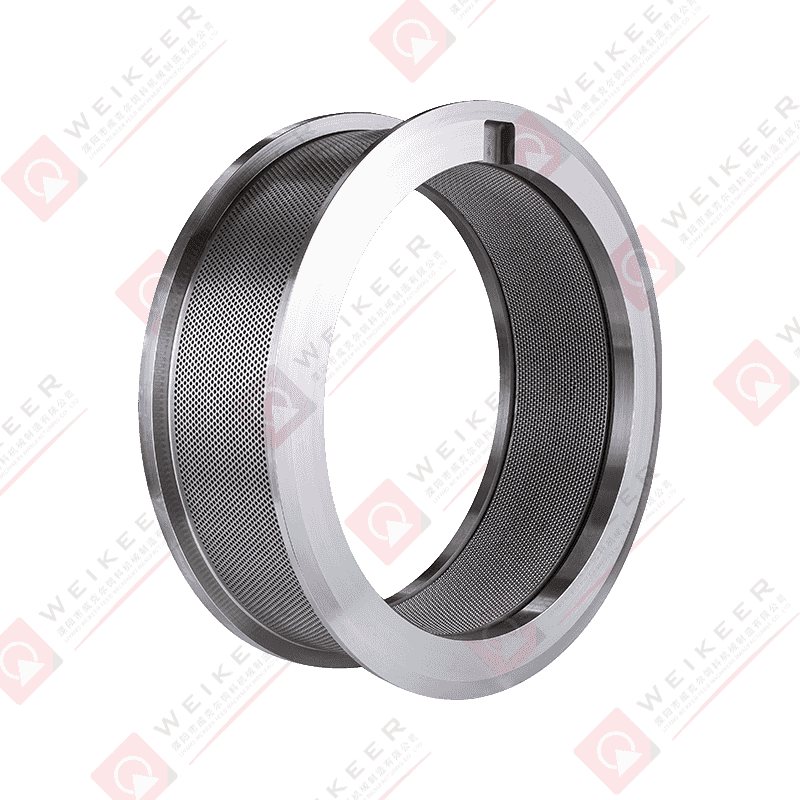
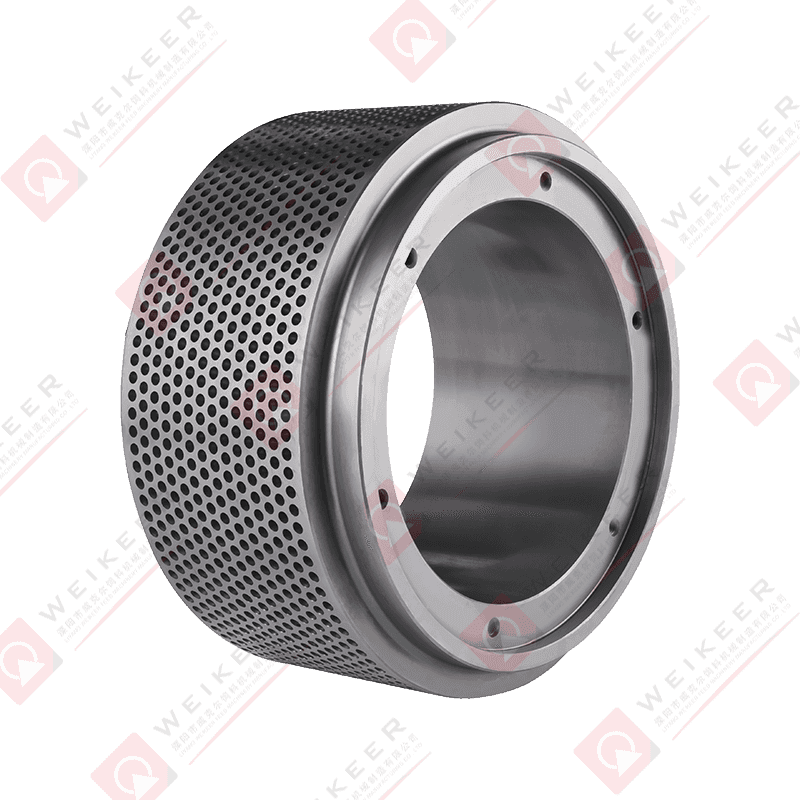
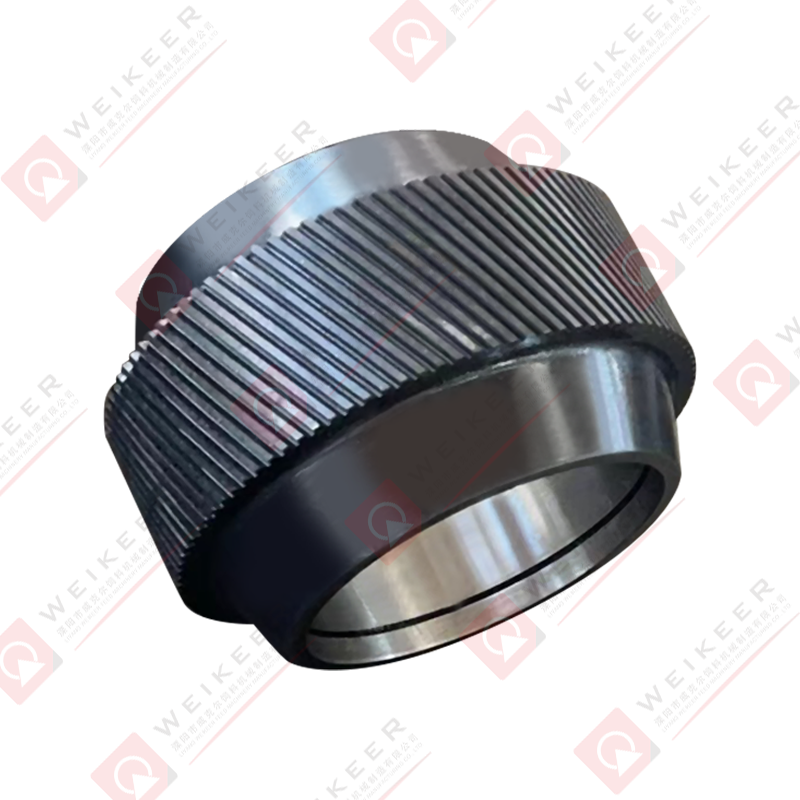
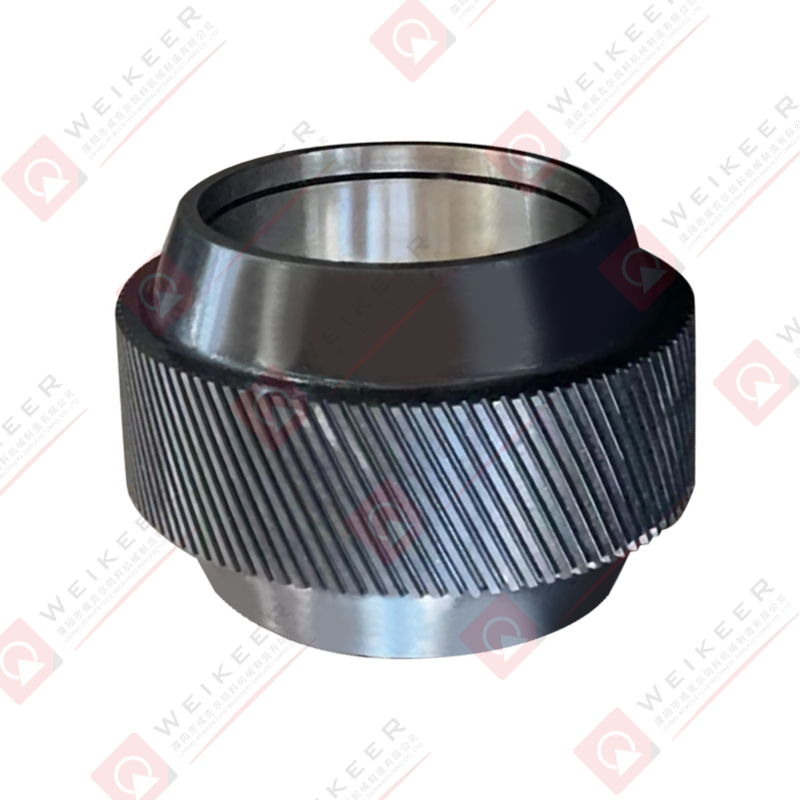
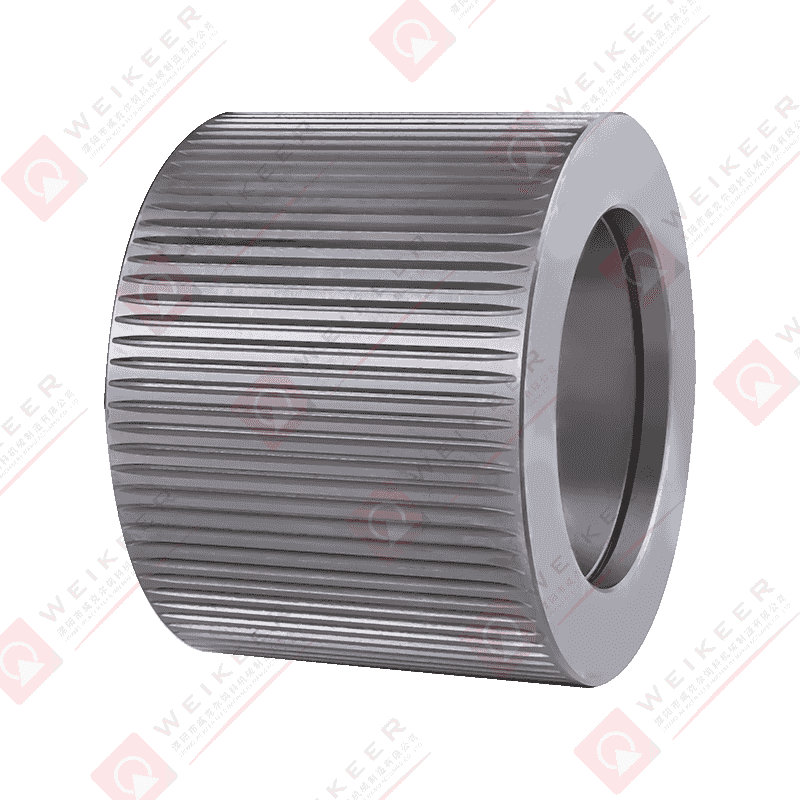
What a Stainless Steel Ring Die Does in a Pellet Mill
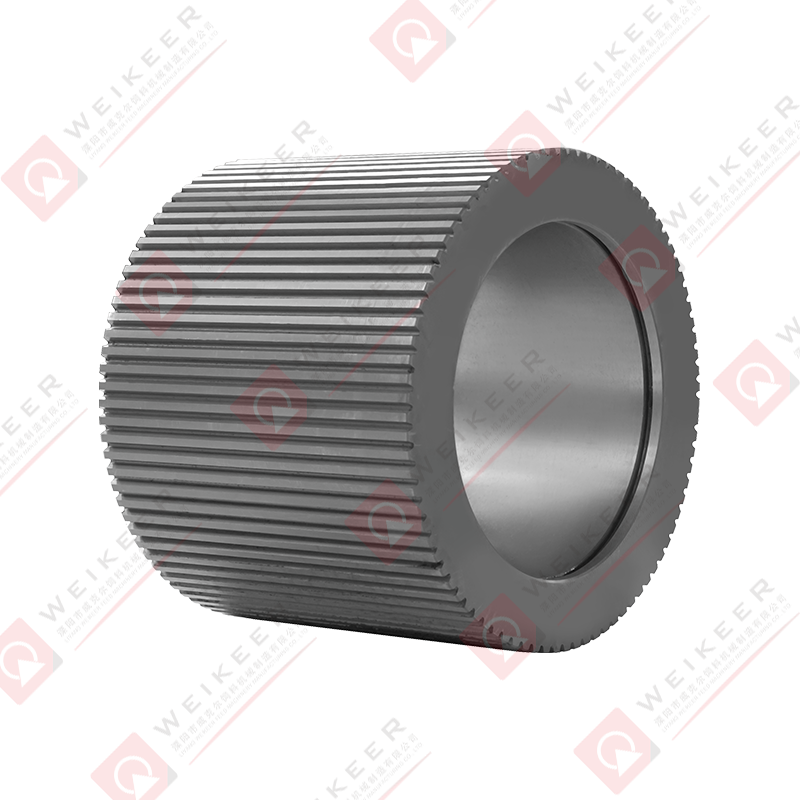
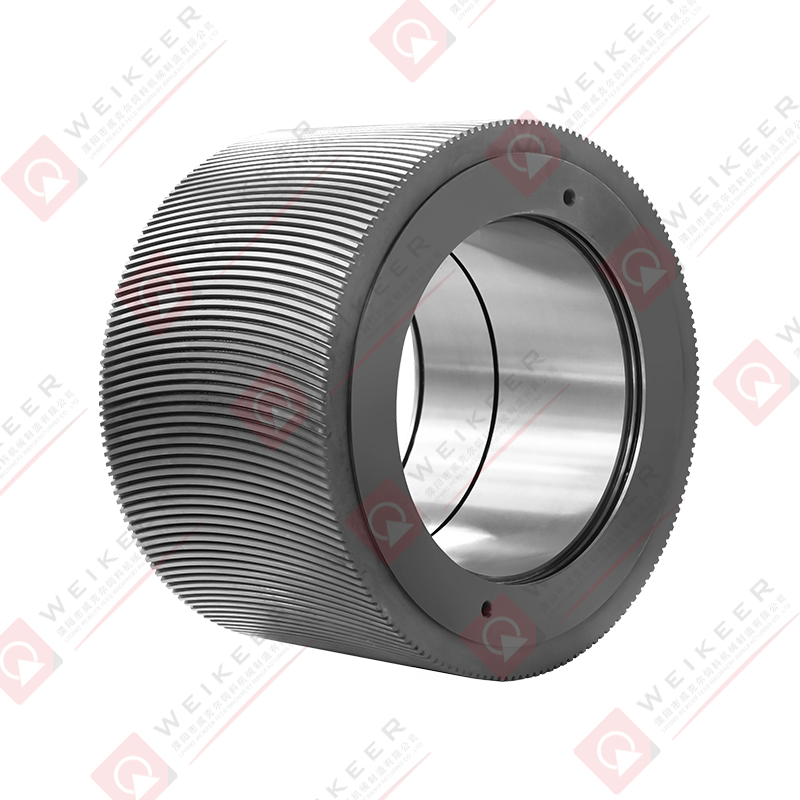
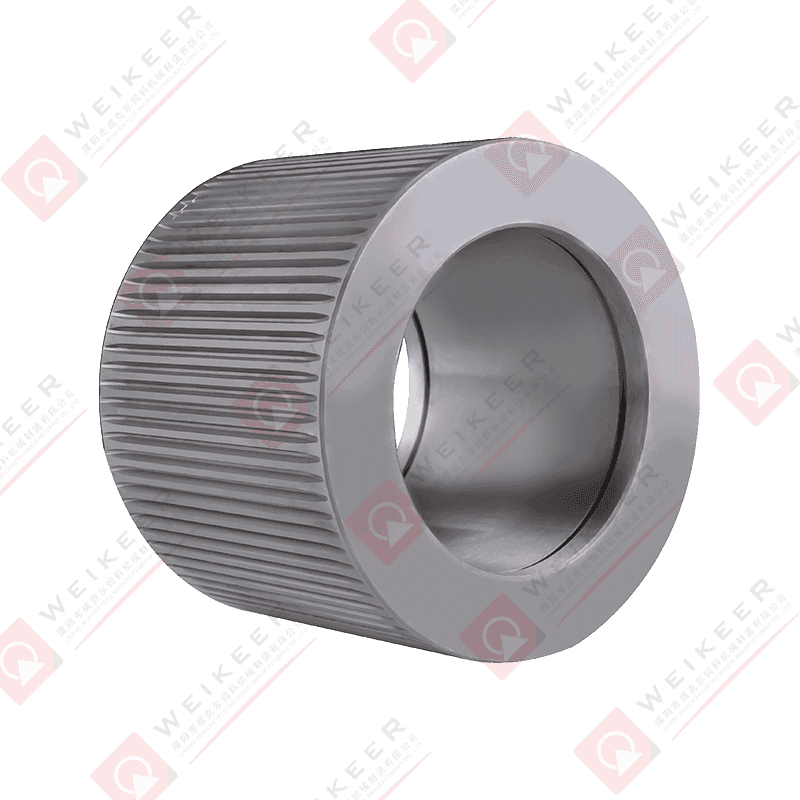
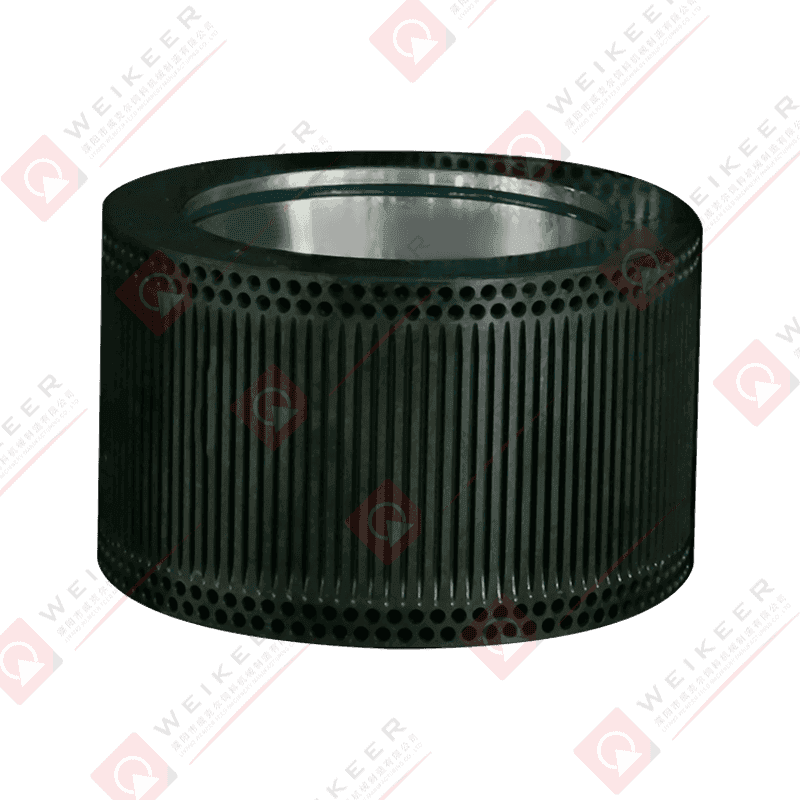
The ring die is the component inside a pellet mill responsible for shaping raw material into finished pellets. As material is fed into the pellet chamber, rollers press it against the inner surface of the ring die, forcing it through a series of precision-drilled holes. The friction and pressure generated during this process heat the material slightly, softening natural binders and allowing it to compress into dense, uniform pellets as it exits the die. Because the ring die experiences constant abrasion, pressure, and heat cycling, the material it is made from directly affects pellet quality, production speed, and how often the die needs to be replaced.
Stainless steel ring dies are manufactured for operations that demand higher corrosion resistance and longer service life than standard alloy steel dies can offer. They are particularly suited to producing pellets from materials with higher moisture content, higher salt content, or corrosive additives, where standard carbon steel dies would degrade more quickly.
Key Benefits of Stainless Steel Ring Dies
Operators who switch to stainless steel ring dies typically notice improvements in several areas of daily production. The commonly cited advantages include the following.
- Superior corrosion resistance, which prevents rust and pitting when processing feed formulas containing salt, minerals, or high moisture levels.
- Consistent hole geometry over a longer operating period, since stainless steel resists the gradual wear that can distort hole diameter and reduce pellet uniformity.
- Reduced contamination risk in food, feed, and pharmaceutical applications where iron flaking or oxidation from standard steel dies could affect product purity.
- Better performance in humid or coastal environments where storage and ambient conditions accelerate corrosion of standard alloy components.
- Lower long-term replacement frequency in corrosive processing conditions, which can offset the higher upfront material cost over multiple production cycles.
Common Applications for Stainless Steel Ring Dies
Stainless steel ring dies are used across a range of industries where pellet quality and equipment longevity are critical. In animal feed production, they are often chosen for formulas with high salt, mineral premix, or fish meal content, all of which accelerate corrosion in standard steel. In wood pellet manufacturing, stainless dies help when processing recycled wood or biomass with variable moisture and chemical residue. Aquafeed producers frequently rely on stainless steel dies because aquatic feed formulas often include higher fat and moisture content combined with corrosive additives. Specialty applications, including organic fertilizer pelletizing and certain pharmaceutical or nutraceutical pellet production, also benefit from the reduced contamination risk that stainless steel provides.
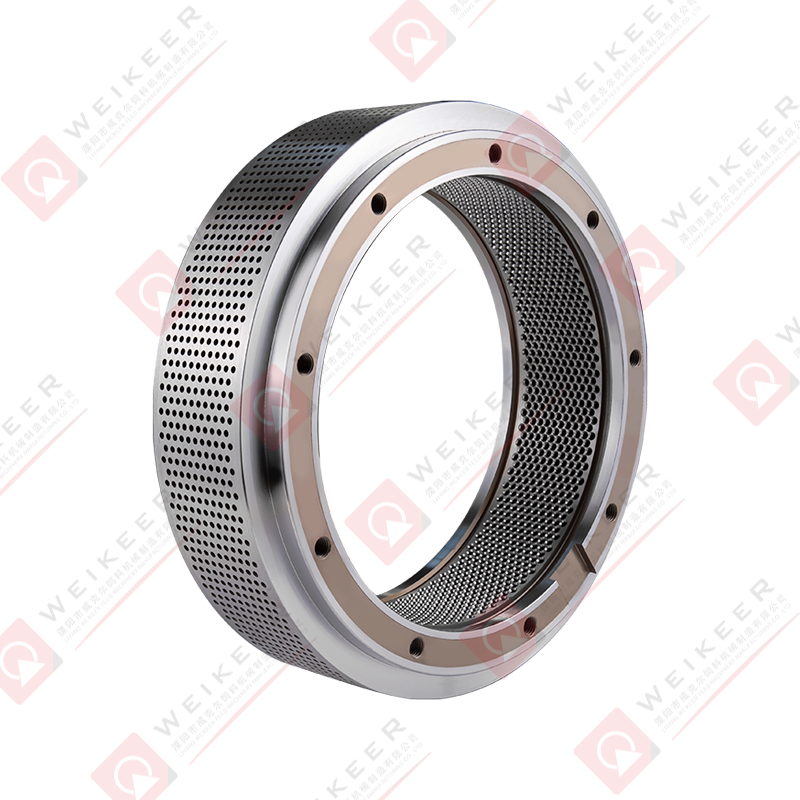
Comparing Stainless Steel Dies to Alloy Steel Dies
Choosing between stainless steel and traditional alloy steel ring dies depends on the material being pelletized, the operating environment, and production volume goals. The comparison below highlights the main differences operators should consider.
| Factor |
Stainless Steel Die |
Alloy Steel Die |
| Corrosion Resistance |
High |
Moderate to Low |
| Initial Cost |
Higher |
Lower |
| Best Use Case |
High-moisture or corrosive formulas |
Standard dry feed or wood pellets |
| Service Life in Harsh Conditions |
Longer |
Shorter |
How to Choose the Right Ring Die for Your Operation
Selecting the correct ring die involves more than picking a material type. Several specifications must align with both the raw material and the pellet mill itself.
Compression Ratio
The compression ratio, calculated from the relationship between hole diameter and effective working length, determines how much pressure is applied to the material as it passes through the die. Materials with higher fiber content typically require a higher compression ratio to form a stable pellet, while finer, drier materials may need a lower ratio to avoid excessive heat buildup or die clogging.
Hole Diameter and Pellet Size
Hole diameter directly determines the final pellet diameter, so it should be selected based on the intended end use, whether that is livestock feed, fish feed, or wood pellets for residential heating. Matching hole diameter to industry standards also helps ensure compatibility with downstream packaging and handling equipment.
Maintenance Practices That Extend Ring Die Life
Even with corrosion-resistant materials, proper maintenance remains essential to the lifespan of any ring die. The following practices help operators get the value from their investment.
- Clean the die thoroughly after each production run to remove residual material that can harden and clog holes during the next startup.
- Inspect hole surfaces periodically for signs of glazing or wear that could affect pellet density and surface finish.
- Store unused dies in a dry, climate-controlled area to prevent surface oxidation, even with stainless steel construction.
- Lubricate and condition new dies before use according to manufacturer guidelines to prevent premature wear during the break-in period.
- Track production hours and pellet output to establish a replacement schedule based on actual wear data rather than estimated guesses.
Final Considerations Before Purchasing
Before investing in a stainless steel ring die, operators should evaluate their specific raw material composition, expected production volume, and the operating environment of the facility. Consulting with the die manufacturer about compression ratio recommendations and hole pattern layout for the specific pellet mill model can prevent costly trial-and-error adjustments after installation. While stainless steel dies carry a higher initial price than standard alloy options, the reduction in corrosion-related downtime and the improvement in pellet consistency often make them a sound long-term investment for operations processing corrosive or high-moisture materials on a regular basis.



 русский
 Español
 عربى
عربى 中文简体
中文简体