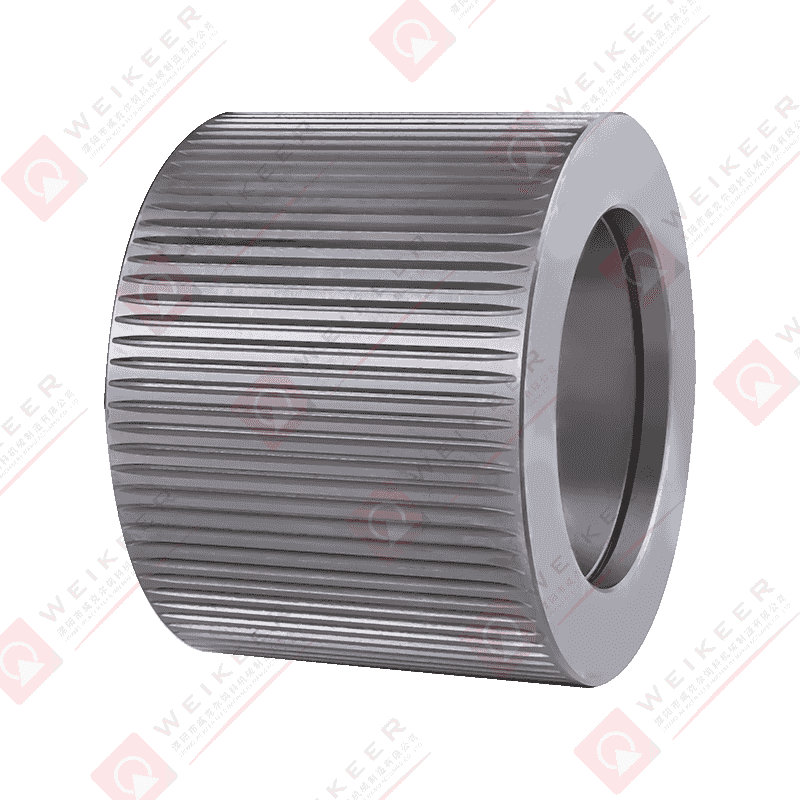
What Is a Stainless Steel Ring Die?
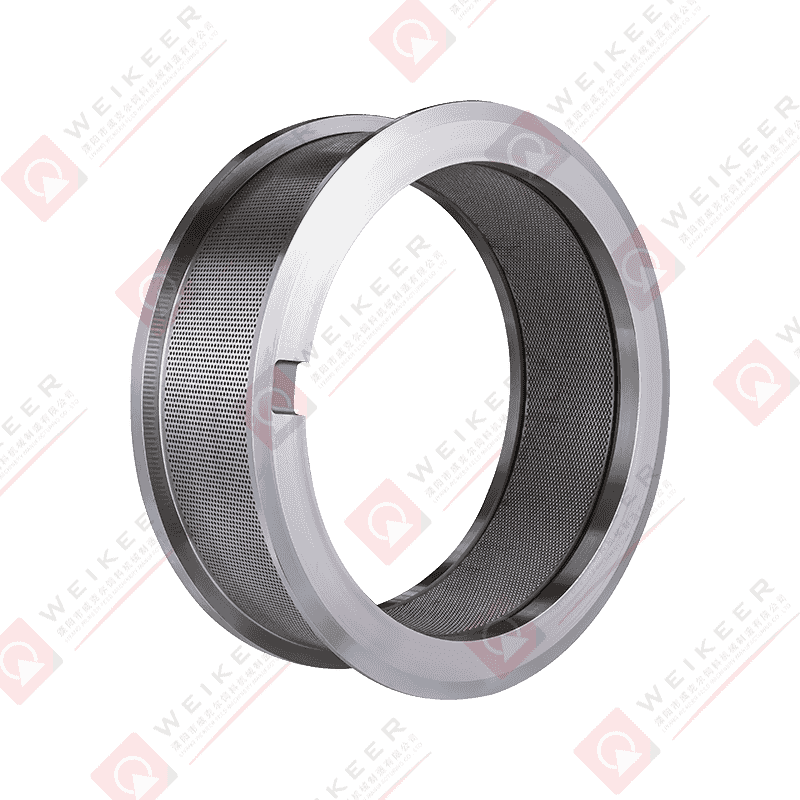
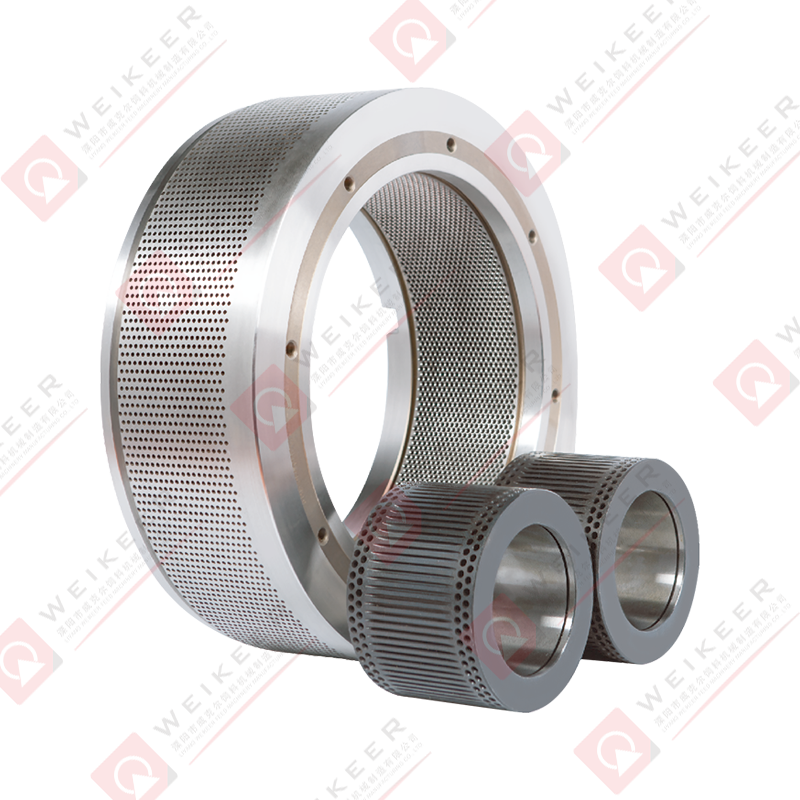
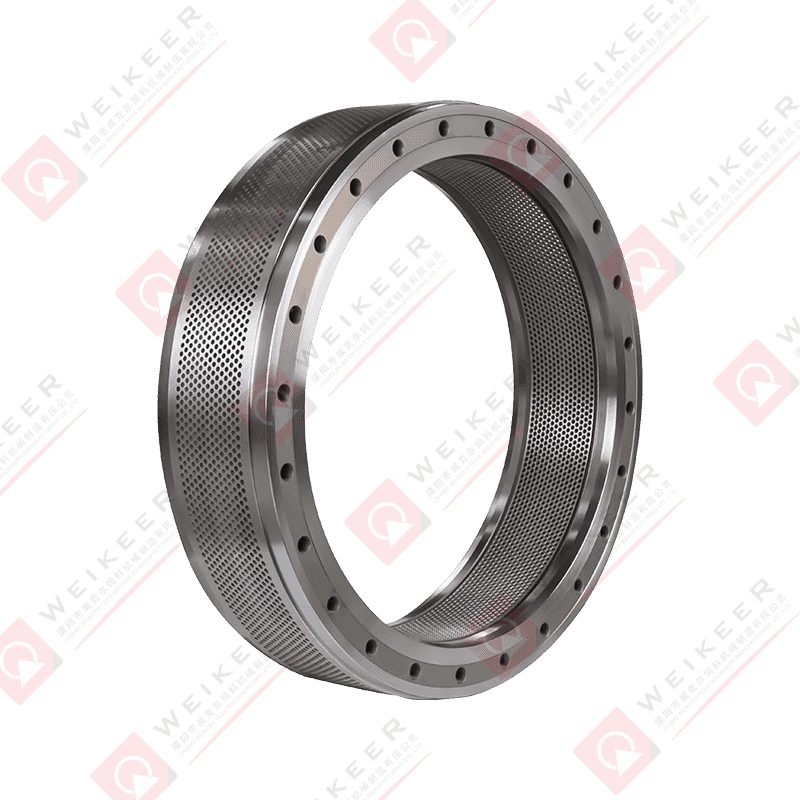
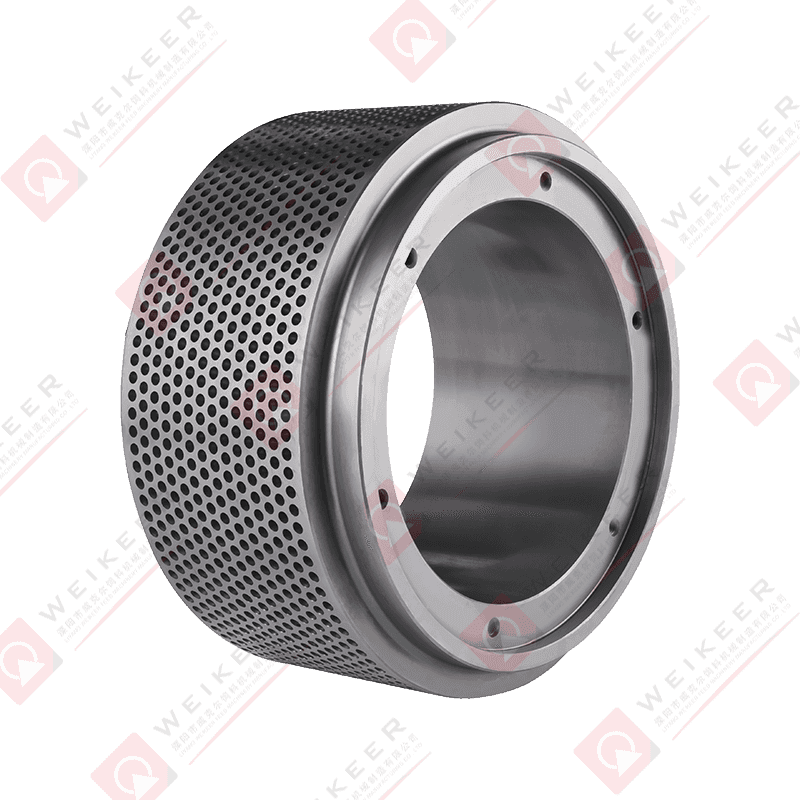
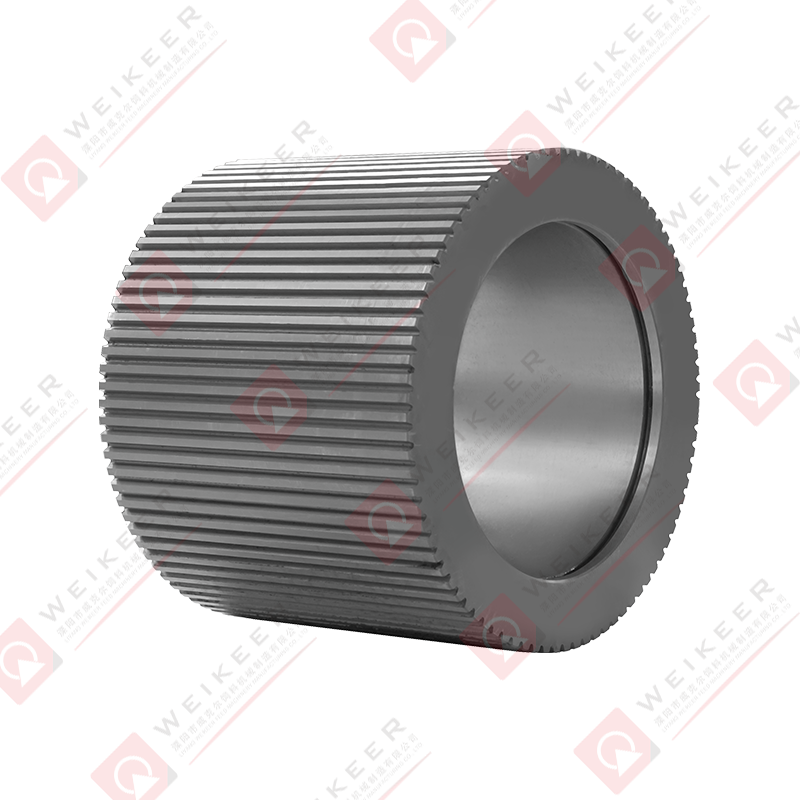
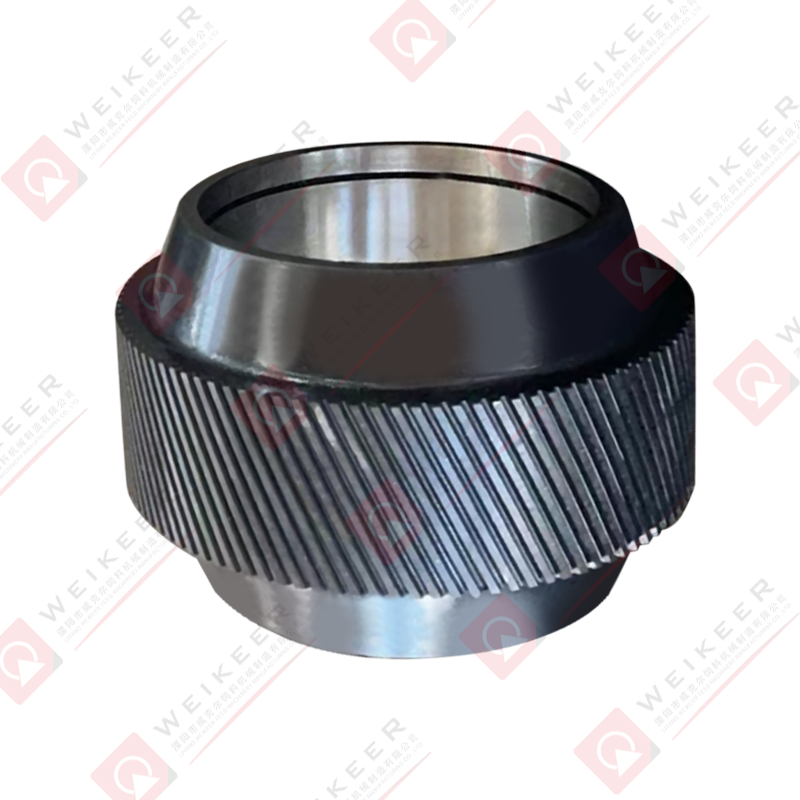
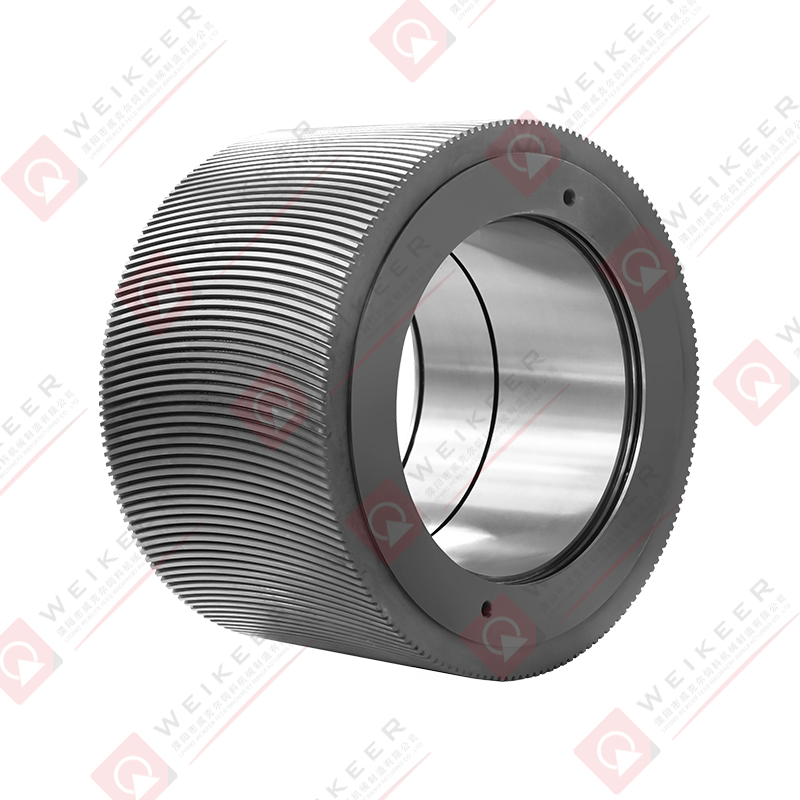
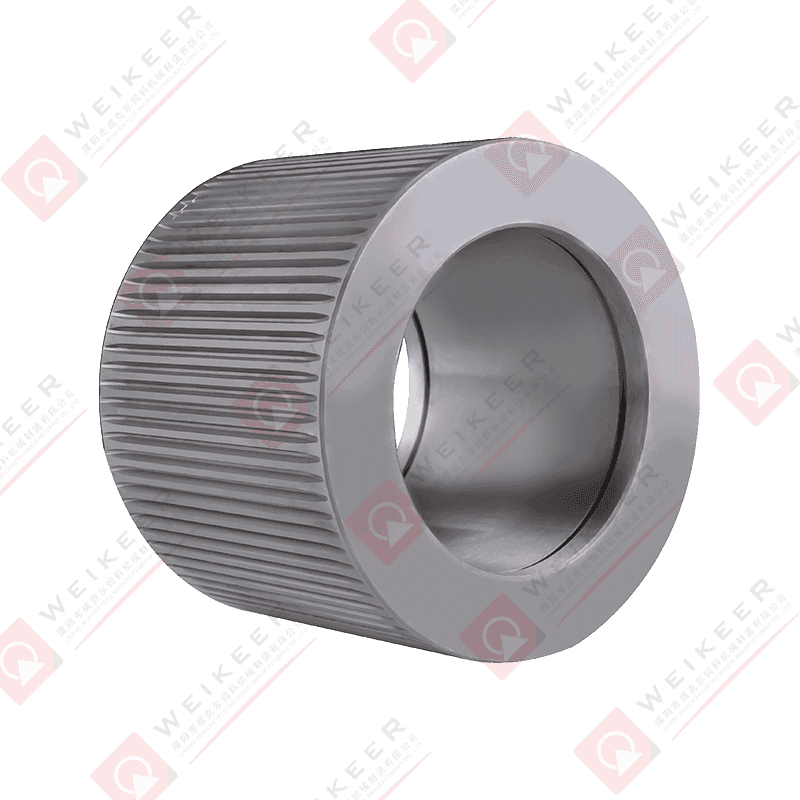
A ring die is one of the core components of a pellet mill, serving as the mold through which raw material is compressed and formed into cylindrical pellets. Shaped as a perforated ring, it rotates or remains stationary depending on the mill design while rollers press material through thousands of small holes drilled into its surface, extruding the material into dense pellets. A stainless steel ring die, such as those built by manufacturers like Anchorear, is manufactured from corrosion-resistant stainless steel alloys rather than standard alloy steel, making it particularly suited to applications where moisture, acidity, or specific material compositions would otherwise accelerate wear and corrosion.
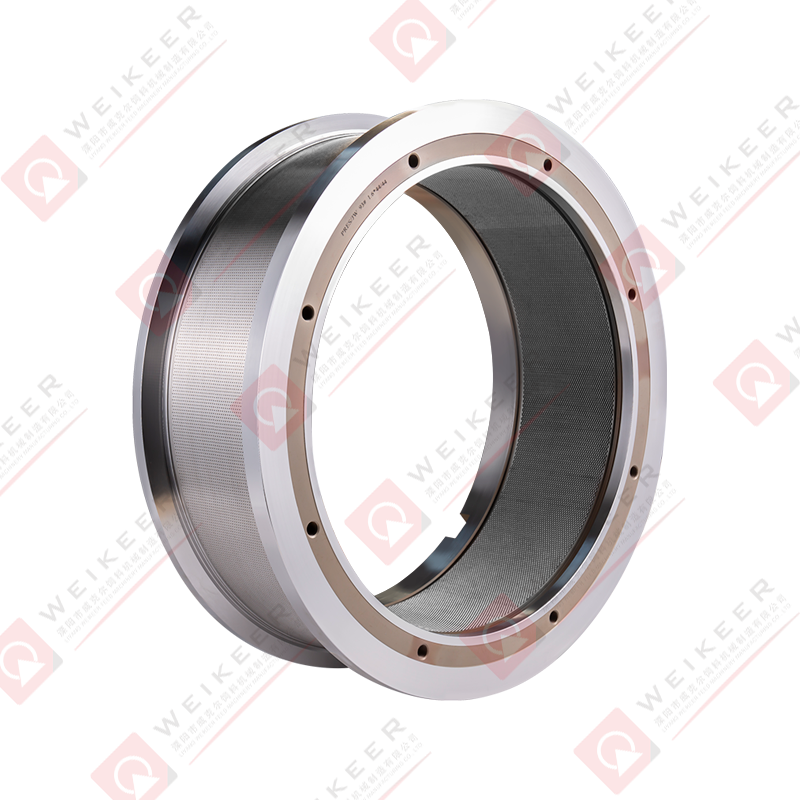
The ring die works in conjunction with press rollers inside the pellet mill chamber. As raw material, whether feed, wood fiber, or biomass, is fed into the chamber, the rollers press it against the interior surface of the die, forcing it through the die holes. A rotating cutting knife then trims the extruded material to the desired pellet length as it exits the die.
Why Stainless Steel Is Chosen Over Alloy Steel
Most standard ring dies are made from alloy steel, which offers good hardness and wear resistance for typical dry pelleting applications like standard livestock feed. However, alloy steel is vulnerable to rust and corrosion when exposed to moisture, certain acidic additives, or high-salt-content materials. Stainless steel ring dies address this limitation directly.
| Property |
Alloy Steel Ring Die |
Stainless Steel Ring Die |
| Corrosion Resistance |
Moderate to low |
High |
| Suitability for Wet or Acidic Material |
Limited |
Well suited |
| Typical Cost |
Lower |
Higher |
| Common Use Case |
Standard dry feed and wood pelleting |
Aquatic feed, high-moisture material, corrosive additives |
While stainless steel dies typically cost more upfront, the extended service life and reduced downtime from corrosion-related failures often justify the investment for operations processing moisture-heavy or chemically aggressive materials on a regular basis.
Key Structural Features of a Ring Die
Several structural elements determine how a ring die performs in day-to-day operation, and understanding these features helps operators select the right specification for their material and output goals.
Compression Ratio
The compression ratio refers to the relationship between the effective length of the die hole and its diameter. A higher compression ratio produces denser, harder pellets but requires more energy and generates more friction heat, while a lower ratio produces softer pellets with less resistance during extrusion. Selecting the correct compression ratio depends heavily on the material being pelleted, since fibrous materials like wood typically require different ratios than softer materials like standard grain-based feed.
Hole Pattern and Diameter
The diameter of the die holes directly determines the diameter of the finished pellets, with common sizes ranging from around 2mm for small aquatic feed pellets up to 12mm or larger for certain biomass and wood pellet applications. The pattern and density of holes across the die surface affect both output capacity and the mechanical stress distributed across the die during operation.
Die Thickness and Effective Length
Die thickness relates closely to the compression ratio and affects overall die strength. Thicker dies generally offer greater durability under high-pressure operation but require more powerful motors to maintain throughput, since material must travel further through each hole.
Common Applications for Stainless Steel Ring Dies
Stainless steel ring dies are used across a variety of pelleting operations where corrosion resistance provides a meaningful operational advantage.
- Aquatic feed production, where high moisture content and fish oil additives accelerate corrosion in standard dies
- Premium livestock and poultry feed containing molasses, fats, or mineral supplements
- Biomass and wood pellet production in humid processing environments
- Pharmaceutical and specialty pellet manufacturing requiring high hygiene standards
- Fertilizer pelleting involving chemically reactive raw materials
Maintenance Practices That Extend Ring Die Life
Even with the added corrosion resistance of stainless steel, proper maintenance remains essential to maximizing the service life of a ring die and maintaining consistent pellet quality over time.
- Clean the die thoroughly after each production run to prevent material buildup and hardening inside the holes
- Inspect die holes periodically for signs of wear, elongation, or blockage that could affect pellet consistency
- Store the die in a dry environment during downtime to prevent condensation buildup, even though stainless steel resists corrosion better than alloy steel
- Maintain proper roller-to-die clearance according to manufacturer specifications to avoid uneven wear patterns
- Track cumulative operating hours to anticipate replacement timing before performance noticeably declines
Choosing the Right Ring Die for Your Operation
Selecting a stainless steel ring die involves matching the die's compression ratio, hole diameter, and thickness to the specific raw material being processed, along with confirming compatibility with the existing pellet mill model. Operators processing consistently dry, low-corrosion materials may not see enough benefit to justify the added cost of stainless steel over standard alloy steel dies. However, for facilities handling moisture-rich feed, chemically reactive additives, or operating in humid climates, the extended durability and reduced maintenance downtime that stainless steel ring dies provide often make them the more cost-effective choice over the long term.



 русский
 Español
 عربى
عربى 中文简体
中文简体