Understanding Screw Type Ring Die Pellet Mills
A screw type ring die pellet mill is a machine that uses a rotating screw, often called an auger or feed screw, to push raw material into a compression chamber where it is forced through a perforated ring die. Unlike flat die machines, ring die pellet mills are built for higher throughput and are widely used in feed mills, biomass processing plants, and fertilizer production lines. The screw feeding system is what separates this design from gravity-fed or paddle-fed alternatives, since it delivers a steady, controlled volume of material into the die chamber regardless of material density or moisture variation.
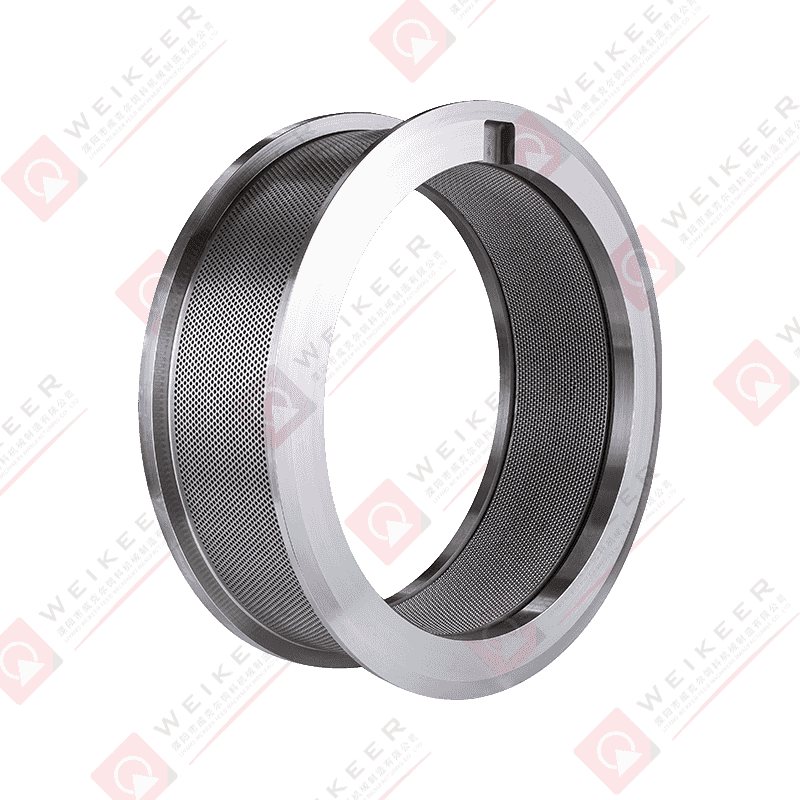
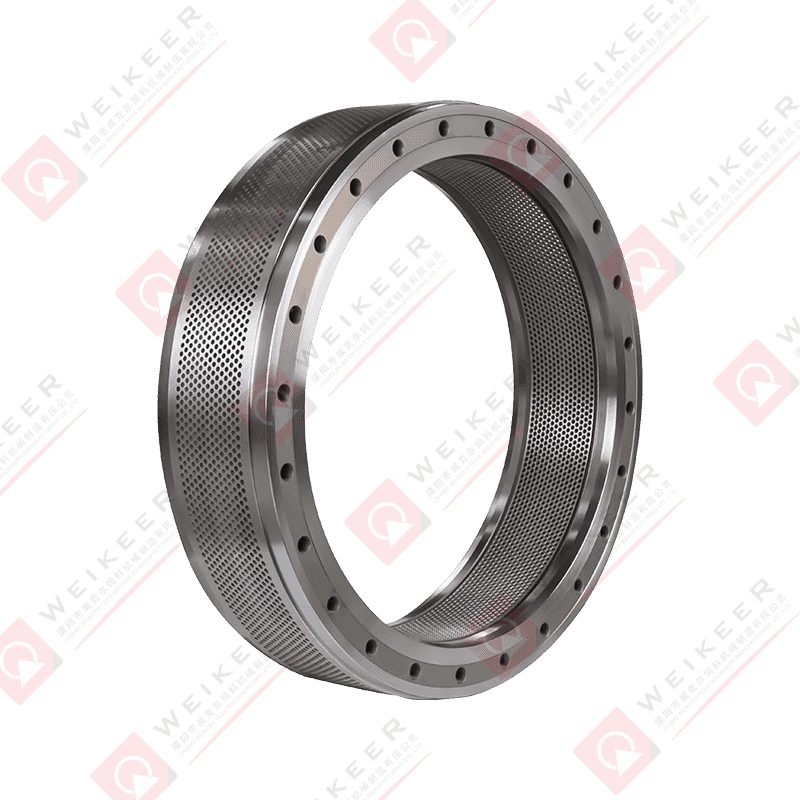
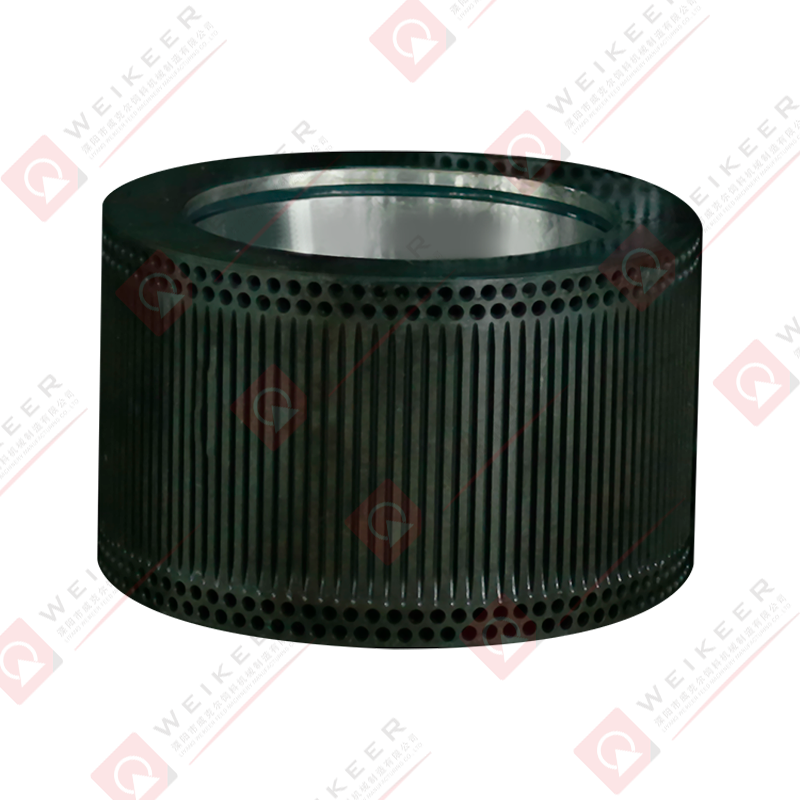
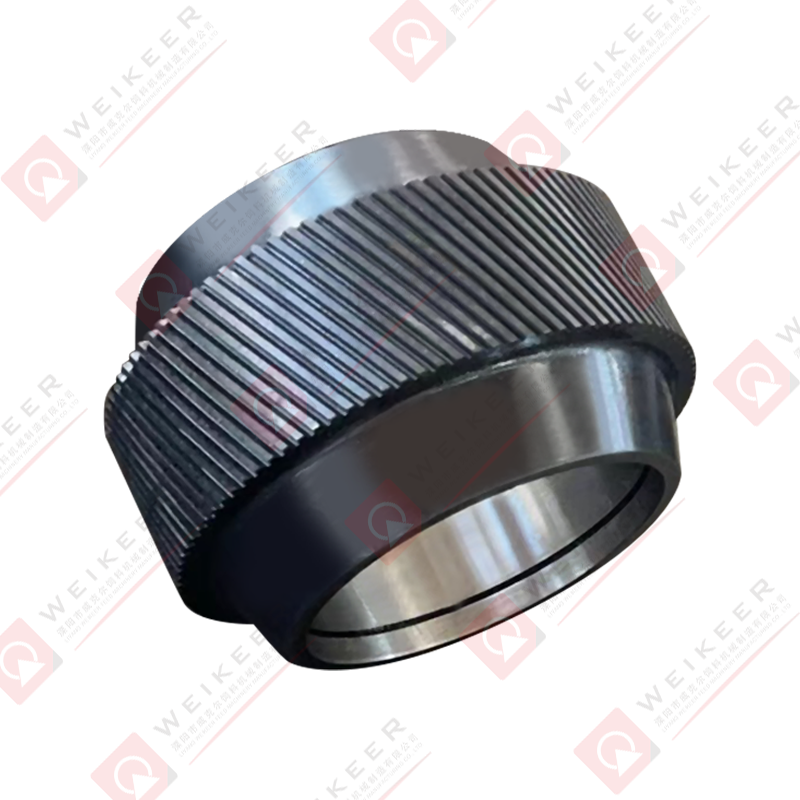
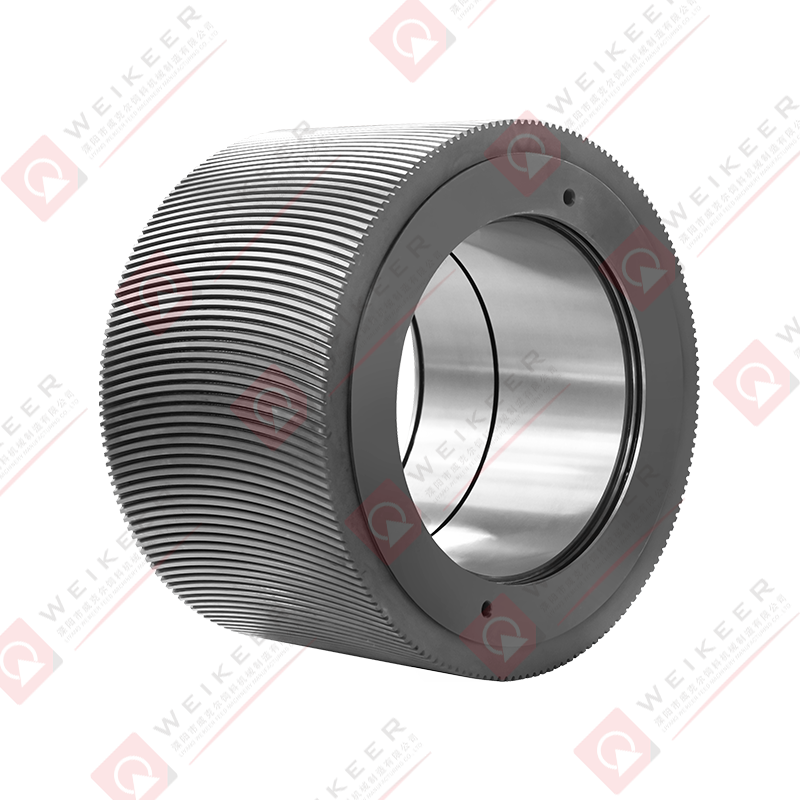
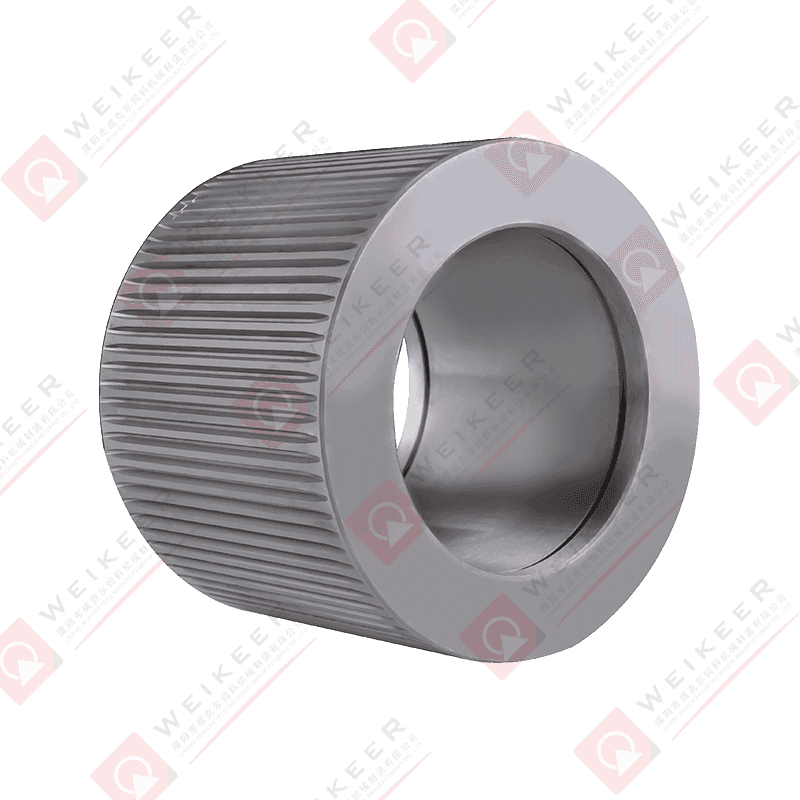
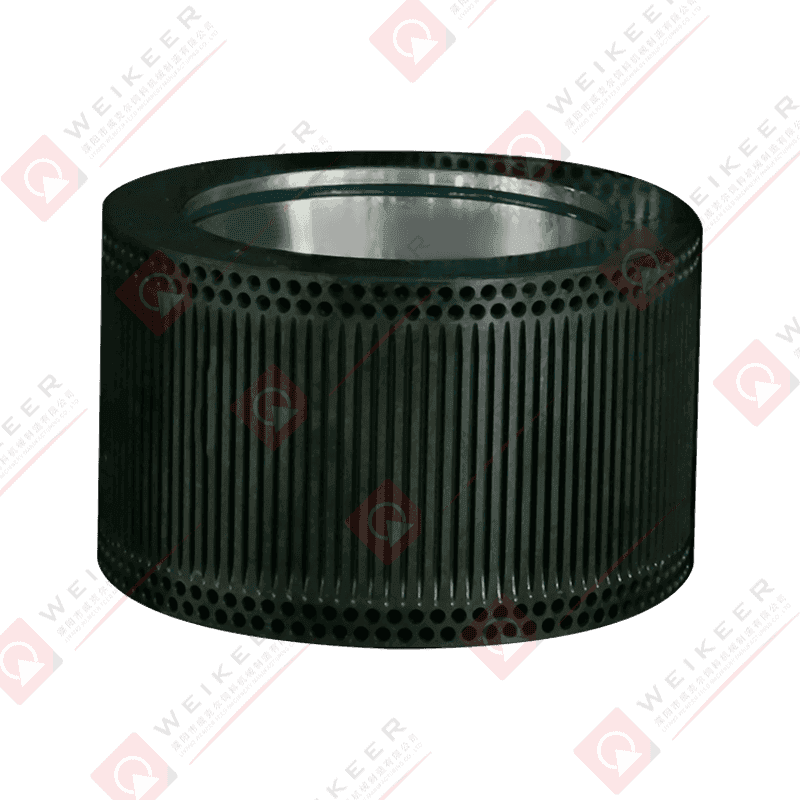
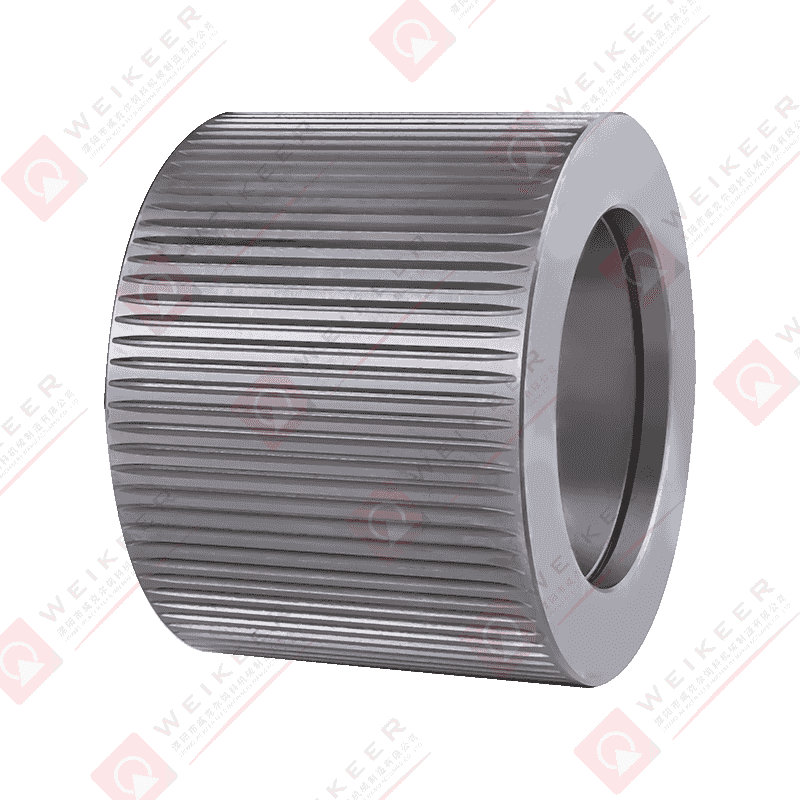
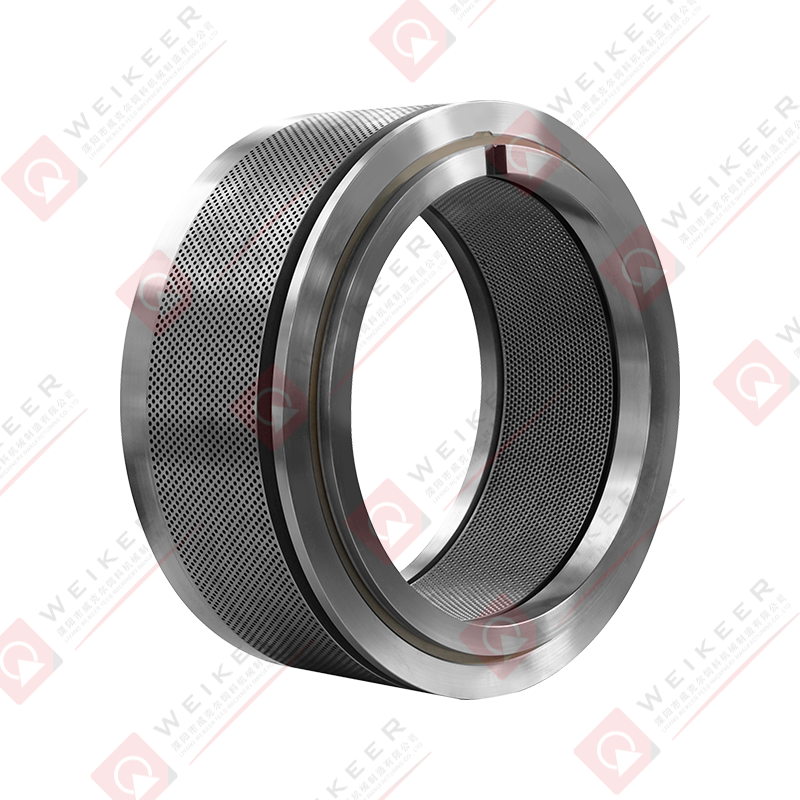
The ring die itself is a cylindrical steel component with thousands of tapered holes drilled radially through its wall. As rollers press raw material against the inner surface of the die, the material is squeezed through these holes and cut into pellets by external knives. The quality of the die, particularly its metallurgy, directly affects pellet density, surface smoothness, and the operational lifespan of the entire machine.
How the Screw Feeding Mechanism Works
The screw feeder sits above or beside the compression chamber and rotates at a speed matched to the pellet mill's production rate. As raw material such as wood fiber, animal feed mash, or agricultural residue enters the hopper, the screw's flighting carries it forward in a continuous, metered stream. This prevents the surges and gaps that gravity-fed systems often experience, which in turn reduces stress on the ring die and rollers. A well-calibrated screw feeder also helps operators fine-tune output rates without stopping the machine, making it easier to match production to downstream packaging or storage capacity.
Why Stainless Steel Ring Dies Matter
Ring dies are commonly manufactured from alloy steel, but stainless steel versions are increasingly chosen for applications where corrosion resistance, hygiene, or product purity are priorities. Stainless steel dies are particularly common in premium animal feed production, aquafeed manufacturing, and food-grade pellet applications where contamination from rust or metal flaking cannot be tolerated.
Corrosion Resistance and Longevity
Standard alloy steel dies can develop surface rust when exposed to humid environments, high-moisture raw materials, or cleaning chemicals used in washdown procedures. Stainless steel resists this oxidation because of its chromium content, which forms a passive protective layer on the metal surface. This means fewer unplanned die replacements, less downtime for cleaning corrosion residue out of the holes, and more predictable maintenance scheduling for plant managers.
Pellet Quality and Surface Finish
Because stainless steel holds a smoother finish inside the die holes over time, pellets produced tend to have a cleaner, more uniform surface. This matters for aquafeed pellets, where water stability and appearance affect how the feed performs once it reaches the pond or tank. It also matters for pharmaceutical or specialty feed pellets, where visual consistency is often part of quality control standards.
Key Components and Their Roles
A screw type stainless steel ring die pellet mill relies on several components working in sequence. Understanding each part helps operators diagnose problems faster and communicate more clearly with equipment suppliers.
| Component |
Function |
| Screw Feeder |
Delivers a controlled, continuous flow of raw material into the chamber |
| Conditioning Chamber |
Adds steam or moisture to soften material before pelletizing |
| Ring Die |
Shapes material into pellets as it passes through perforated holes |
| Compression Rollers |
Press material against the die wall to force it through the holes |
| Cutting Knives |
Trim extruded pellets to the desired length as they exit the die |
Choosing the Right Ring Die Specification
Selecting a die is not a one-size-fits-all decision. The right specification depends on the raw material being processed, the desired pellet diameter, and the production capacity of the mill. Below are the main factors worth reviewing before placing an order.
- Compression ratio, which determines how tightly material is packed as it passes through the die holes
- Hole diameter, which sets the final pellet size for feed, fuel, or fertilizer applications
- Die thickness and hardness, which affect wear resistance under high-volume operation
- Stainless steel grade, since higher chromium and nickel content generally improves corrosion resistance but can raise material cost
- Compatibility with the existing screw feeder speed and roller assembly on the mill
Maintenance Practices for Longer Service Life
Even a high-quality stainless steel ring die will wear out faster without proper maintenance. Operators should inspect the die holes regularly for signs of tapering wear, which can cause pellets to become inconsistent in density. Rollers should be checked alongside the die, since uneven wear on either component throws off the compression balance and increases energy consumption per ton of pellets produced.
The screw feeder also needs periodic attention. Buildup of fine particles or fibrous material around the flighting can slow delivery speed and create inconsistent feeding, which puts extra strain on the die. Lubrication schedules for bearings and gearboxes should follow the manufacturer's recommendations, since a poorly lubricated drive system can cause vibration that accelerates die wear over time. Cleaning the die and chamber after processing sticky or oily raw materials, such as certain feed formulations, prevents residue from hardening inside the holes and reducing throughput on the next production run.
Common Applications Across Industries
Screw type stainless steel ring die pellet mills are used across a wide range of industries, each with its own priorities. In animal feed production, stainless dies help maintain hygiene standards and reduce the risk of metal contamination in finished feed. In aquafeed manufacturing, the smoother die surface supports better pellet integrity in water, which is critical for fish and shrimp farming operations.
Biomass fuel producers also use these machines to pelletize wood residue, agricultural waste, and other combustible materials into uniform fuel pellets. While alloy steel dies are common in this sector due to lower cost, stainless steel becomes valuable when processing materials with higher moisture content or when the plant operates in coastal or humid regions where corrosion is a persistent challenge. Fertilizer producers benefit similarly, since certain fertilizer blends are chemically aggressive toward standard steel and require the added resistance stainless steel provides.
Ultimately, choosing between standard and stainless steel dies, and between screw feeding and other delivery systems, comes down to matching equipment to the specific demands of the raw material and the operating environment. For plants prioritizing consistent quality, reduced downtime, and long-term durability, a screw type stainless steel ring die pellet mill offers a dependable foundation for production.



 русский
 Español
 عربى
عربى 中文简体
中文简体