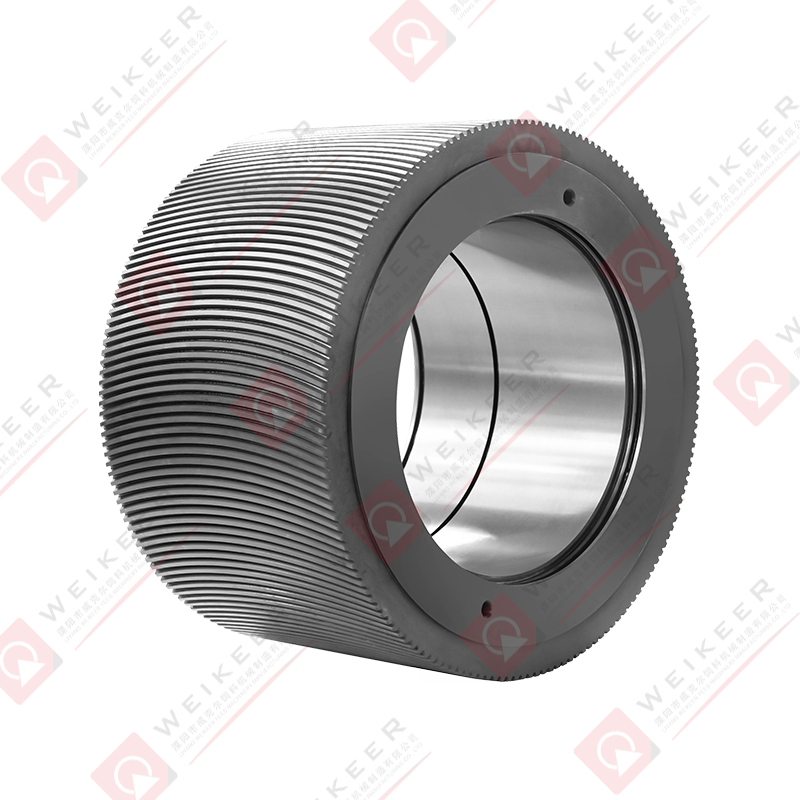
Understanding the Screw Type Stainless Steel Ring Die
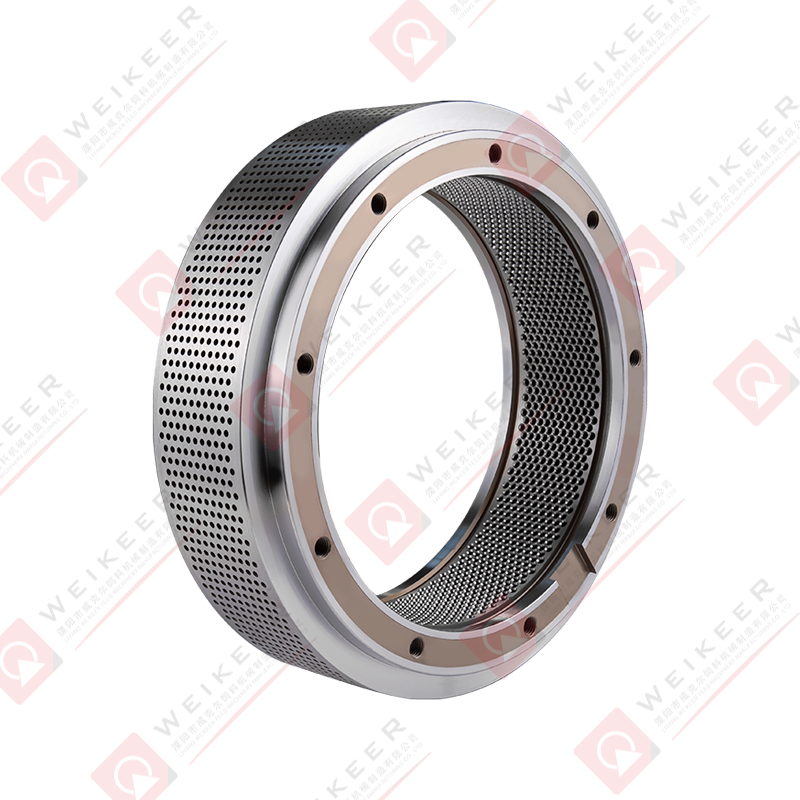
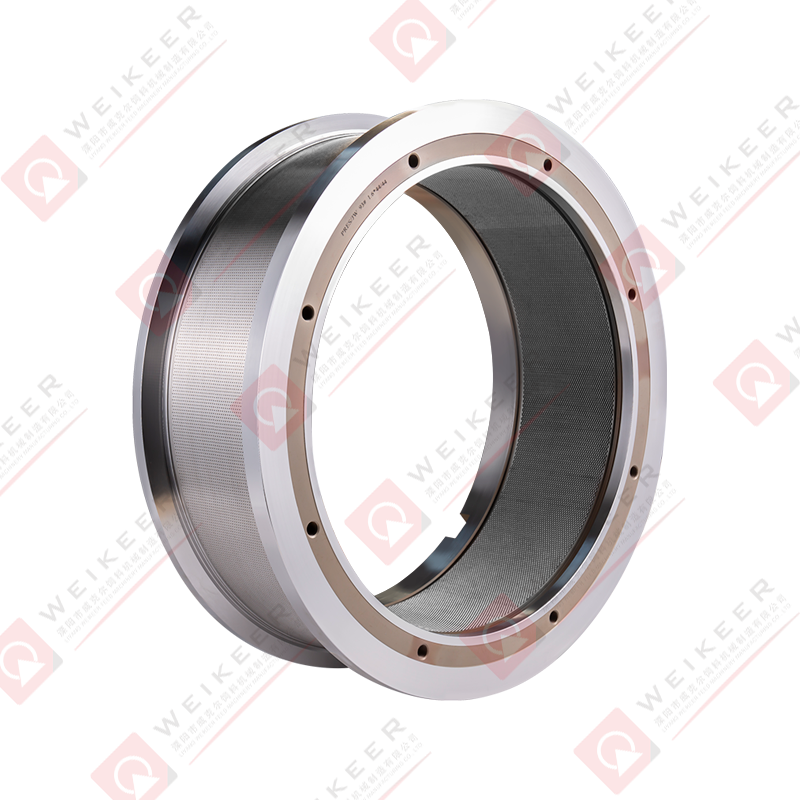
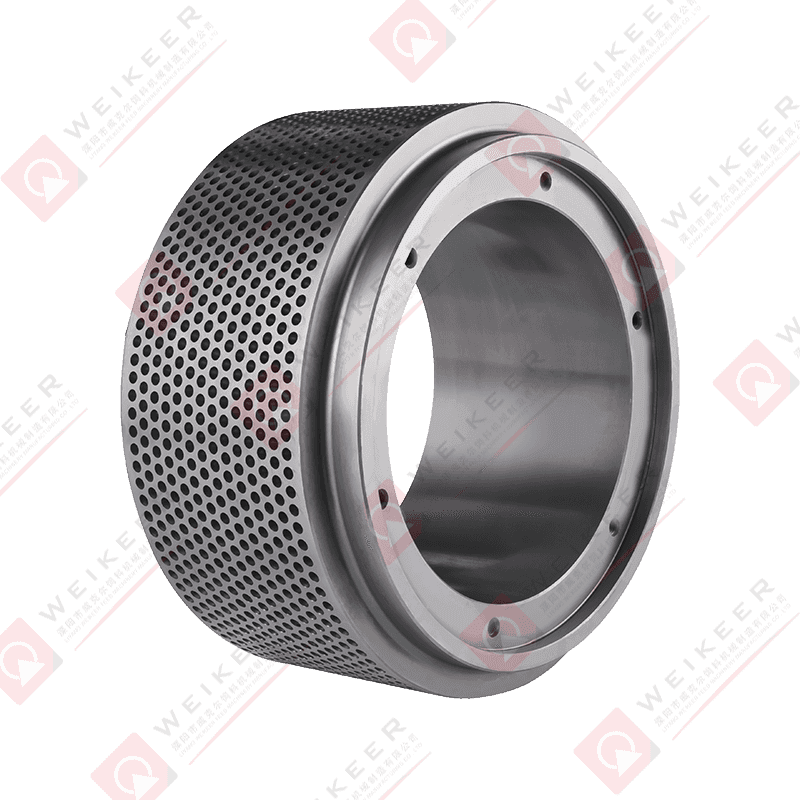
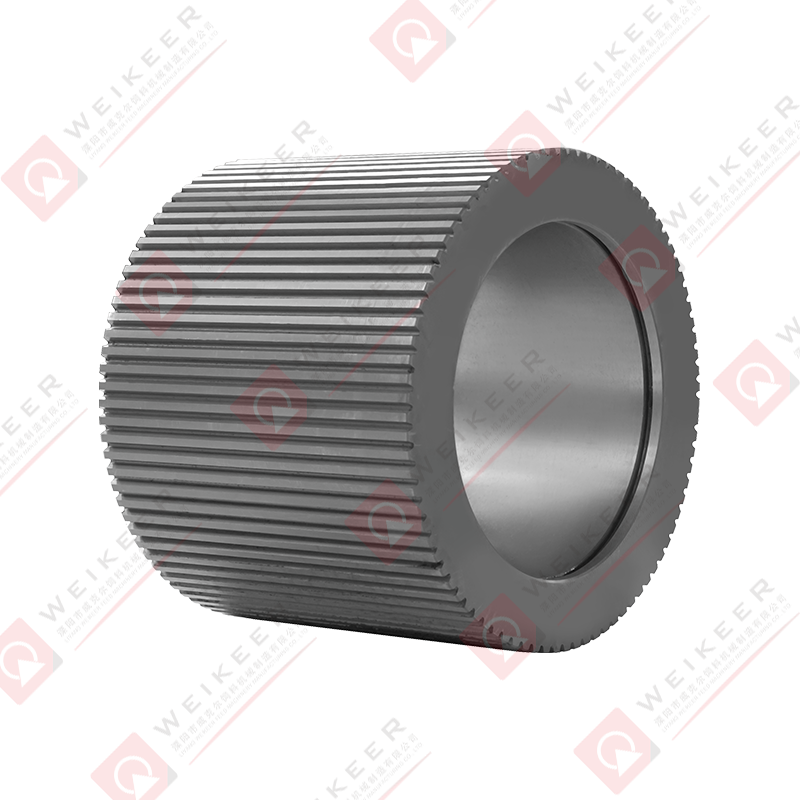
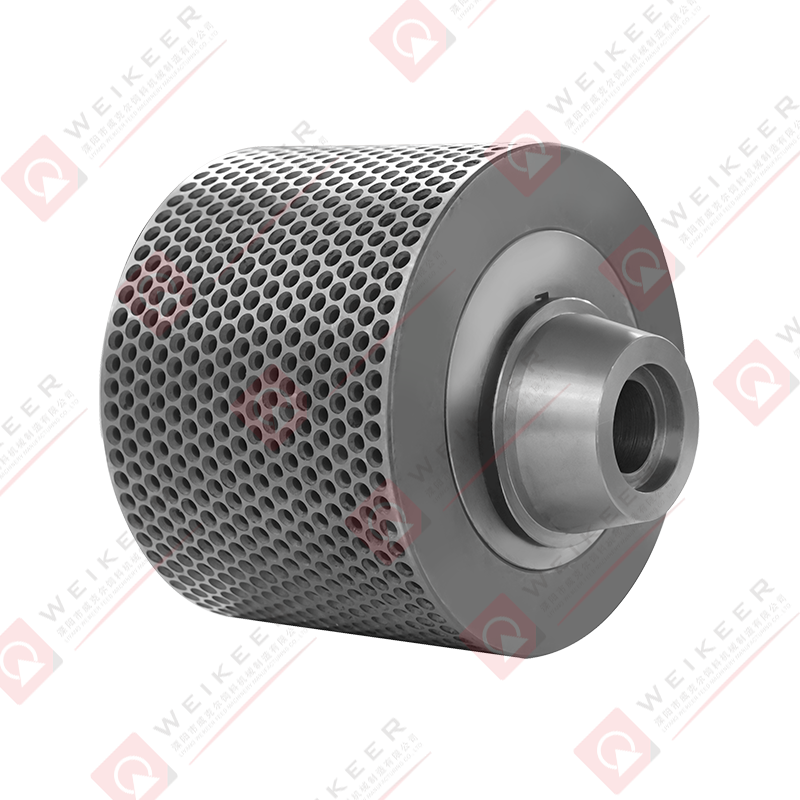
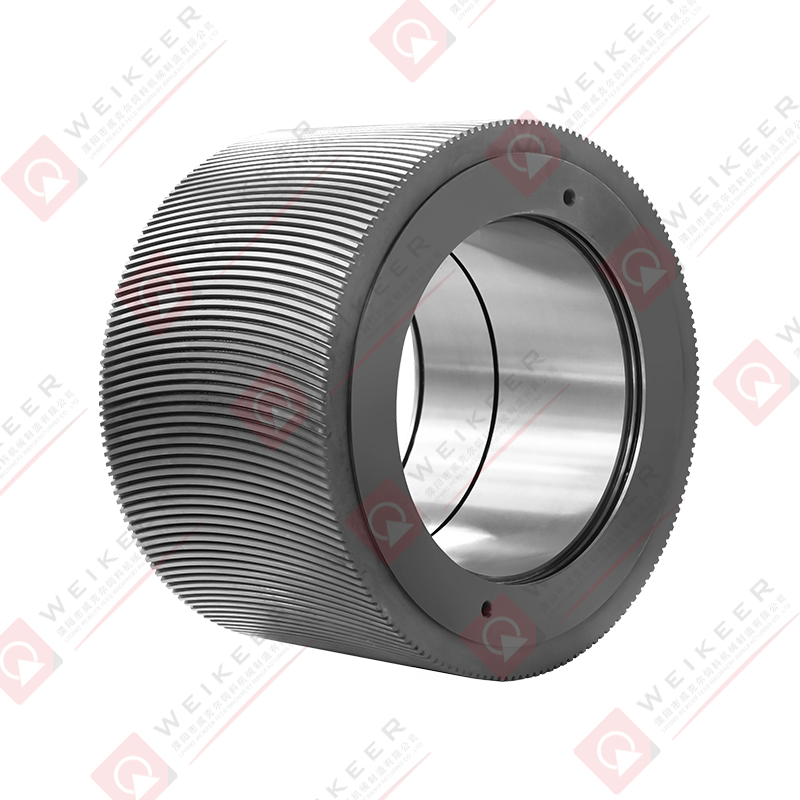
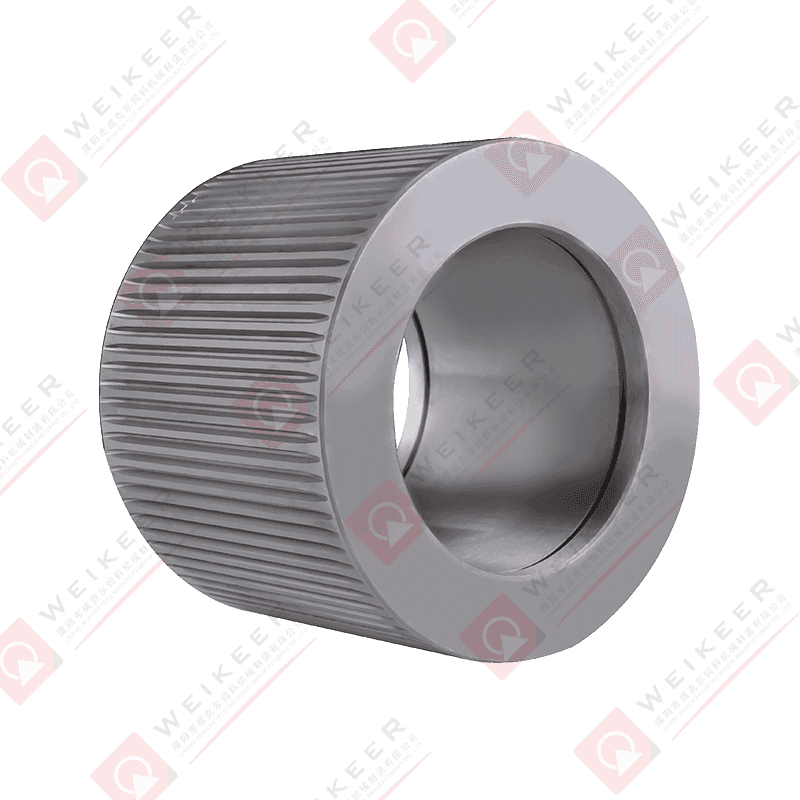
A screw type stainless steel ring die is a critical component within a pellet mill that shapes loose feedstock, such as animal feed, biomass, or wood fiber, into compressed cylindrical pellets. The term screw type refers to the method used to secure the die onto the pellet mill's main shaft, using a threaded connection rather than a flange-bolted arrangement. This design is common in smaller to mid-sized pellet mills where ease of installation and compact assembly are priorities.
The choice of stainless steel as the die material is significant because it directly affects the die's resistance to corrosion, its wear characteristics under high-pressure compression, and its overall service life. Stainless steel ring dies are particularly favored in applications involving feedstocks with higher moisture content or corrosive additives, where carbon steel dies would degrade more quickly.
How a Ring Die Functions Within the Pellet Mill
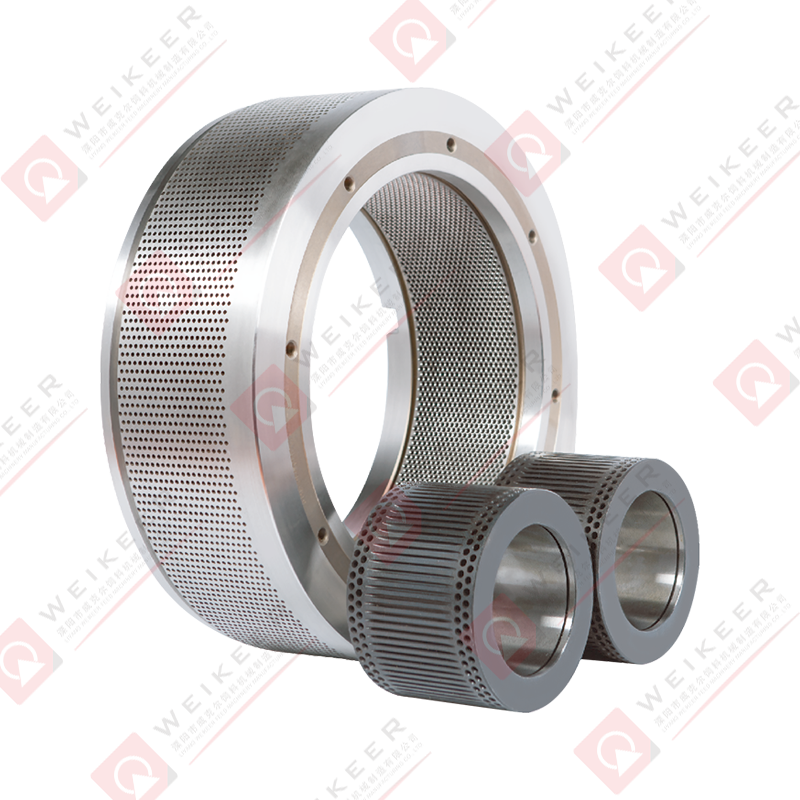
The ring die sits at the heart of the pelletizing process, working in conjunction with rotating rollers to compress raw material through a series of precisely drilled holes. Understanding this mechanical interaction clarifies why die quality has such a direct impact on pellet consistency and production efficiency.
The Compression Process
As the pellet mill operates, raw material is fed into the space between the rotating ring die and the pressure rollers. The rollers force the material against the inner surface of the die, pushing it through the die holes under intense pressure. This compression generates friction-induced heat, which helps bind the material's natural lignin or added binders together, forming a solid pellet as it exits the die.
Die Hole Geometry
The diameter and length of the die holes, along with their compression ratio, determine the density, durability, and finished diameter of the pellets produced. A longer die hole relative to its diameter increases the compression ratio, resulting in denser pellets, though this also increases friction and heat generation, which can accelerate die wear if not properly managed.
Screw Attachment Mechanism
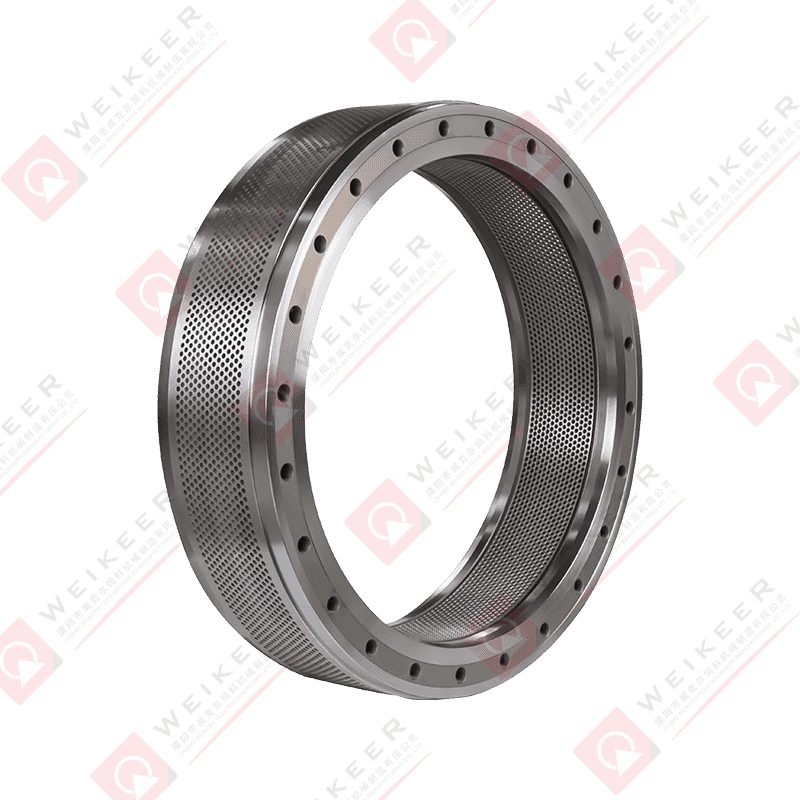
Unlike flange-mounted ring dies that use multiple bolts around the die's circumference, a screw type ring die threads directly onto the main drive shaft. This simplifies installation and removal, making it particularly suitable for smaller pellet mills where frequent die changes might be needed for producing different pellet sizes or formulations.
Why Stainless Steel Is Chosen for Ring Die Construction
Ring dies can be manufactured from several material grades, but stainless steel offers specific advantages that make it a preferred choice for many pelletizing applications, particularly those involving moisture-sensitive or corrosive materials.
Corrosion Resistance
Feedstocks such as fish meal, certain fertilizer blends, or biomass with high moisture content can be corrosive to standard carbon steel dies over time. Stainless steel's chromium content forms a passive oxide layer that resists this type of chemical attack, extending the die's usable life significantly compared to untreated carbon steel alternatives.
Hygiene and Contamination Control
In applications such as aquafeed or specialty animal feed production, maintaining a clean, non-reactive processing surface is important for product quality and regulatory compliance. Stainless steel's smooth, corrosion-resistant surface reduces the risk of material buildup and cross-contamination between production batches.
Wear Characteristics Under Pressure
While stainless steel is generally softer than certain specialty alloy steels used for high-volume industrial pelletizing, modern stainless die manufacturing often incorporates surface hardening treatments, such as nitriding, to improve wear resistance at the die hole surfaces where friction is concentrated.
Comparing Ring Die Material Options
Selecting the appropriate die material depends heavily on the feedstock being processed and the expected production volume. The table below outlines common die material choices and their typical suitability.
| Material |
Corrosion Resistance |
Best Suited For |
| Stainless Steel |
High |
Moist or corrosive feedstocks, small-scale mills |
| Carbon Steel |
Low |
Dry, low-corrosion feedstocks |
| Alloy Steel |
Moderate |
High-volume industrial pelletizing |
For operations processing feedstocks with variable moisture content, or those requiring frequent washdowns for hygiene purposes, stainless steel remains the more practical choice despite its comparatively higher material cost.
Typical Applications of Screw Type Stainless Steel Ring Dies
Screw type stainless steel ring dies are commonly found in smaller pellet mills used across a variety of production settings, particularly where flexibility and material compatibility are priorities.
- Small-scale animal feed production for livestock and poultry
- Aquafeed pellet manufacturing requiring corrosion-resistant surfaces
- Biomass fuel pellet production from agricultural residues
- Specialty pet food pelletizing
- Small farm or cooperative-scale feed processing operations
These applications benefit from the ease of die replacement offered by the screw attachment design, allowing operators to switch between different pellet sizes or formulations without extensive downtime.
Key Factors When Selecting a Ring Die
Choosing the right ring die involves more than confirming the material grade. Several additional specifications directly affect pellet quality and production efficiency.
Compression Ratio
The compression ratio, calculated from the die hole's effective length divided by its diameter, should be matched to the specific feedstock being processed. Fibrous materials generally require a higher compression ratio to achieve proper pellet density, while softer materials may pellet effectively with a lower ratio.
Die Hole Diameter
The finished pellet diameter is determined directly by the die hole size. Selecting the correct diameter depends on the intended end use of the pellets, whether for livestock feed, aquafeed, or fuel applications, each of which typically has established size standards.
Effective Working Thickness
The working thickness of the die, meaning the portion of the die that actively compresses material, influences both pellet density and the amount of friction generated during production. Thicker working sections increase compression but also raise the risk of overheating if not paired with adequate cooling or lubrication during operation.
Maintenance Practices for Extending Die Life
Proper maintenance significantly extends the operational lifespan of a screw type stainless steel ring die. Operators should establish a routine cleaning schedule to prevent material buildup within the die holes, which can otherwise harden and restrict material flow, to uneven pellet quality or increased strain on the pellet mill motor.
Regular inspection for surface wear, particularly around the die hole edges where the friction occurs, allows operators to identify when reconditioning or replacement is needed before pellet quality begins to suffer. Additionally, ensuring the die is properly lubricated during startup, particularly after periods of inactivity, helps prevent excessive initial friction that can accelerate wear on both the die and the pressure rollers.
Final Thoughts on Selecting the Right Ring Die
Screw type stainless steel ring dies offer a practical, corrosion-resistant solution for pellet mills processing moisture-sensitive or hygiene-critical feedstocks, particularly in smaller-scale production environments. By carefully matching compression ratio, hole diameter, and working thickness to the specific material being processed, and by maintaining consistent cleaning and inspection routines, operators can achieve reliable pellet quality while the service life of their ring die investment.



 русский
 Español
 عربى
عربى 中文简体
中文简体