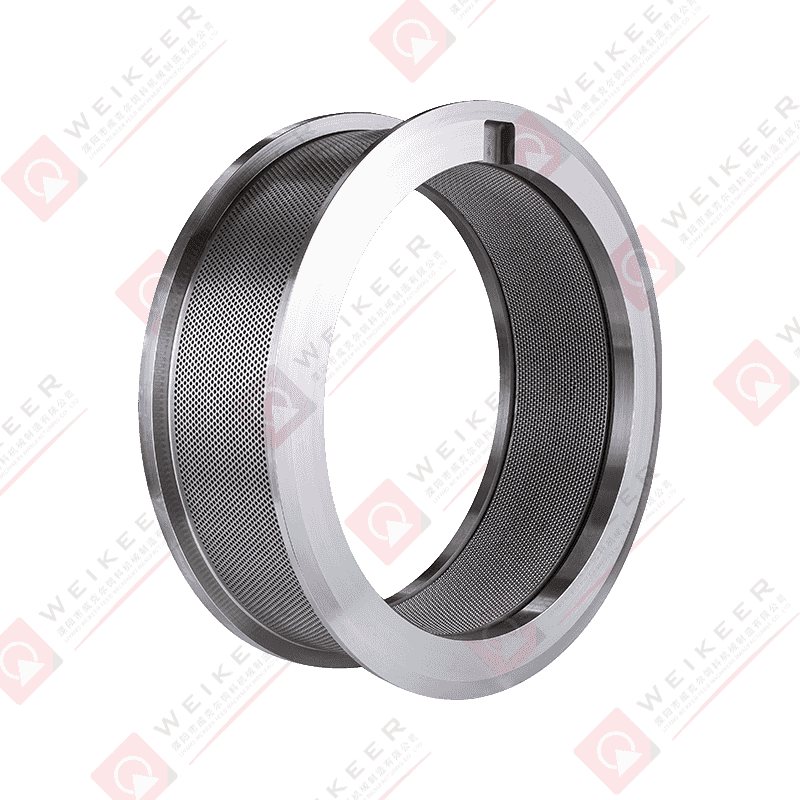
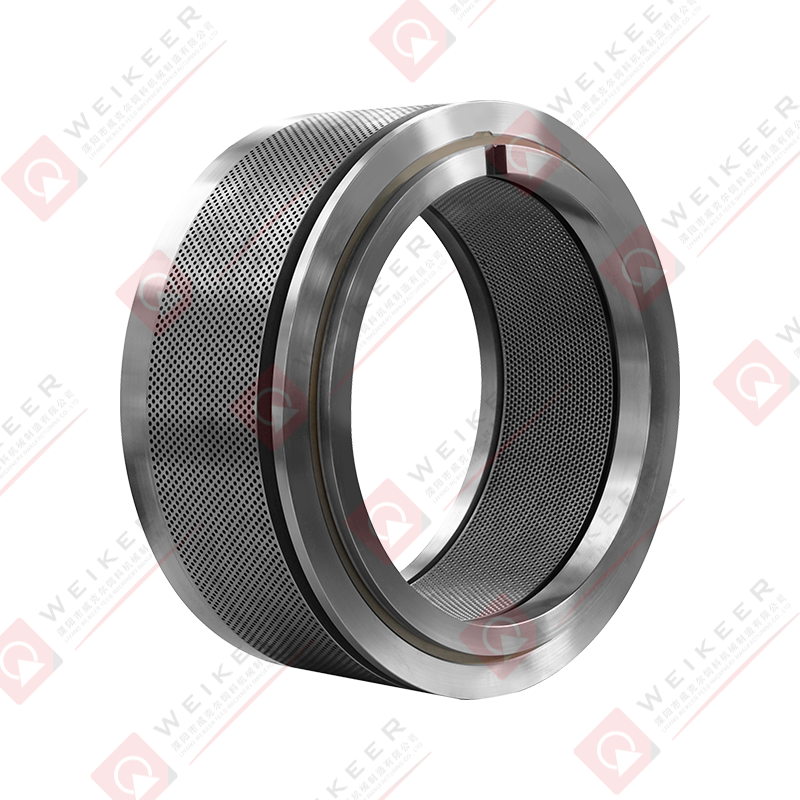
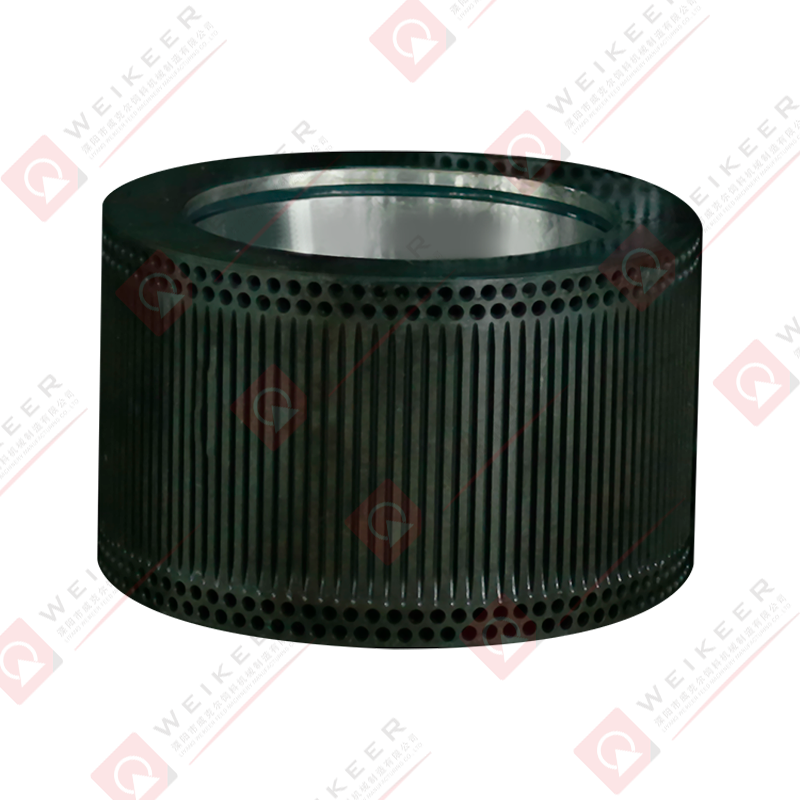
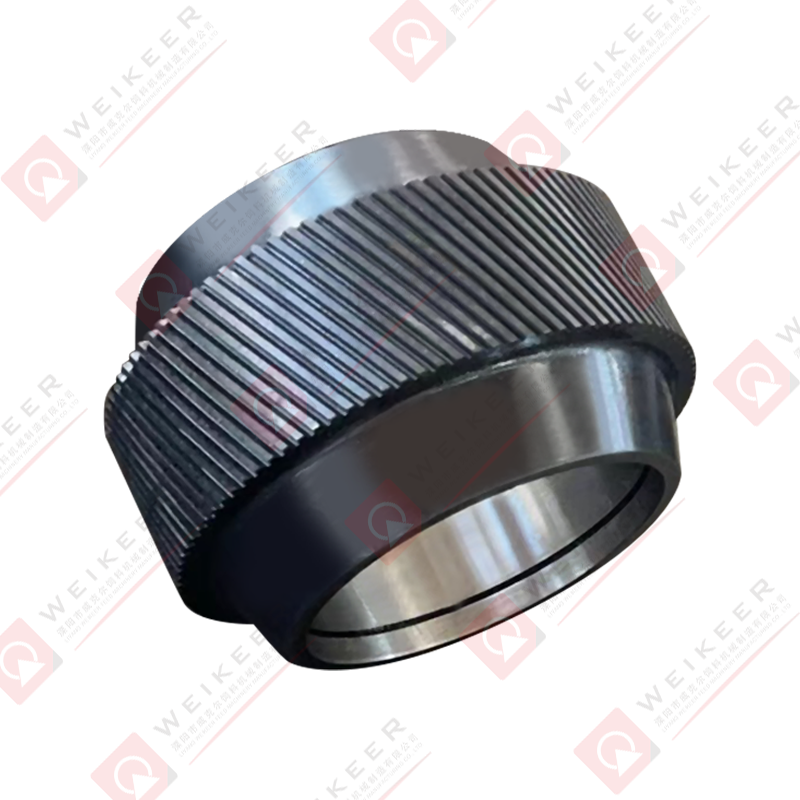
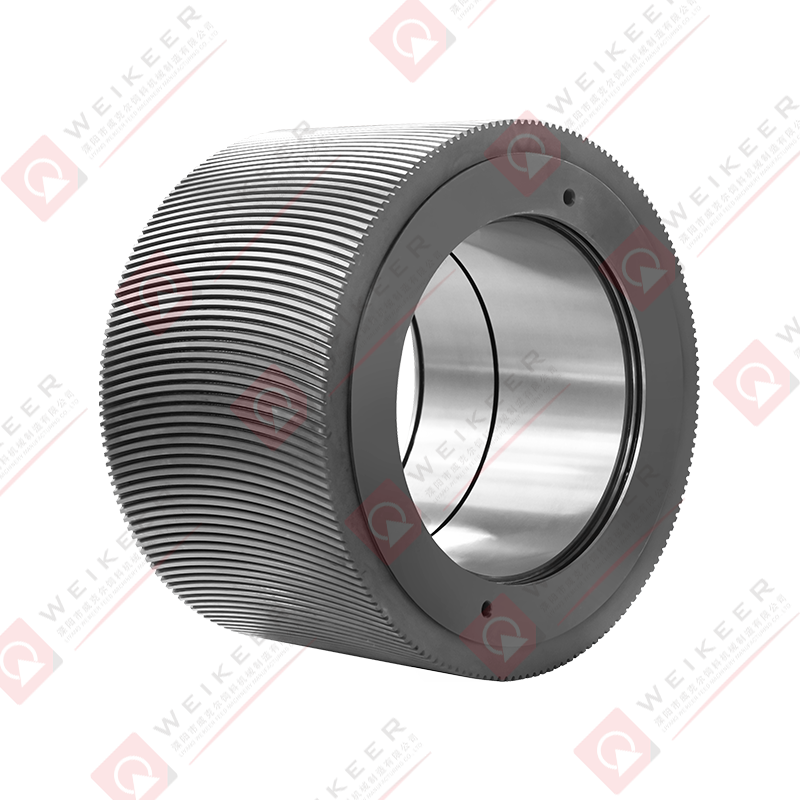
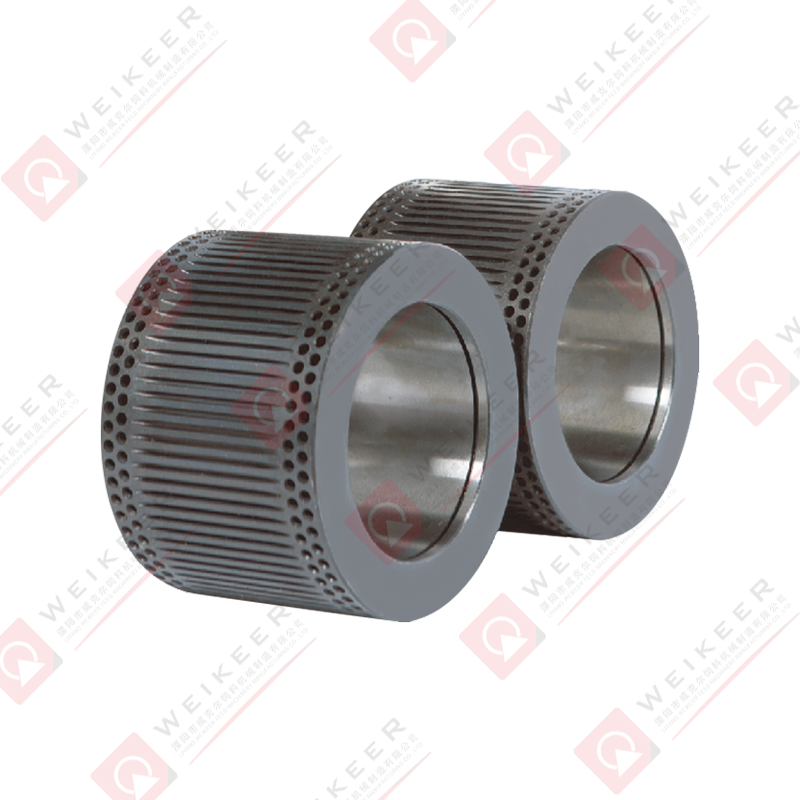
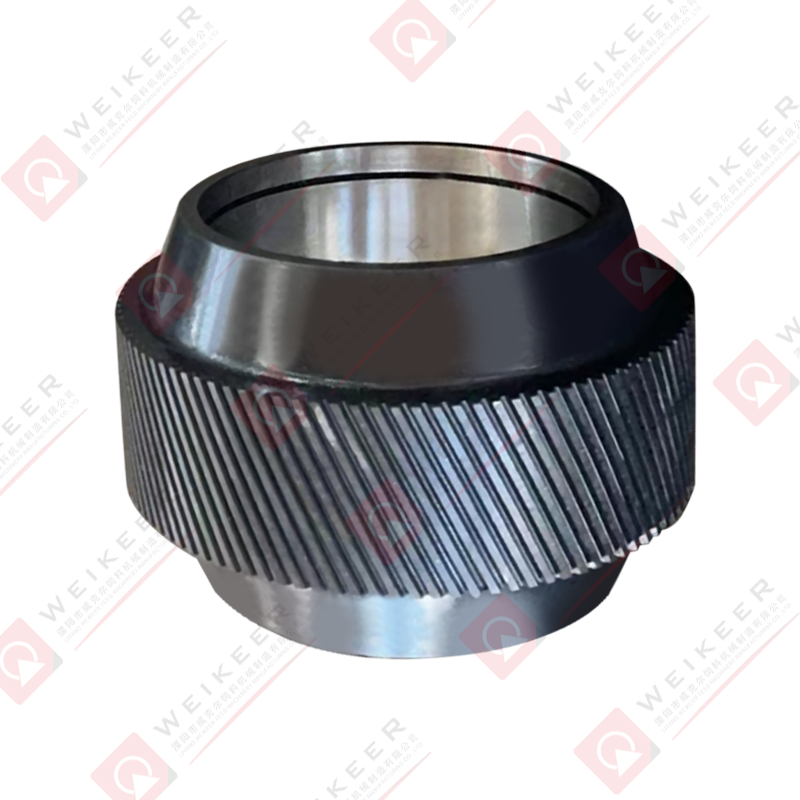
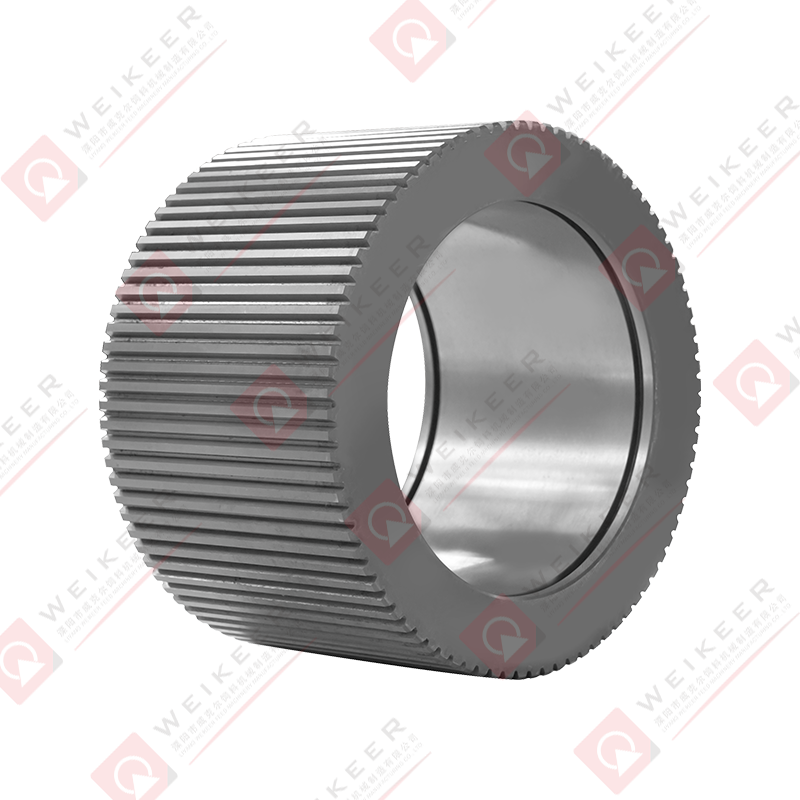
In pellet manufacturing, the ring die is the single critical component determining pellet quality, production efficiency, and operating cost. Among the various material options available, stainless steel ring dies — including the anchorear-type stainless steel ring die — have gained significant traction across feed, biomass, and wood pellet production industries. Their ability to withstand abrasive raw materials, corrosive environments, and continuous high-pressure operation makes them a compelling alternative to carbon steel and alloy steel dies. This article explores what stainless steel ring dies are, how anchorear-type designs function, the key specifications that define performance, and how to select and maintain them for service life.
What Is a Ring Die in a Pellet Mill?
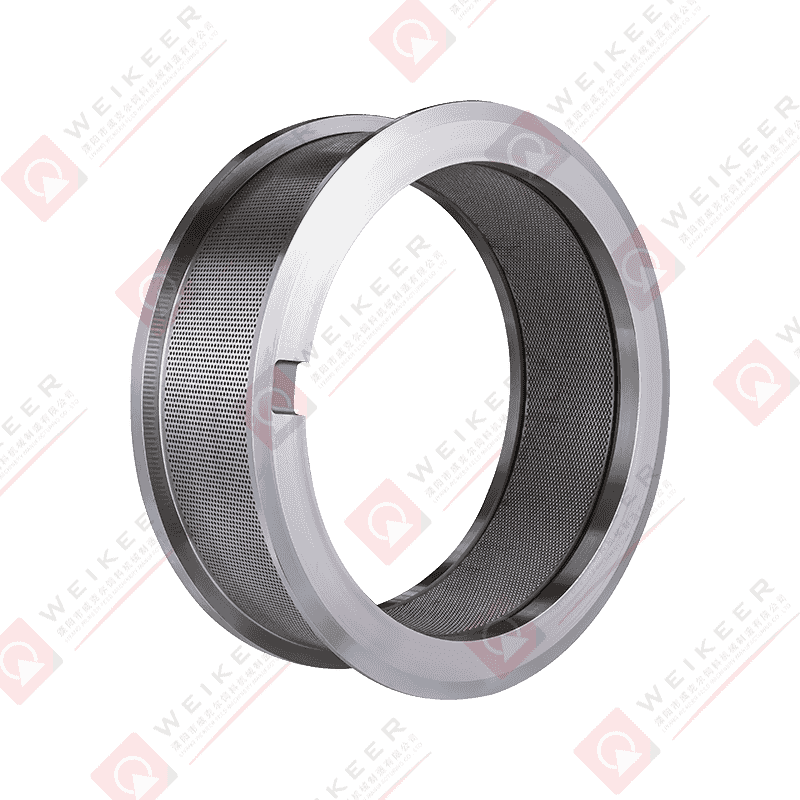
A ring die is a thick-walled cylindrical component perforated with hundreds of precisely drilled holes — called die channels or die holes — through which raw material is forced under high pressure to form pellets. The die rotates at speed while pressing rollers compress the raw material against the inner surface, extruding it through the channels. As material exits the outer surface of the die, a stationary knife cuts it to the specified pellet length.
The geometry of the die holes — including hole diameter, effective length (compression length), relief bore, and inlet chamfer — controls pellet density, hardness, and throughput. The material from which the die is manufactured determines how long these geometries remain accurate under the intense frictional heat and abrasive wear generated during pellet production. A die that wears unevenly or prematurely causes pellet dimensional inconsistency, increased energy consumption, and unplanned downtime for replacement.
What Is an Anchorear-Type Stainless Steel Ring Die?
The anchorear-type ring die refers to a specific mounting and retention design used to secure the ring die within the pellet mill housing. In this configuration, the die is held in place by a clamping collar and keyed anchor arrangement that prevents rotational slippage and axial movement during operation. The anchorear design distributes clamping forces evenly around the die circumference, reducing the risk of stress concentrations that can cause cracking at the mounting interface — a failure mode that is more common in solid-body clamped or single-point secured die designs.
When this proven mounting system is combined with a stainless steel die body, the result is a component that offers both structural stability under operational loads and the material benefits of stainless steel — primarily corrosion resistance and consistent hardness after heat treatment. This combination is particularly valued in feed pelleting operations where steam conditioning of raw materials introduces significant moisture and where hygiene standards demand materials that do not contaminate the product.
Why Stainless Steel Outperforms Other Die Materials
Ring dies are manufactured from several different steel grades, and the choice of material directly affects service life, pellet surface quality, and suitability for the raw material being processed. Stainless steel offers a distinct set of advantages that justify its higher initial cost in many production scenarios.
Corrosion Resistance in Steam and High-Moisture Environments
Carbon steel and low-alloy steel dies are susceptible to surface corrosion when exposed to steam conditioning, high-moisture raw materials such as distillers dried grains (DDGS), or aquaculture feeds with high salt or fish meal content. Surface rust inside die channels roughens the bore, dramatically increasing friction, reducing throughput, and degrading pellet surface finish. Stainless steel grades such as 316L and 420 maintain a passive oxide layer that prevents this corrosion, preserving channel geometry and surface smoothness over extended production runs.
Consistent Hardness After Heat Treatment
Martensitic stainless steel grades used for ring dies — commonly 420 and 17-4 PH — respond well to vacuum heat treatment and can achieve surface hardness values of 58 to 62 HRC. This is comparable to alloy steel dies but is maintained more consistently across the die body due to stainless steel's uniform microstructure. Consistent hardness ensures even wear across all die channels, which is important for maintaining pellet diameter uniformity across the full width of the die.
Reduced Pellet Contamination Risk
In aquaculture feed, pet food, and pharmaceutical pellet production, contamination of the final product from die material is a serious concern. Carbon steel dies can shed microscopic iron particles as they corrode, introducing metallic contamination into the feed stream. Stainless steel dies virtually eliminate this risk, supporting compliance with food safety and feed quality standards including FSMA, GMP+, and FAMI-QS requirements.
Key Specifications of Stainless Steel Ring Dies
When evaluating stainless steel ring dies for a pellet mill, several technical specifications determine whether the die will perform correctly for the intended raw material and pellet product.
| Specification |
Typical Range |
Impact on Performance |
| Die Hole Diameter |
1.5 – 12 mm |
Determines pellet diameter |
| Compression Ratio (L/D) |
6:1 – 12:1 |
Controls pellet hardness and density |
| Working Width |
100 – 600 mm |
Determines production capacity |
| Open Area Ratio |
20% – 35% |
Affects throughput and die strength |
| Surface Hardness |
58 – 62 HRC |
Determines wear resistance and service life |
| Material Grade |
420SS, 316L, 17-4 PH |
Governs corrosion resistance and hardenability |
Choosing the Right Compression Ratio for Your Raw Material
The compression ratio — expressed as the ratio of effective hole length (L) to hole diameter (D) — is one of the important parameters to configure correctly when ordering a stainless steel ring die. An incorrect compression ratio is one of the causes of poor pellet quality, excessive power consumption, and premature die failure, regardless of how well the die is manufactured.
Raw materials with good binding properties and low fiber content, such as poultry feed formulations with high starch content, require lower compression ratios in the range of 6:1 to 8:1. Higher ratios would cause over-compression, excessive heat, and potential pellet burning. Conversely, raw materials that are naturally difficult to bind — such as high-fiber livestock feed, wood sawdust biomass pellets, or sunflower hull-based feeds — require higher compression ratios of 9:1 to 12:1 or more to generate sufficient frictional heat and pressure to produce dense, durable pellets. The following guidelines summarize compression ratio recommendations by raw material type:
- Poultry and swine complete feed (high starch): L/D ratio of 6:1 to 8:1. These formulations bind easily, and lower compression prevents excess frictional heat that degrades heat-sensitive vitamins and amino acids.
- Ruminant and dairy cattle feed (high fiber, low starch): L/D ratio of 8:1 to 10:1. Higher fiber content reduces natural binding, requiring greater compression to achieve acceptable pellet durability index (PDI) values above 95%.
- Aquaculture and shrimp feed (fine particle, high binding): L/D ratio of 10:1 to 14:1. Dense, water-stable pellets require high compression and long effective channel length to ensure complete gelatinization and cohesion of the pellet matrix.
- Wood and biomass pellets (sawdust, straw, rice husk): L/D ratio of 5:1 to 8:1 depending on lignin content. Wood with high natural lignin binds at lower compression ratios once adequate conditioning temperature is achieved.
Breaking In a New Stainless Steel Ring Die Correctly
A new stainless steel ring die must be broken in before it reaches full productive capacity. Failure to follow a proper break-in procedure is one of the common causes of early die plugging and reduced service life. During break-in, the die channels are conditioned with an oily material that lubricates the bore surfaces and gradually burnishes them to a smooth, low-friction finish.
The standard break-in procedure involves mixing a batch of fine dry sand (approximately 5 to 10% by weight) with vegetable oil or used motor oil, then running this mixture through the mill at reduced roll gap and low production rate for 15 to 30 minutes. The abrasive sand smooths any machining marks inside the die channels while the oil lubricates the surfaces and prevents premature heat buildup. After break-in, the die is flushed with an oily or greasy feed material before transitioning to normal production. Following this process consistently extends die service life and reduces the likelihood of blockages during initial production runs.
Maintenance Practices That Extend Ring Die Service Life
Even the highest-quality stainless steel ring die will underperform if not maintained properly. A structured maintenance routine preserves die geometry, prevents contamination-related failures, and helps operators recognize wear patterns before they cause production losses.
- Store dies with oily plugs in channels: When a die is taken out of service for more than a few days, all die channels should be packed with an oil-soaked material to prevent corrosion inside the bores, even on stainless steel dies. Moisture condensation during storage can still affect the internal channel surfaces if left unprotected.
- Inspect and record hole diameter periodically: Use a calibrated bore gauge to measure sample die holes at regular intervals — typically every 200 to 300 operating hours. Track wear rate to predict replacement timing and adjust pellet sizing expectations accordingly as the die wears.
- Check roll-to-die gap consistently: An incorrectly set roll gap causes uneven material distribution across the die width, creating high-wear zones and accelerating local hole enlargement. Verify roll gap with feeler gauges at each shift or after any interruption.
- Remove tramp metal from raw material streams: Install magnetic separators and metal detectors upstream of the pellet mill. Hard metal particles in the feed stream cause catastrophic die channel damage that cannot be repaired, necessitating full die replacement.
- Flush die before shutdown: At the end of each production run or shift, run an oily flushing material through the mill to coat the die channel surfaces. This prevents raw material residue from hardening inside the channels during idle periods, which can cause blockages on restart and require abrasive clearing that damages channel walls.
Signs That a Stainless Steel Ring Die Needs Replacement
Even with maintenance, every ring die has a finite service life. Recognizing the end-of-life indicators early allows planned replacement rather than reactive emergency changeover during a production shift.
- Increasing pellet diameter beyond specification: As die holes wear, pellet diameter increases. When the average diameter exceeds the upper tolerance limit by more than 0.2 to 0.3 mm consistently, the die has reached the end of its useful life for specification-critical products.
- Declining pellet durability index (PDI): Worn channels with enlarged or roughened bores produce pellets with lower density and higher fines content. If PDI drops below 95% for feed pellets or below 97.5% for fuel pellets despite correct conditioning and formulation, the die is likely worn beyond acceptable limits.
- Increasing specific energy consumption: A worn die that has lost surface hardness in the channels requires more energy per ton to produce the same pellet quality. A sustained increase in kWh per tonne output of more than 10 to 15 percent over baseline is a reliable indicator of die wear.
- Visible cracking at the die face or mounting area: Hairline cracks on the die outer face or near the anchorear mounting zone are a safety-critical indicator requiring immediate withdrawal from service. Continuing to operate a cracked die risks catastrophic fracture under load, which can cause severe damage to the pellet mill housing and press rollers.
Conclusion
The anchorear stainless steel ring die represents a high-performance solution for pellet mills operating in demanding conditions where corrosion resistance, pellet hygiene, and consistent dimensional accuracy are non-negotiable. By selecting the correct die material grade, configuring the compression ratio precisely for the raw material being processed, following a disciplined break-in protocol, and maintaining the die proactively throughout its service life, pellet manufacturers can significantly reduce cost-per-tonne, improve pellet quality consistency, and extend the interval between die replacements. In a production environment where the ring die accounts for a significant share of consumable tooling cost, investing in a quality stainless steel die and operating it correctly delivers measurable returns on every tonne produced.



 русский
 Español
 عربى
عربى 中文简体
中文简体