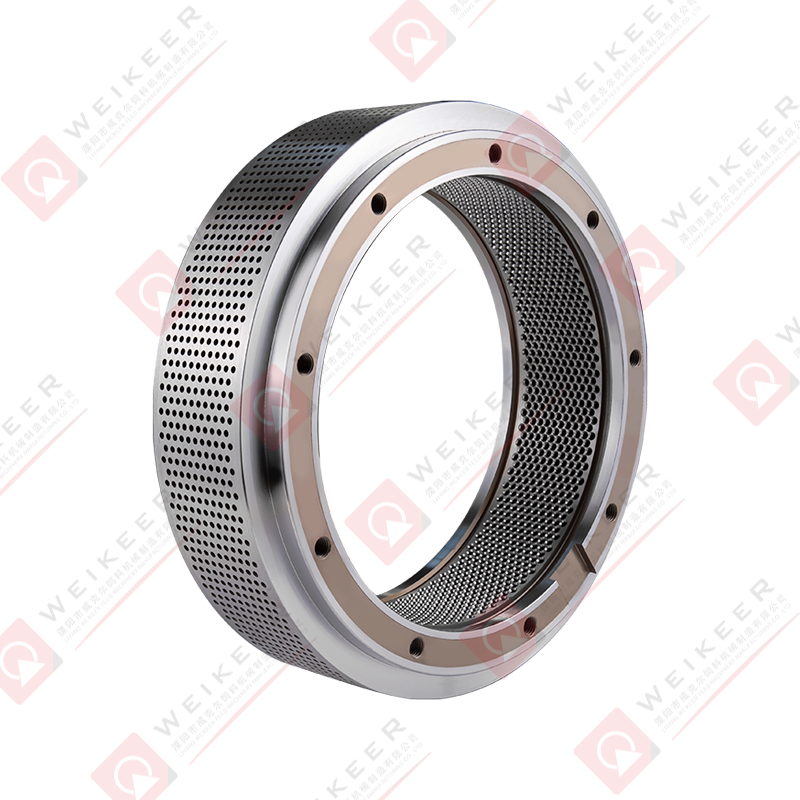
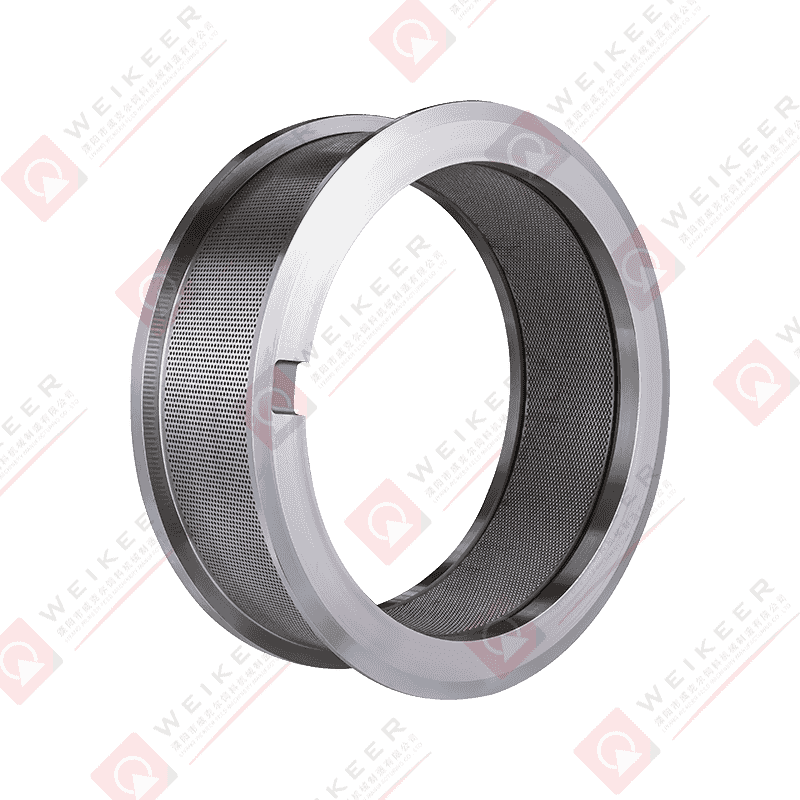
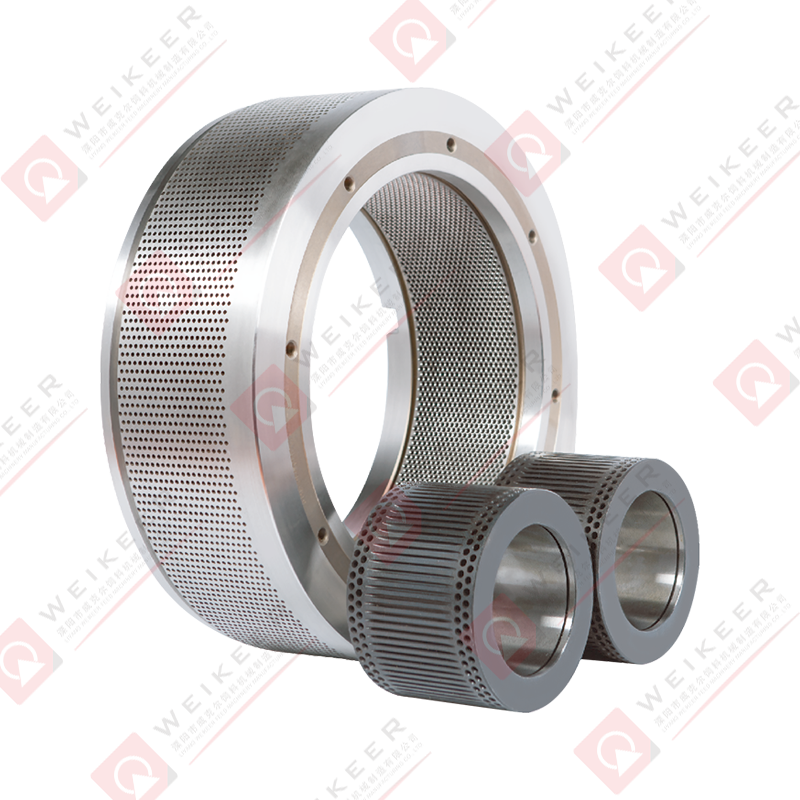
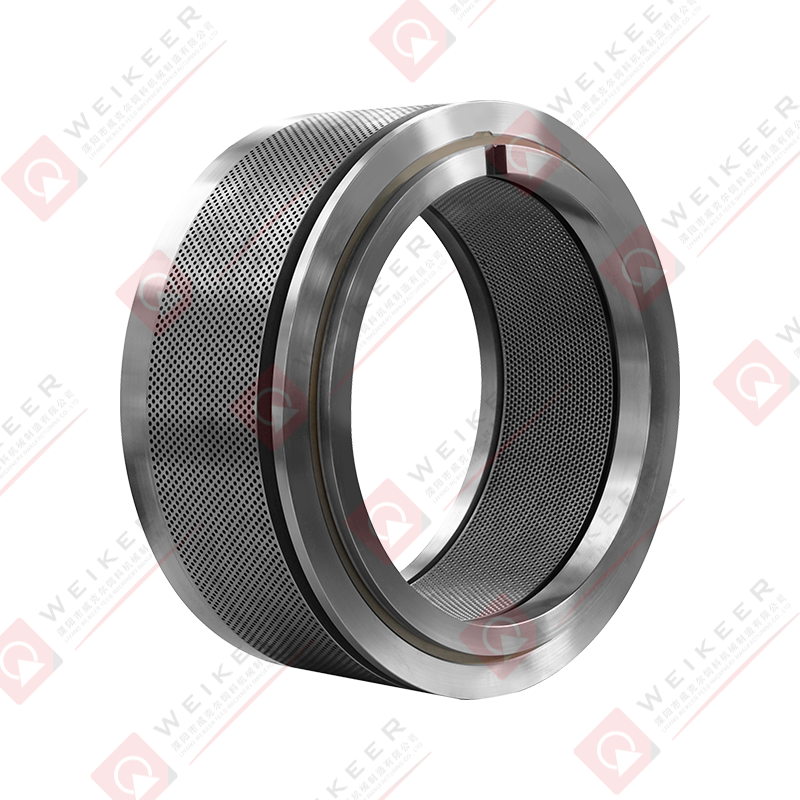
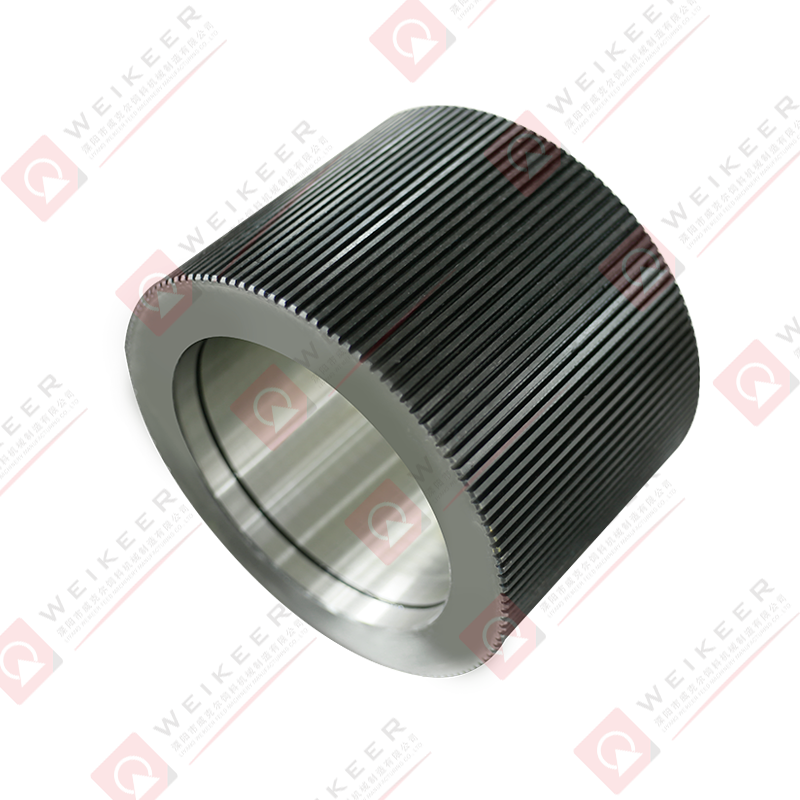
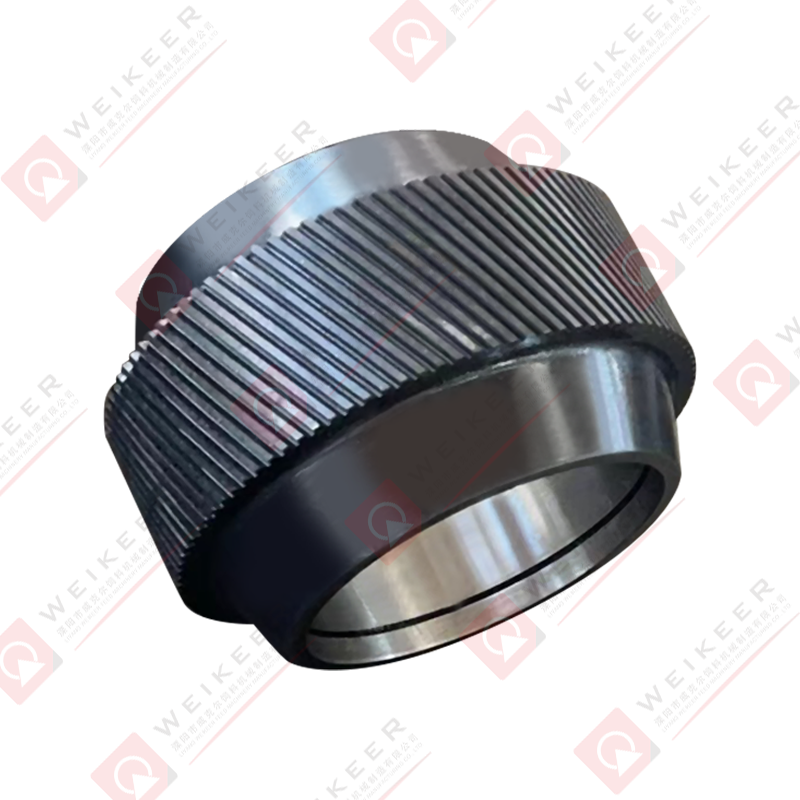
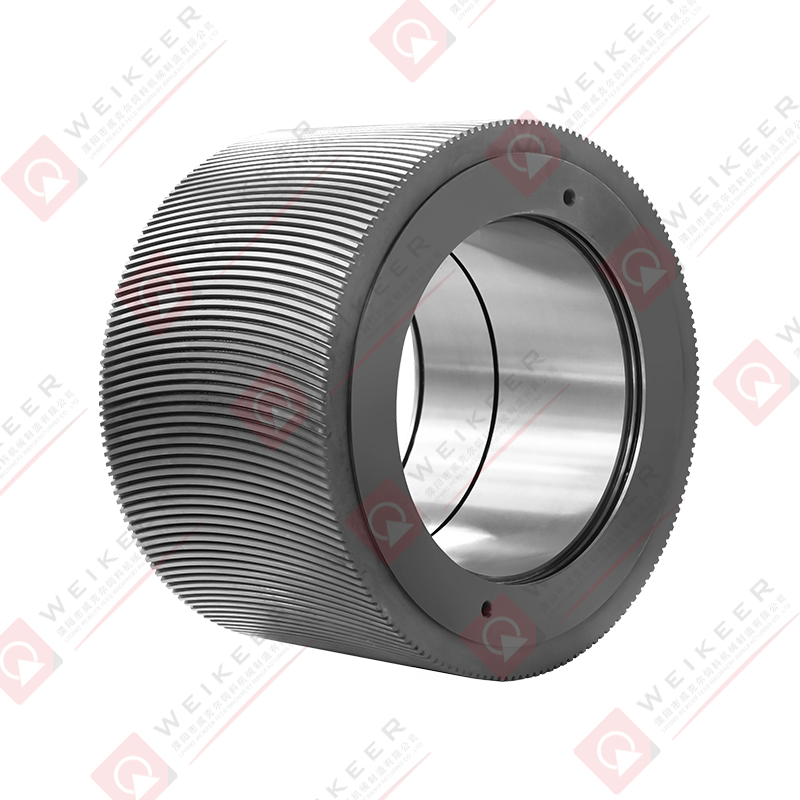
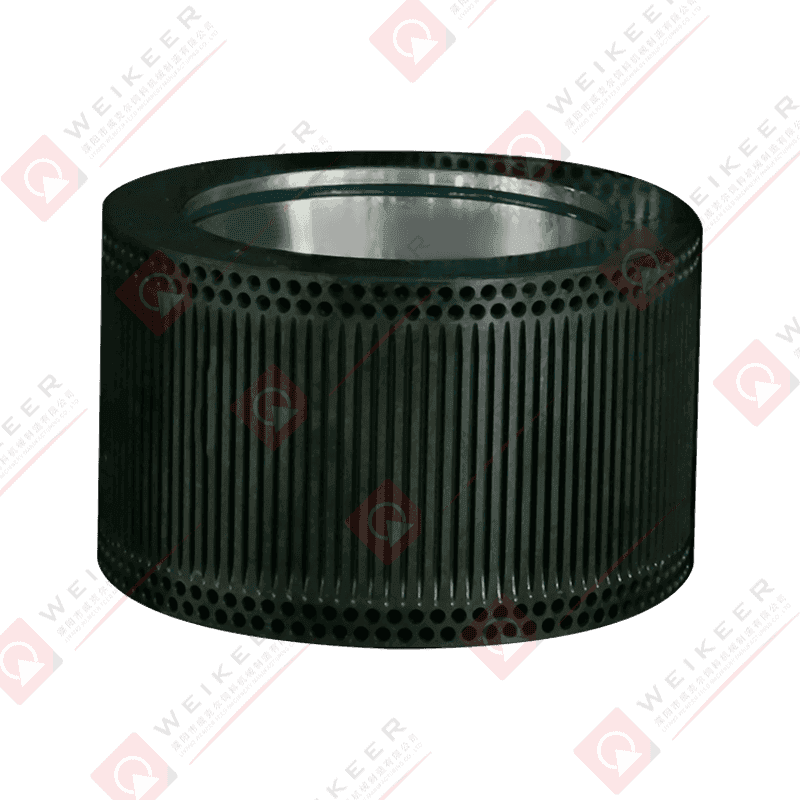
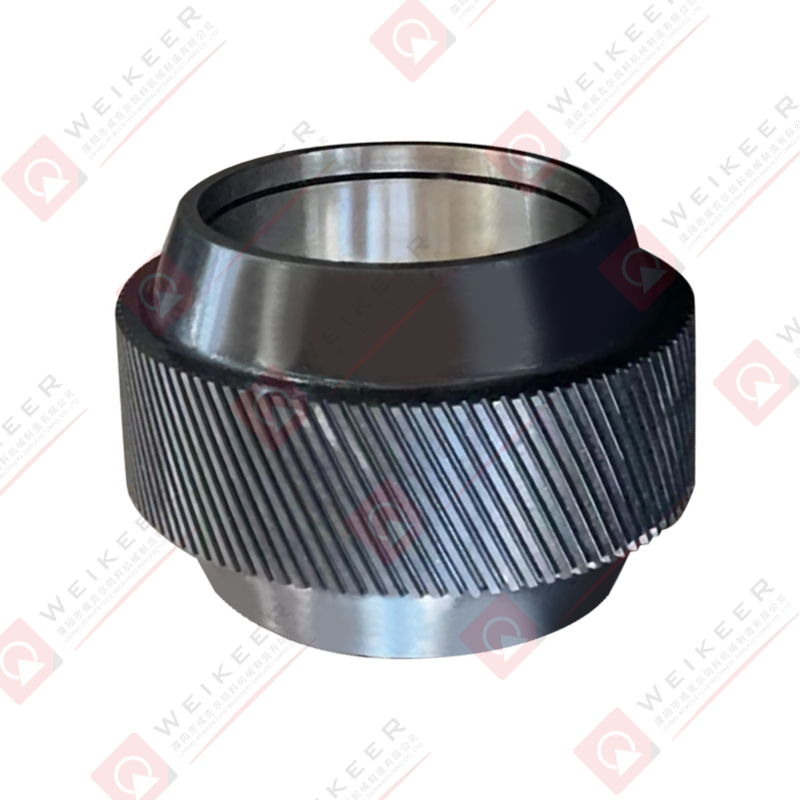
The ring die is the single performance-critical consumable component in any ring die pellet mill. It determines pellet quality, production throughput, energy consumption per ton of output, and the frequency of production interruptions for die replacement. Among the various ring die designs available in the market, the screw type stainless steel ring die represents a specific engineering approach that addresses several limitations of conventional designs — particularly in applications involving corrosive feed materials, hygienic processing requirements, or demanding pellet specifications that require precise, consistent hole geometry maintained over an extended service life. Understanding what distinguishes screw type stainless steel ring dies from alternatives, how their technical parameters affect pellet mill performance, and how to match die specifications to feed material and pellet product requirements is essential knowledge for feed mill engineers, pellet mill operators, and die procurement specialists.
What a Ring Die Is and Its Role in Pellet Mill Operation
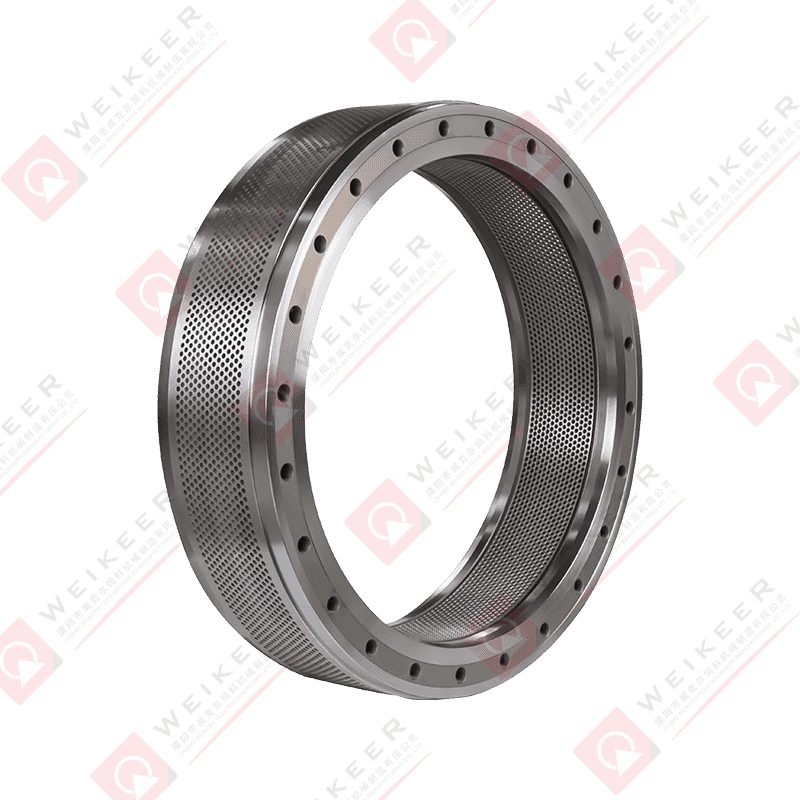
In a ring die pellet mill, the ring die is a large cylindrical component — typically 250 mm to 1,200 mm in diameter depending on the mill size — perforated with hundreds or thousands of precisely drilled holes (the die channels) through which conditioned mash feed is forced under pressure by rotating rollers acting on the die's inner surface. As the feed is compressed through each die channel, it is formed into a dense, cylindrical pellet that emerges from the outer surface and is cut to length by a stationary or rotating knife. The pressure required to force the feed through the channels, the heat generated by friction within the channels, and the residence time of the material in the channel collectively determine the degree of compaction, pellet hardness, pellet durability index (PDI), and fines generation in the finished product.
The ring die's channel geometry — specifically the hole diameter, the effective length of the compression zone (the working length), the inlet countersink or relief angle, and the surface condition of the channel bore — determines the die's resistance to material flow (the compression ratio) and therefore the energy required per ton of pellets produced. Dies with high compression ratios produce harder, denser pellets but require more energy and generate more heat; dies with lower compression ratios flow more freely, producing softer pellets with higher production rates but lower durability. Matching the compression ratio to the feed formulation and target pellet specification is the foundation of die selection and is discussed in detail in the specification section below.
What "Screw Type" Means in Ring Die Design
The designation "screw type" in ring die terminology refers to the method by which the die is secured to the die holder or die shell on the pellet mill — specifically, it indicates a ring die that uses a threaded (screw) connection system rather than a key-and-bolt, flanged, or press-fit connection to attach the die to the rotating die holder assembly. In the screw type design, the outer circumference or one face of the ring die incorporates a precision thread that engages with a corresponding thread on the die holder, allowing the die to be screwed onto the holder and tightened to the specified torque to create a rigid, precisely centered connection that transmits the full rotational and radial loads of the pelletizing process through the thread interface.
The screw type mounting provides several functional advantages over alternative connection methods. The threaded engagement distributes clamping force uniformly around the full circumference of the die-holder interface, minimizing concentrations of stress at discrete fastener points that can cause micro-movement, fretting wear, and dimensional drift at the connection over repeated thermal cycling and load variation. The screw type connection also facilitates more precise centering of the die relative to the die holder — a critical geometric requirement because roller-to-die clearance must be set uniformly around the die's interior circumference to achieve consistent pellet production and avoid localized wear patterns that reduce die life. For stainless steel ring dies in particular, where the higher material cost makes die longevity a more significant economic consideration than for standard alloy steel dies, the precision and stability of the screw type mounting system contributes to the die's productive service life.
Why Stainless Steel for Ring Die Construction
The selection of stainless steel as the material for ring die manufacture is driven by a combination of corrosion resistance, hygienic processing requirements, and specific mechanical performance characteristics that stainless steel offers compared to the alloy tool steels and carbon steels used in conventional ring die production.
Corrosion Resistance for Challenging Feed Materials
Many feed materials processed through pellet mills contain constituents that are corrosive to conventional alloy steel dies under the elevated temperature and pressure conditions inside the die channels. High-moisture feed formulations, feeds containing acidic mineral supplements, fishmeal-based aquafeed formulations, and fermented or hydrolyzed protein ingredients can initiate pitting corrosion and intergranular attack on standard die steels that progressively degrades the channel bore surface quality, increases surface roughness, and accelerates die wear beyond its normal mechanical abrasion rate. Stainless steel ring dies — typically manufactured from austenitic grades such as 304 or 316, or from martensitic precipitation-hardened stainless grades engineered to combine corrosion resistance with high hardness — resist this chemical attack and maintain their channel bore geometry and surface finish for substantially longer in corrosive feed service than conventional steel alternatives.
Hygienic Processing Requirements
In aquafeed, pet food, and certain specialty animal nutrition pellet production where hygienic standards approach food-grade processing requirements, stainless steel ring dies provide the non-reactive, easily cleanable surface that stainless steel's passive oxide layer delivers. Standard alloy steel dies can develop surface rust between production runs or during extended shutdowns, contaminating subsequent feed batches with iron oxide particles and providing colonization sites for microorganisms in the die channels. Stainless steel dies resist this surface oxidation and are compatible with the cleaning and sanitizing agents — typically chlorine-based or quaternary ammonium compound sanitizers — used in hygienic pellet mill maintenance protocols. The regulatory and quality assurance frameworks governing aquafeed and pet food production in many markets increasingly specify or recommend stainless steel contact surfaces for pelleting equipment, making stainless steel ring dies a compliance requirement rather than merely a performance preference in these sectors.
Key Technical Parameters and How They Affect Performance
Selecting the correct stainless steel ring die specification for a specific pellet mill and feed application requires evaluating and specifying a set of interdependent geometric and material parameters that collectively determine the die's compression characteristics, production rate, pellet quality output, and service life.
| Parameter |
Typical Range |
Effect on Performance |
| Hole Diameter |
1.5 – 20 mm |
Determines pellet diameter; affects throughput per hole |
| Effective Length (Working Length) |
20 – 120 mm |
Primary driver of compression ratio and pellet hardness |
| Compression Ratio (L/D) |
4:1 – 20:1 |
Governs pellet density, PDI, energy consumption |
| Inlet Countersink Angle |
30° – 60° included angle |
Controls feed entry angle; affects pressure development rate |
| Relief Zone Length |
5 – 30 mm |
Back-relief allows die regrinding to extend life |
| Open Area (%) |
20% – 35% |
Ratio of hole area to die face area; affects throughput capacity |
| Material Grade |
316SS, 17-4PH, 15-5PH |
Balances corrosion resistance, hardness, and toughness |
| Surface Hardness |
35 – 55 HRC |
Wear resistance of channel bore and die face |
Compression Ratio Selection for Different Feed Types
The compression ratio — expressed as the ratio of the effective working length to the hole diameter (L/D) — is the single important parameter in die specification for a given feed formulation. Feeds with naturally good binding properties, high starch content, or high fat levels require lower compression ratios to produce pellets of acceptable density and durability without excessive energy consumption or overheating in the die channels. Feeds with poor natural binding — high fiber, low starch, or high inclusion of ingredients with hydrophobic surfaces — require higher compression ratios to achieve the contact time and pressure needed for binding to develop. The following guidance provides starting-point L/D ranges for common feed types, which should be refined through pellet quality testing with the actual feed formulation.
- Poultry starter and grower feeds (2–3 mm pellets): L/D 7:1 to 10:1. High starch from grain ingredients provides good natural binding; moderate compression ratio achieves PDI above 90% without overheating the high-starch content, which can cause sticky plugging in high-L/D dies.
- Swine grower feeds (4–6 mm pellets): L/D 8:1 to 12:1. Typically formulated with higher fiber ingredients including by-products; moderate to high compression ratio required to consolidate fibrous particles adequately for acceptable pellet durability.
- Ruminant and cattle feeds (6–10 mm pellets): L/D 6:1 to 9:1. High roughage inclusion from forage by-products; larger hole diameters reduce plugging risk from coarse particles; lower compression ratio relative to pelleted diameter prevents over-pressure at large die openings.
- Aquafeed and shrimp feed (1.5–4 mm pellets): L/D 10:1 to 18:1 for floating pellets; 12:1 to 20:1 for sinking pellets. Aquatic feed requires the pellet density and water stability, demanding the compression ratios and stainless steel die construction for corrosion resistance against fishmeal and marine ingredient-based formulations.
- Pet food (dry kibble, 8–15 mm): L/D 5:1 to 8:1 for conventional extrusion-then-cut processes; for ring die pellet mills producing dense pet food pellets, L/D 8:1 to 12:1 is typical. Stainless steel construction is preferred for regulatory compliance and hygienic processing standards in pet food manufacturing.
Stainless Steel Grade Selection for Ring Die Applications
Not all stainless steel grades are suitable for ring die manufacture — the material must balance corrosion resistance with the high hardness and toughness required to withstand the severe mechanical loading, abrasion from feed particles, and thermal cycling of continuous pellet mill operation. Several stainless steel grades are used in ring die production, each with a specific performance profile.
- 316 Stainless Steel (austenitic): Provides corrosion resistance including resistance to chloride-containing cleaning agents and acidic feed ingredients, but achieves only moderate hardness (typically 25 to 35 HRC after cold working) compared to precipitation hardened or tool steel grades. Best suited for low-abrasion feed formulations where corrosion resistance is the primary requirement — aquafeed with high salt or marine ingredient content, hygienic pet food processing, or mineral supplement pellets. Not the choice for highly abrasive feed materials such as high-silica grain sorghum or feeds with high mineral ash content.
- 17-4PH Stainless Steel (precipitation hardened): The widely specified grade for high-performance stainless steel ring dies. After solution annealing and age hardening treatment (H900 or H1025 condition), 17-4PH achieves hardness values of 38 to 45 HRC while retaining good corrosion resistance to standard martensitic stainless grades. This combination of hardness and corrosion resistance makes 17-4PH the preferred material for demanding pellet mill applications involving both abrasive feed materials and corrosive ingredient constituents — the balance point between the two competing requirements that conventional austenitic or carbon steel grades cannot achieve simultaneously.
- 15-5PH Stainless Steel (precipitation hardened): Similar performance profile to 17-4PH but with improved toughness and transverse ductility, making it preferred for large-diameter ring dies where the risk of catastrophic fracture under impact loading — from a foreign body entering the pellet mill — is higher due to the greater stored elastic energy in the larger mass die. Used in premium large-format ring dies for high-capacity pellet mills in the aquafeed and specialty feed sectors where both die longevity and safety against brittle fracture are priorities.
Die Conditioning, Break-In, and Maintenance Practices
A new stainless steel ring die — regardless of how precisely it has been manufactured — requires a controlled break-in procedure before it reaches its optimum production performance and before the channel bore surfaces have developed the microscopic surface conditioning that gives a run-in die its pellet release characteristics compared to a brand-new die with machined but unworn channels.
The standard break-in procedure involves running the die for several hours with a conditioning mixture — typically the production feed formulation mixed with an elevated level of added fat (3 to 5% added oil) and sometimes a proportion of fine wood shavings or rice hulls as a mild abrasive polishing agent — at reduced throughput rate and with slightly looser roller-to-die gap than the production setting. This initial running polishes the channel bore surface, removes microscopic burrs left by the drilling process, and develops a work-hardened surface layer in the compression zone that provides improved wear resistance compared to the as-machined surface. Rushing or omitting the break-in procedure on a new stainless steel ring die — which is more expensive than a standard alloy steel die — is a false economy that results in inferior initial pellet quality, higher early-life wear rates, and potentially shortened overall die service life.
- Storage between production runs: Fill die channels completely with a fat-rich blocking mixture (typically 50% fine bran and 50% edible fat) before shutdown to prevent channel plugging from feed solidification during cooling. Stainless steel dies are more resistant to rust during storage than conventional steel dies, but the blocking mixture also prevents feed residue from drying and hardening in the channels — a situation that causes die cracking during the next startup if the blocked channels resist roller pressure while adjacent channels flow freely.
- Die face regrinding: As the die face wears from roller contact, the effective working length of the die channels increases (as material is removed from the inlet face) while the relief zone is consumed from the outlet face. Dies with adequate relief zone depth can be reground on the inlet face to restore the original roller-contact geometry while maintaining the specified effective working length — extending die service life beyond what is possible with dies that have no relief zone. Schedule regrinding based on die face wear measurement rather than fixed interval; stainless steel dies typically exhibit slower face wear than alloy steel dies in equivalent service.
- Channel bore inspection: Periodically measure channel bore diameter at inlet, mid-point, and outlet using a go/no-go gauge or pin gauge set calibrated to the original specification. Progressive bore enlargement from abrasive wear indicates the die is approaching end of useful life for the target pellet diameter specification; the rate of bore enlargement provides data for predicting remaining die life and scheduling replacement to avoid producing out-of-specification pellets.
Evaluating Die Suppliers: What to Verify Before Purchase
The market for replacement ring dies — including stainless steel screw type designs — includes suppliers ranging from OEM-equivalent quality manufacturers with full dimensional certification to commodity suppliers producing dies with inconsistent material quality, imprecise hole drilling, and poor heat treatment control. Investing in evaluation of die supplier quality before committing to a purchase decision is essential, particularly for stainless steel dies where the higher unit cost makes quality consistency a more significant economic risk than with lower-cost standard steel alternatives.
- Request material certification with heat number traceability: A quality stainless steel ring die should be accompanied by a mill test certificate confirming the steel grade's chemical composition and mechanical properties, with heat number traceability linking the certificate to the specific material used in die production. Dies sold without material certification should be treated with significant skepticism — downgraded material substitution (17-4PH replaced with a lower-grade stainless that was not age-hardened, for example) is undetectable by visual inspection and produces dies with substantially inferior wear performance.
- Verify hardness on each die received: Request Rockwell hardness testing on each die at the point of receipt, or conduct testing yourself using a portable hardness tester. Compare measured hardness against the supplier's specification for the specified stainless steel grade and heat treatment condition. A 17-4PH die that has not been properly age-hardened will measure significantly below the specified HRC value — a defect that is impossible to detect by dimensional or visual inspection but catastrophically reduces wear life in service.
- Check dimensional consistency of hole pattern: Measure hole diameter, pitch, and working length on a sample of channels across the die face — at the center, edges, and at multiple angular positions. High-quality dies exhibit tight dimensional consistency (hole diameter tolerance typically ±0.02 mm for precision aquafeed dies, ±0.05 mm for general feed dies) across all channels. Dies with significant hole-to-hole dimensional variation produce pellets with inconsistent diameter and density, accelerate non-uniform wear patterns, and can cause differential roller loading that destabilizes the pellet mill mechanically.
The screw type stainless steel ring die represents a premium engineering solution for pellet mill operations where standard alloy steel dies fall short — whether due to corrosive feed constituents, hygienic processing requirements, demanding pellet quality specifications, or the need for extended die service life in high-throughput continuous production. The investment in correct die specification, controlled break-in, disciplined maintenance, and rigorous incoming quality verification consistently returns value that exceeds the die's cost premium over commodity alternatives through reduced downtime, improved pellet quality consistency, and lower die cost per ton of finished product over the die's full productive service life.



 русский
 Español
 عربى
عربى 中文简体
中文简体