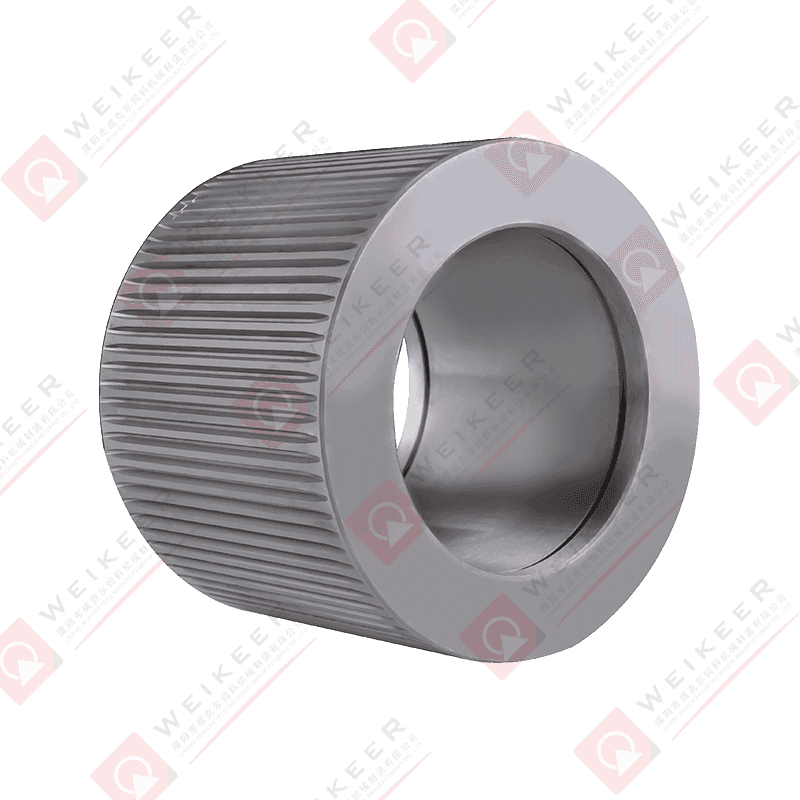
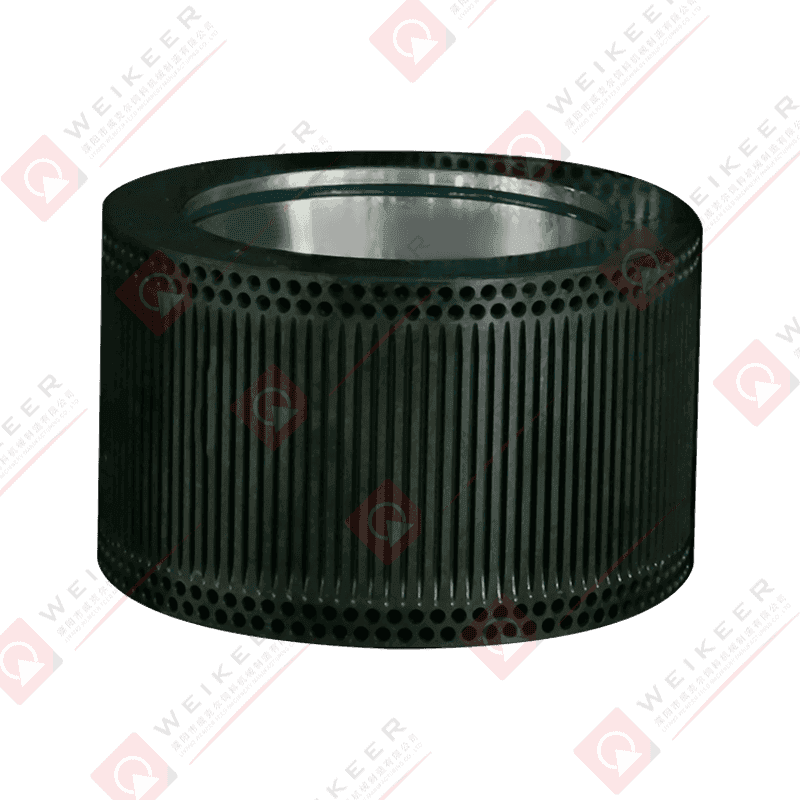
What Is a Screw Type Stainless Steel Ring Die Pellet Mill
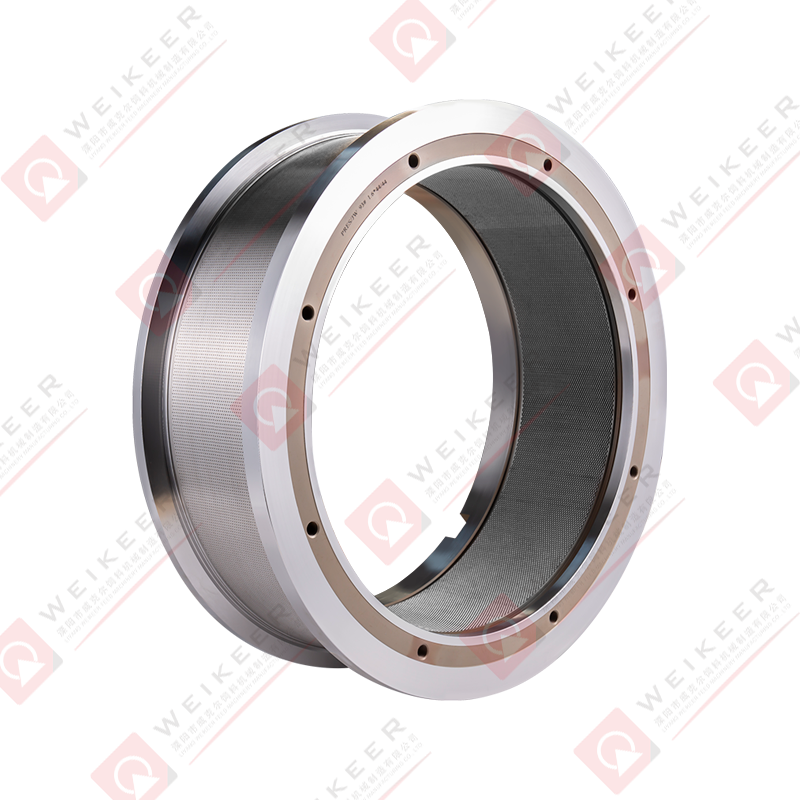
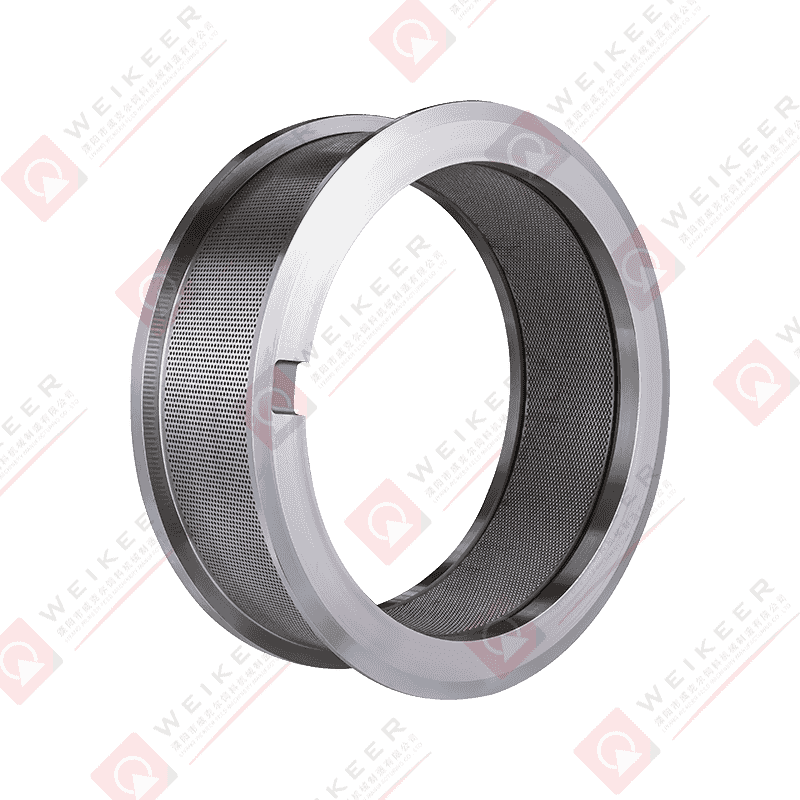
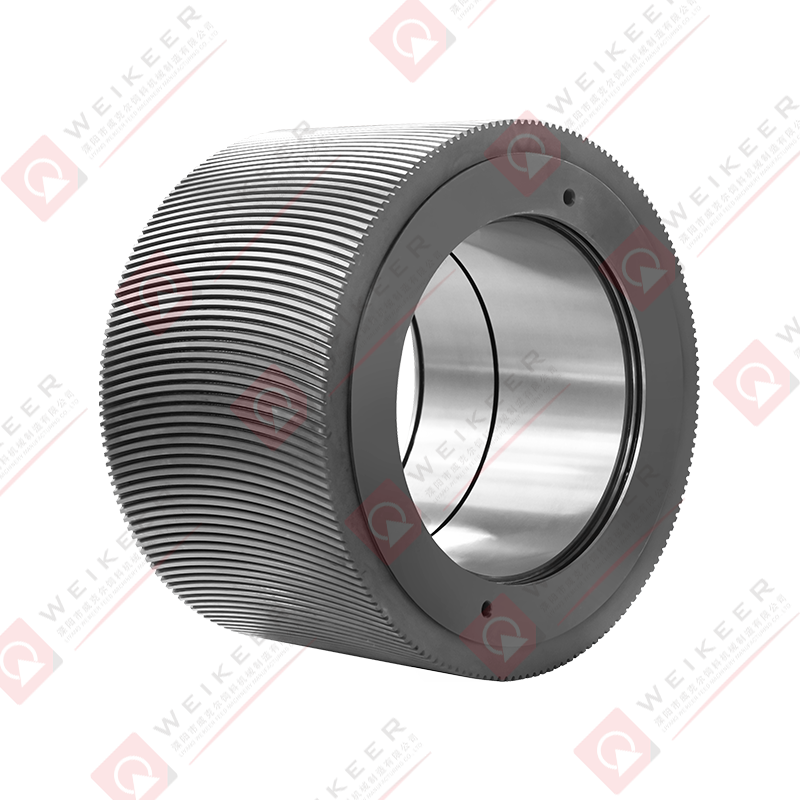
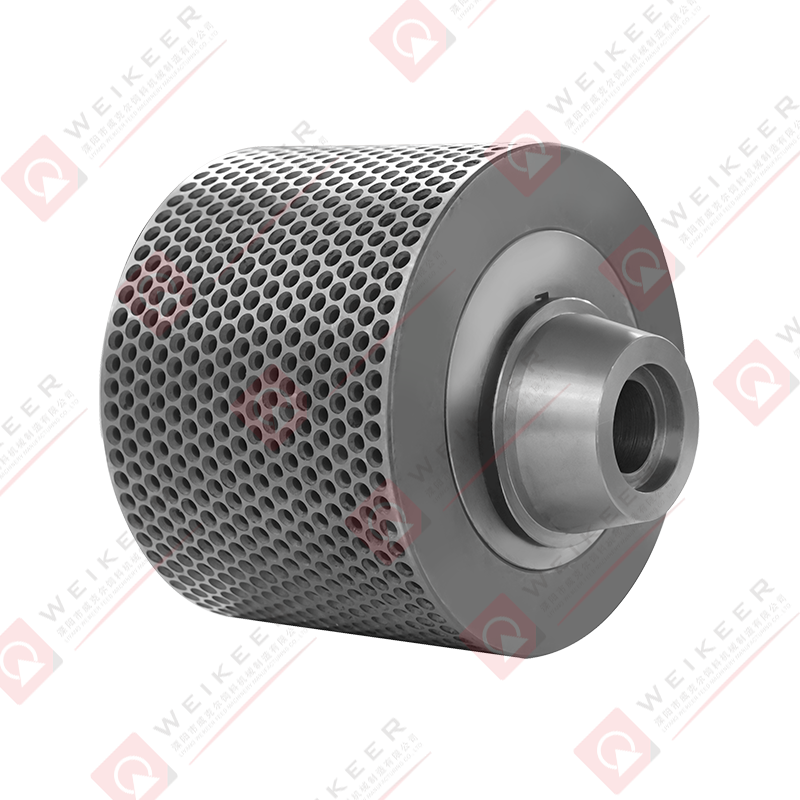
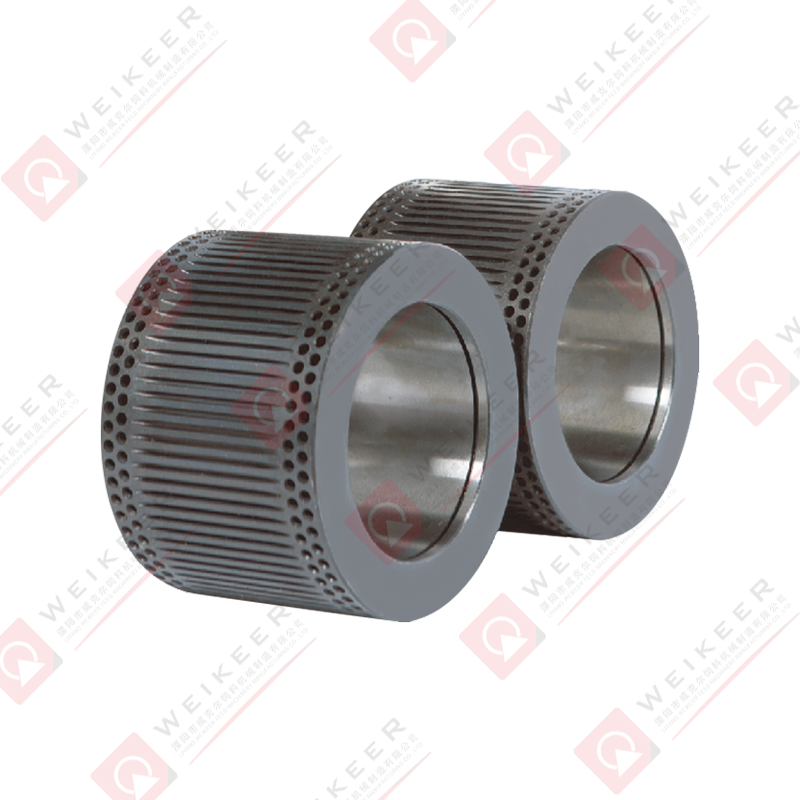
A screw type stainless steel ring die pellet mill is a piece of processing equipment that compresses loose, granular, or fibrous raw materials into dense, uniform pellets using a rotating ring die and pressure rollers. The "screw type" designation refers to the feeding mechanism, which uses a rotating screw conveyor to continuously and evenly deliver raw material into the pelletizing chamber, ensuring a steady material flow that improves pellet consistency and production efficiency. The stainless steel ring die itself is the perforated, cylindrical component through which material is forced under pressure, shaping it into cylindrical pellets as it exits through precisely sized holes.
Stainless steel is specifically chosen for the ring die construction because of its resistance to corrosion, wear, and the high mechanical stress generated during the pelletizing process. This makes the equipment suitable for processing a wide range of materials, including animal feed, wood biomass, and organic fertilizers, many of which contain moisture or acidic compounds that would quickly degrade lower-grade metal components.
How the Screw Feeding System Works
The screw feeding mechanism plays a critical role in ensuring consistent pellet quality by regulating the rate at which raw material enters the pelletizing chamber. As the screw rotates, it draws material from the hopper and pushes it forward at a controlled, adjustable speed, preventing the uneven feeding that can cause fluctuations in pellet density and diameter. This continuous feeding action also helps reduce bridging or clumping of raw material, a common issue in gravity-fed systems, particularly when processing fibrous or moisture-sensitive materials.
Benefits of Screw Feeding
- Consistent material flow: Reduces variability in pellet size and density caused by uneven feeding.
- Adjustable feed rate: Allows operators to fine-tune throughput based on material characteristics and desired output.
- Reduced clogging: Minimizes the risk of material bridging or jamming within the feeding hopper.
- Improved efficiency: Supports higher and more stable production rates compared to manual or gravity feeding systems.
The Role of the Stainless Steel Ring Die
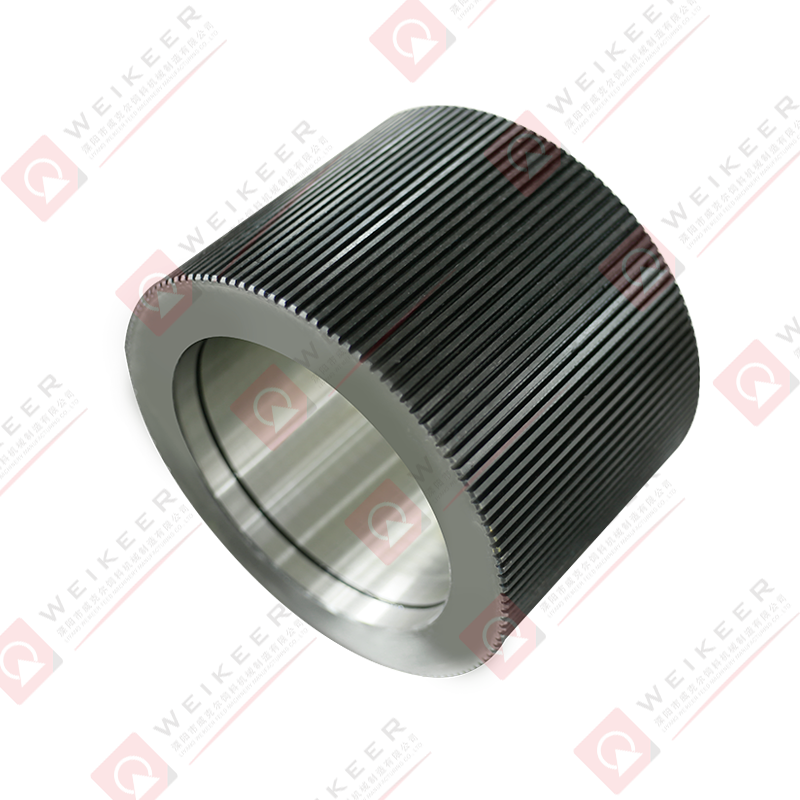
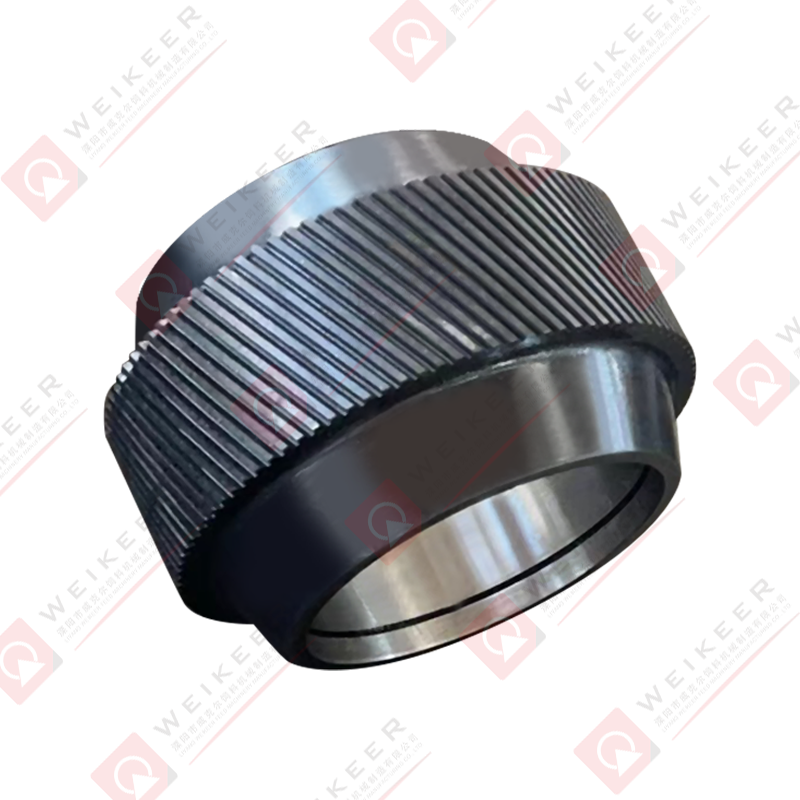
The ring die is the component responsible for shaping raw material into finished pellets. As material is fed into the pelletizing chamber, rotating pressure rollers press it against the inner surface of the stationary or rotating ring die, forcing it through a series of precisely drilled holes. The friction and pressure generated during this process cause a slight temperature increase, which helps bind the material together and produce a firm, durable pellet once it exits and cools.
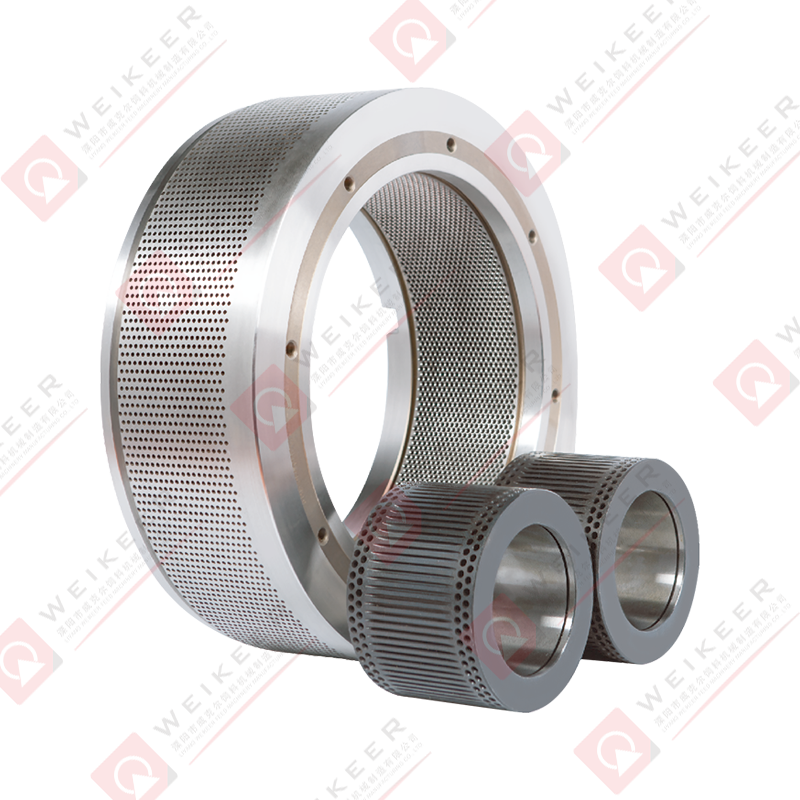
Stainless steel ring dies are typically favored over standard alloy steel dies in applications involving corrosive or moisture-heavy materials, such as certain organic fertilizers or specific biomass feedstocks. While stainless steel dies may come at a higher initial cost, their extended service life and resistance to pitting or rust often make them a more economical choice over the long term for these specific applications.
Comparing Ring Die Materials
Pellet mill ring dies are manufactured from several different materials, each offering different levels of durability, corrosion resistance, and cost. The table below compares common die materials used across the industry.
| Material |
Corrosion Resistance |
Best Suited For |
| Stainless Steel |
High |
Moist feed, fertilizers, corrosive materials |
| Alloy Steel |
Moderate |
Standard animal feed, general biomass |
| Carbon Steel |
Low |
Dry, non-corrosive materials, budget operations |
Common Applications of Screw Type Ring Die Pellet Mills
Screw type stainless steel ring die pellet mills are widely used in the animal feed industry to produce uniform feed pellets for livestock, poultry, and aquaculture operations. The consistent pellet size and density produced by these machines improve feed digestibility and reduce waste compared to loose or unprocessed feed materials.
In the biomass energy sector, these pellet mills are used to convert wood shavings, sawdust, and agricultural residues into wood pellets used for heating and industrial fuel applications. The organic fertilizer industry also relies on this equipment to compress composted materials, manure, and other organic matter into pellets that are easier to store, transport, and apply to fields. Additionally, some specialty applications use these machines to process materials for pet food and aquatic feed production, where precise pellet size directly affects product quality.
Key Factors When Selecting a Pellet Mill
Selecting the right screw type stainless steel ring die pellet mill requires evaluating several operational factors to ensure the equipment matches production needs. Production capacity, typically measured in tons per hour, should align with anticipated output requirements while allowing some flexibility for future growth.
Important Selection Criteria
- Die hole diameter: Determines the final pellet size and must match the intended end-use application.
- Compression ratio: Affects pellet density and durability, with higher ratios generally producing firmer pellets.
- Motor power: Should be sufficient to handle the material density and desired throughput without overloading.
- Die material: Stainless steel is preferable for moist or corrosive materials, while alloy steel may suffice for drier applications.
- Ease of maintenance: Consider how easily the ring die and rollers can be accessed for cleaning and replacement.
Working closely with equipment manufacturers to review specifications against actual raw material samples can help ensure the selected pellet mill delivers consistent performance and pellet quality once installed in a production environment.



 русский
 Español
 عربى
عربى 中文简体
中文简体