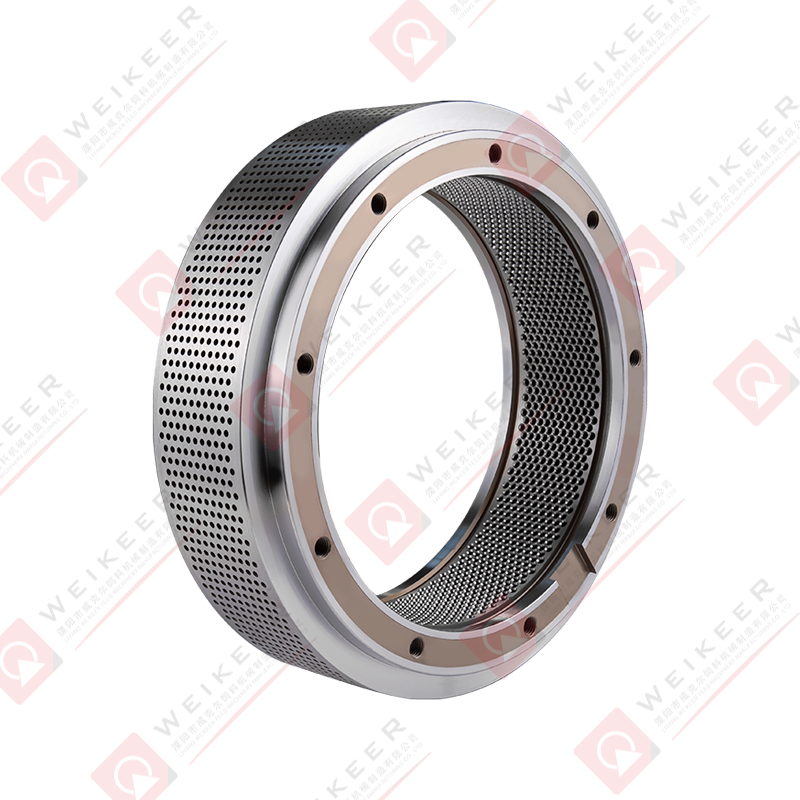
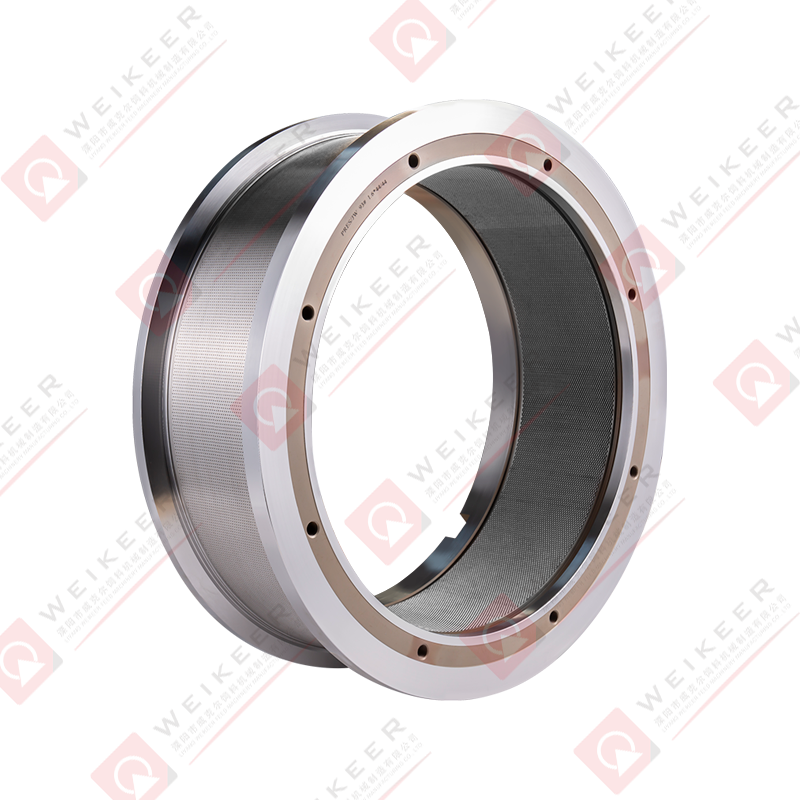
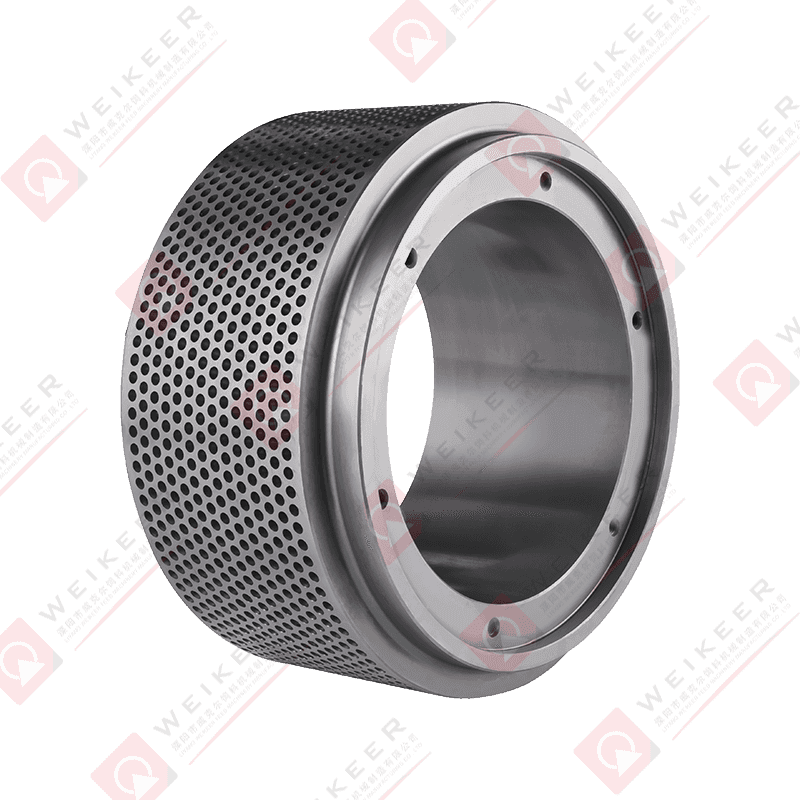
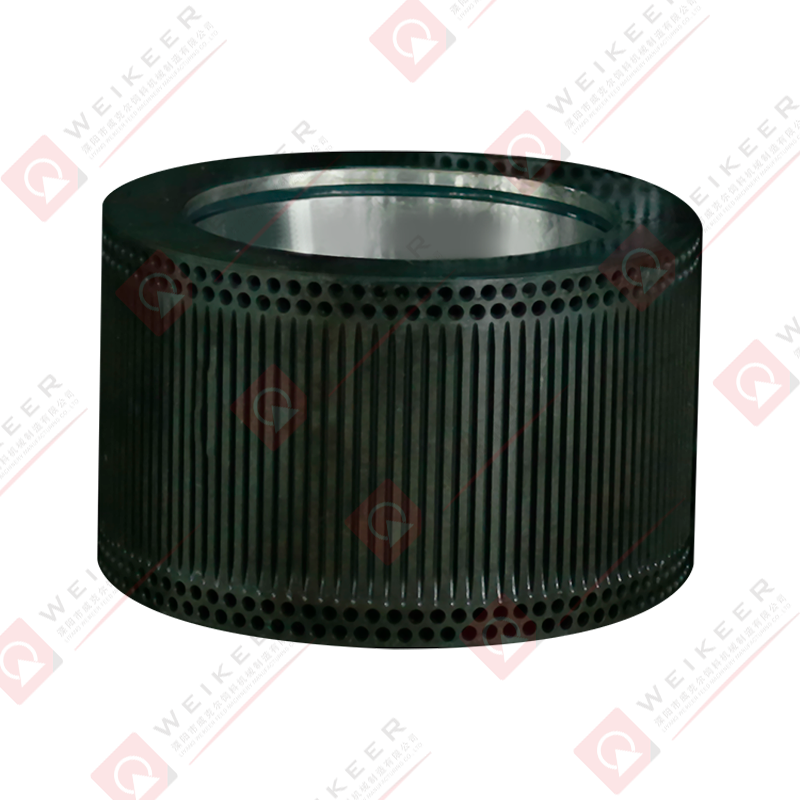
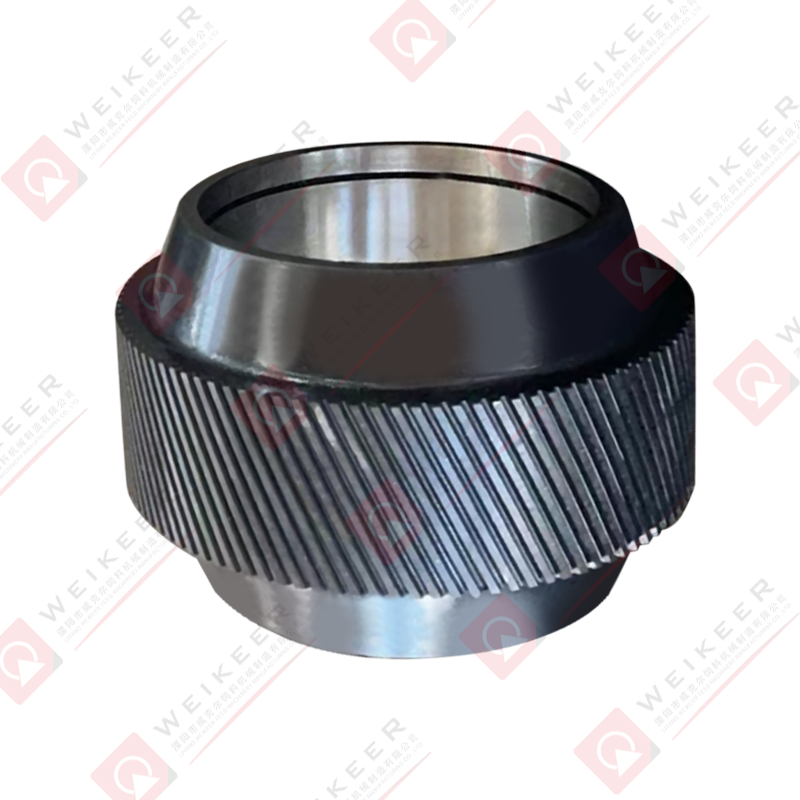
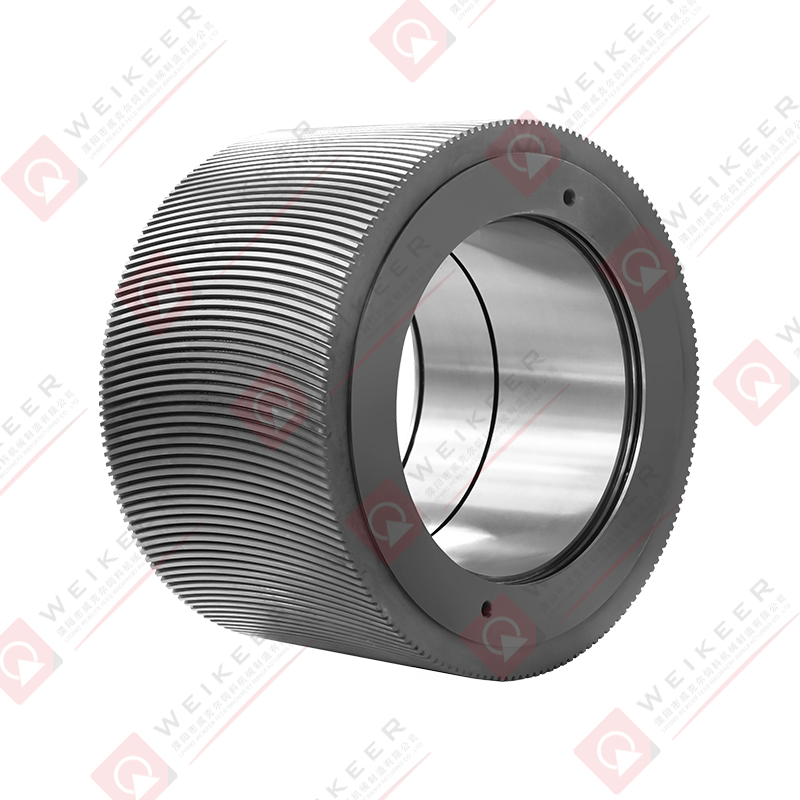
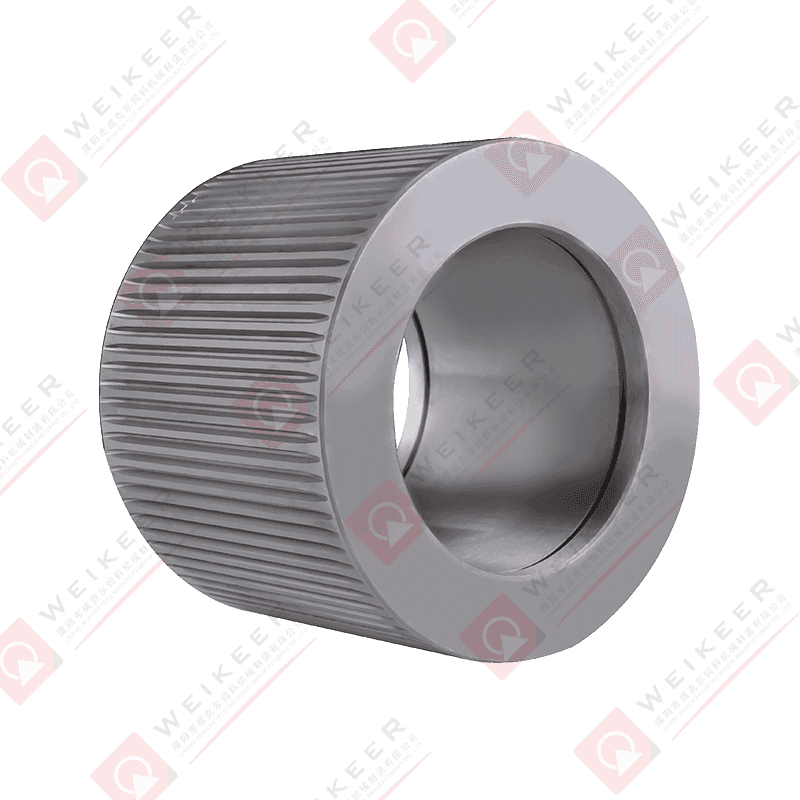
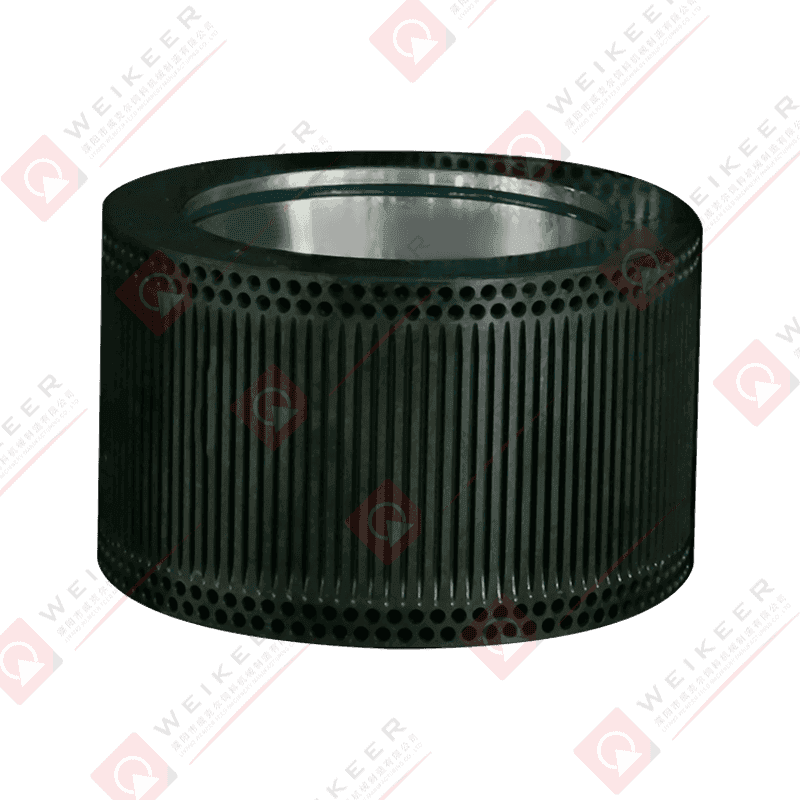
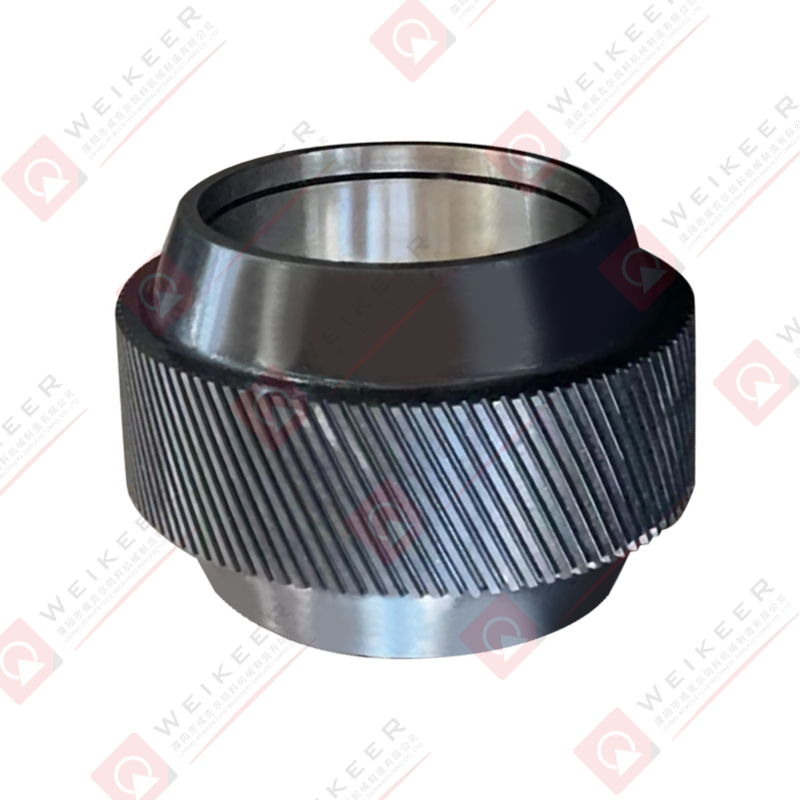
Stainless steel ring dies are essential components in pellet mill machinery, used to compress raw materials such as animal feed, wood biomass, and various industrial powders into uniform pellets. The die's quality, design, and material composition directly affect pellet consistency, production efficiency, and how frequently the equipment requires maintenance or replacement. This guide explains how ring dies function, what makes stainless steel a preferred material for many applications, and how to select the right specifications for a given pelletizing operation.
What a Ring Die Does in the Pelletizing Process
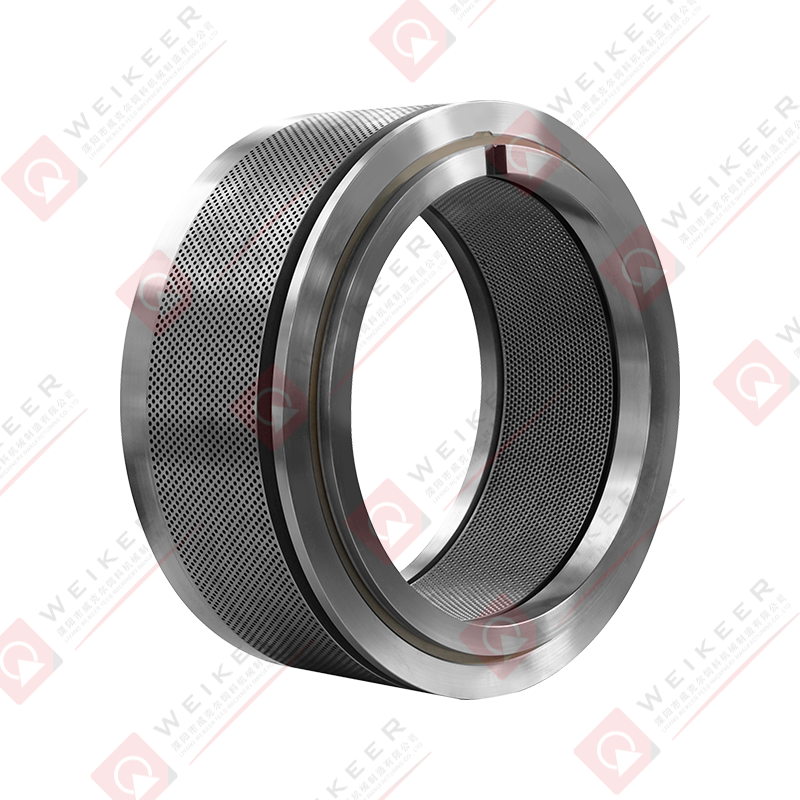
A ring die is a cylindrical, perforated component that sits at the core of a pellet mill, working alongside rotating rollers to compress loose material through a series of precisely sized holes. As raw material, whether wood shavings, animal feed ingredients, or other bulk materials, enters the pellet mill chamber, the rollers press it against the inner surface of the ring die with significant force, pushing the material through the die's holes and forming it into dense, cylindrical pellets.
The die's hole diameter, length, and internal geometry determine the final pellet's diameter and density, making the ring die one of the critical components affecting final product quality. As material passes through the die, friction generates substantial heat, which actually helps bind certain materials together through natural lignin activation in wood-based products, though this same heat and pressure also subjects the die to significant wear over time.
Why Stainless Steel Is Used for Ring Die Construction
Ring dies operate under mechanical stress, constant friction, and often corrosive conditions depending on the material being processed, which is why manufacturers rely on specific high-strength stainless steel alloys rather than standard carbon steel for this component.
Corrosion Resistance
Many materials processed through pellet mills, particularly certain animal feed formulations containing salts or acidic additives, can accelerate corrosion in standard steel components. Stainless steel's chromium oxide layer provides ongoing protection against this type of chemical degradation, extending the die's usable lifespan.
Wear Resistance
The constant friction between raw material and the die's internal surfaces gradually wears away metal over time, particularly around the hole edges where material is compressed intensely. High-quality stainless steel alloys used in ring die manufacturing are specifically formulated to resist this abrasive wear better than standard steel grades.
Hygiene and Contamination Control
For food-grade and animal feed applications, stainless steel's non-reactive, easily cleaned surface helps prevent contamination and meets sanitary requirements common in food and feed processing industries, where equipment must be regularly sanitized without degrading over repeated cleaning cycles.
Common Steel Grades Used in Ring Die Manufacturing
Different steel alloys offer varying balances of hardness, corrosion resistance, and cost, making grade selection an important consideration based on the specific application and material being processed.
| Steel Grade |
Key Characteristics |
Typical Application |
| Carbon Steel |
High wear resistance, lower cost |
Wood pellet production |
| Stainless Steel (420 series) |
Good hardness with corrosion resistance |
Animal feed, general pelletizing |
| Stainless Steel (316 series) |
Superior corrosion resistance |
Food-grade, high-moisture materials |
| Alloy Steel |
Enhanced hardness and toughness |
High-volume industrial pelletizing |
While carbon steel remains common in standard wood pellet production due to its cost-effectiveness and adequate wear resistance for that application, operations processing feed with corrosive additives or requiring food-grade hygiene standards typically justify the added cost of stainless steel construction through extended die life and reduced contamination risk.
Key Specifications to Consider When Selecting a Ring Die
Choosing the appropriate ring die involves matching several technical specifications to both the raw material being processed and the pellet mill equipment itself.
Compression Ratio
The compression ratio, which describes the relationship between the die's hole diameter and its effective length, directly affects pellet density and the amount of pressure required to force material through the die. Materials with different moisture content and fiber structure typically require different compression ratios to produce well-formed, durable pellets.
Hole Diameter
The die's hole diameter determines the final pellet's diameter, which must match the intended end use, whether that's a specific animal feed size requirement or a wood pellet diameter standard for heating applications.
Die Thickness and Working Length
Thicker dies with longer working lengths generally produce denser, more durable pellets but require greater pressure and energy input from the pellet mill, which must be balanced against the equipment's power capacity and desired production throughput.
Common Applications for Stainless Steel Ring Dies
Stainless steel ring dies serve a variety of pelletizing applications across different industries where corrosion resistance or hygiene standards are a priority.
- Animal feed production, including poultry, livestock, and aquaculture feed
- Food-grade pellet production requiring strict sanitation standards
- Fertilizer and agricultural chemical pelletizing
- Pharmaceutical and nutraceutical tablet or pellet manufacturing
- Specialty biomass materials with corrosive or high-moisture properties
Aquaculture feed production in particular often relies on stainless steel dies due to the specific formulations involved, which frequently include fish oils, salts, and other ingredients that can accelerate corrosion in standard carbon steel equipment over repeated production cycles.
Maintenance Practices That Extend Ring Die Lifespan
Proper maintenance significantly affects how long a ring die remains productive before requiring replacement or reconditioning. Regular cleaning after each production run helps prevent residual material from hardening inside the die holes, which can restrict flow and increase wear during the next operating cycle.
Monitoring hole wear patterns over time allows operators to identify when a die is approaching the end of its usable life, since worn holes gradually enlarge and produce inconsistent pellet quality even before complete failure occurs. Many operators also rotate between multiple dies in high-volume operations, allowing each die periodic rest between production runs, which can help distribute wear more evenly and extend overall service life across the equipment fleet. Following the pellet mill manufacturer's recommended break-in procedures for new dies is equally important, since improper initial use can cause premature wear or even structural damage before the die reaches its expected operational lifespan.



 русский
 Español
 عربى
عربى 中文简体
中文简体