What Is an Anchor Ring Die and How Does It Fit Into a Pellet Mill?
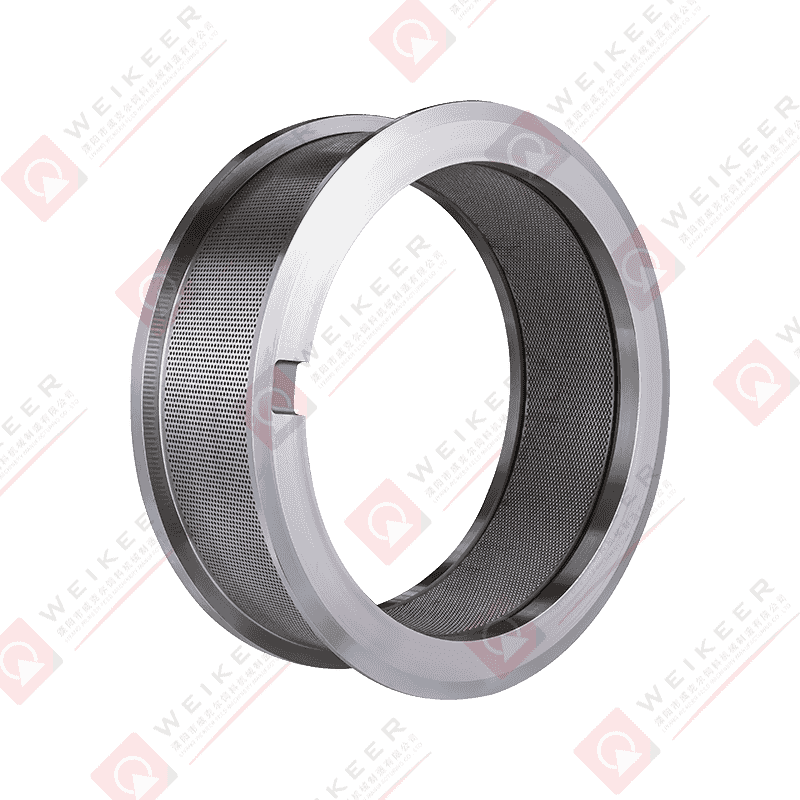
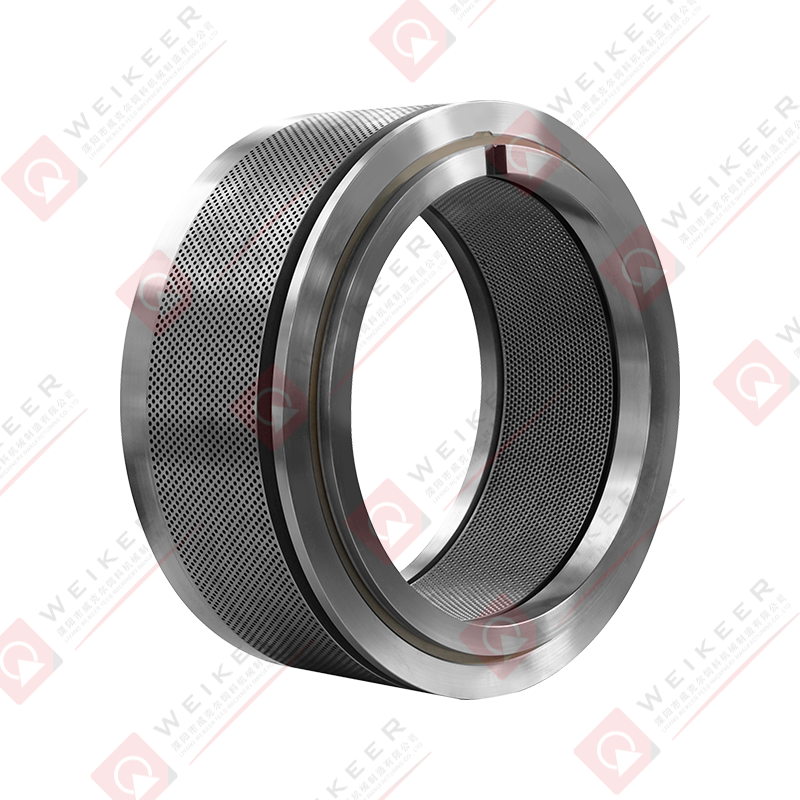
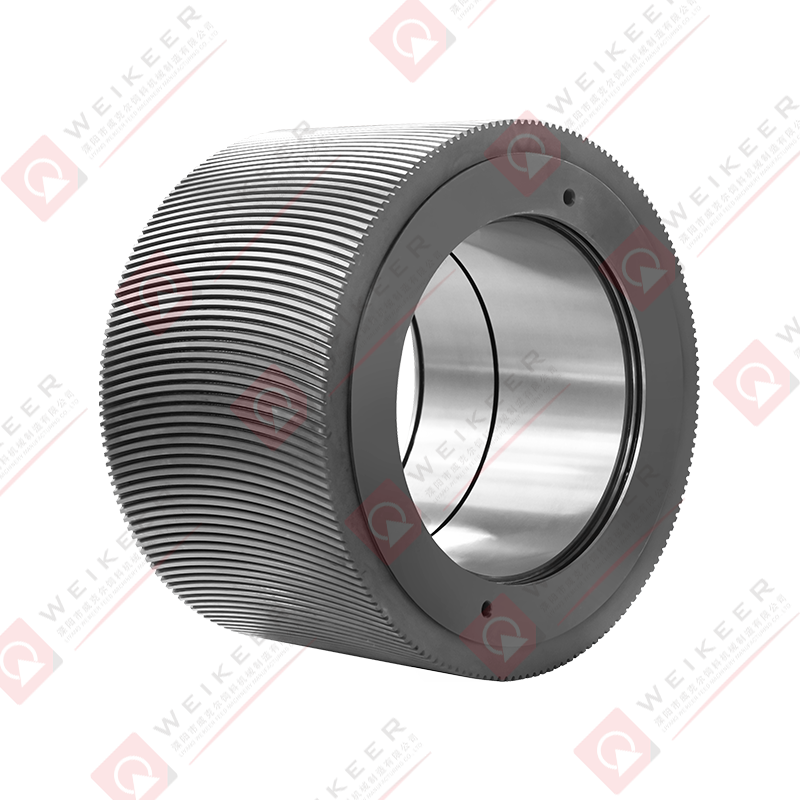
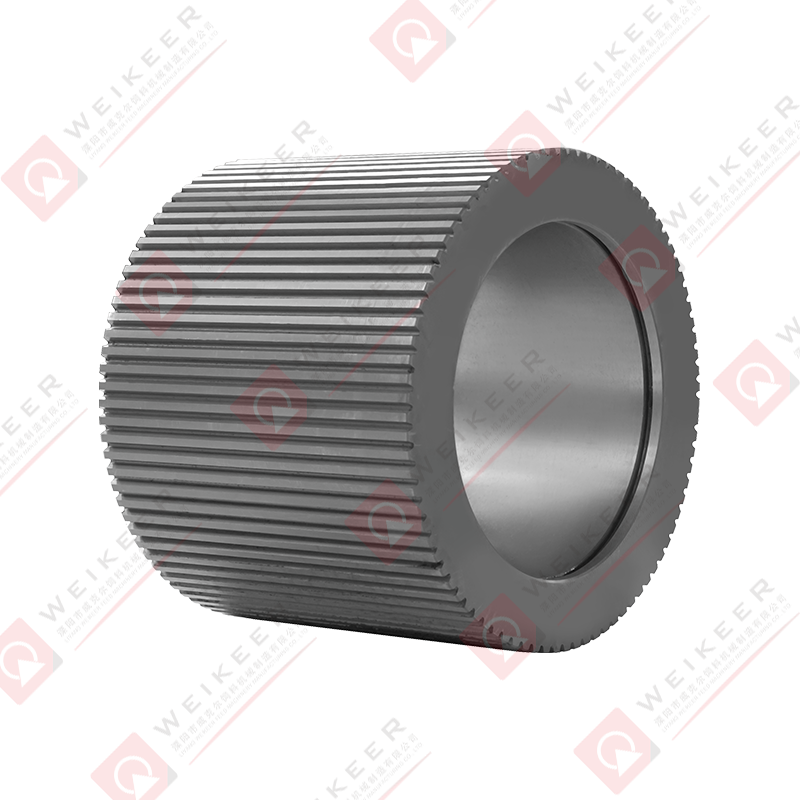
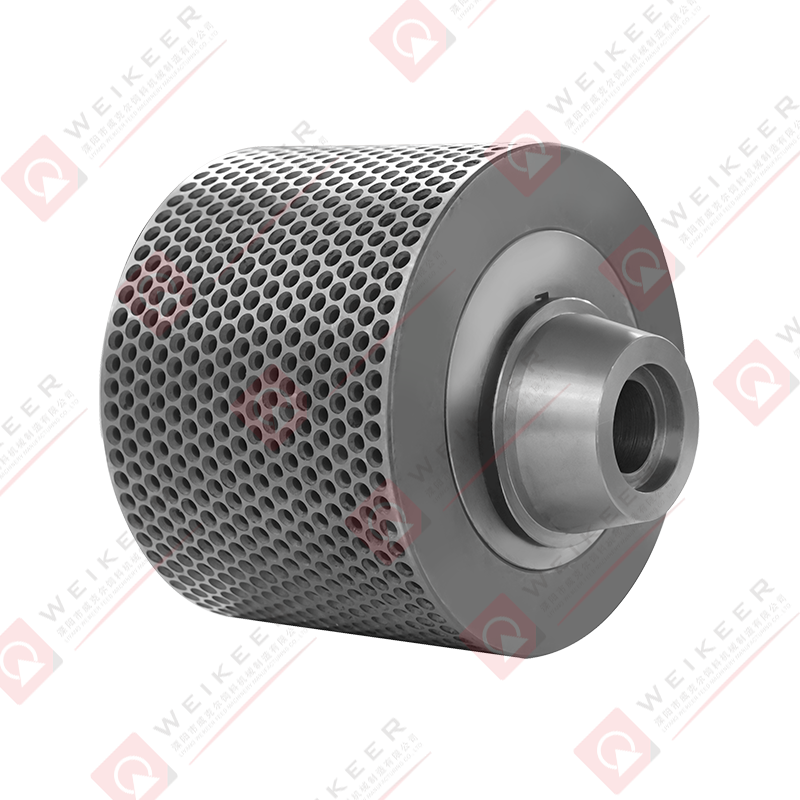
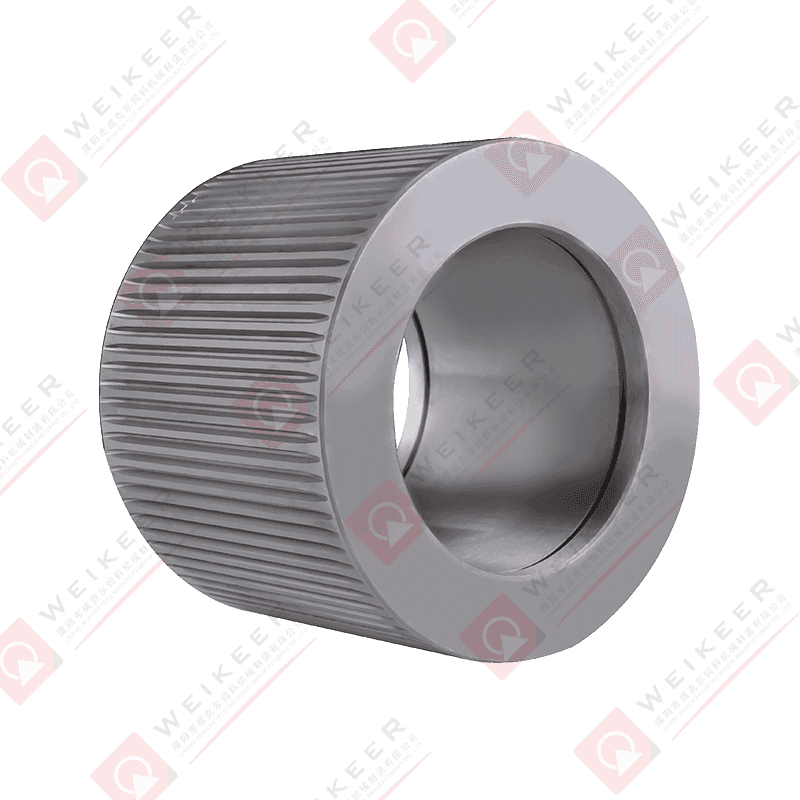
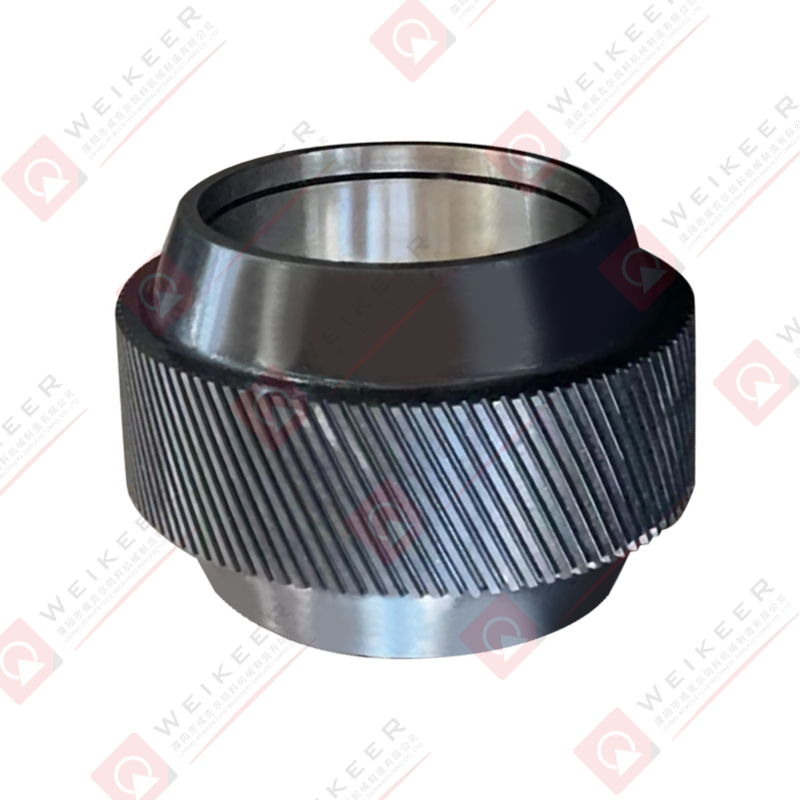
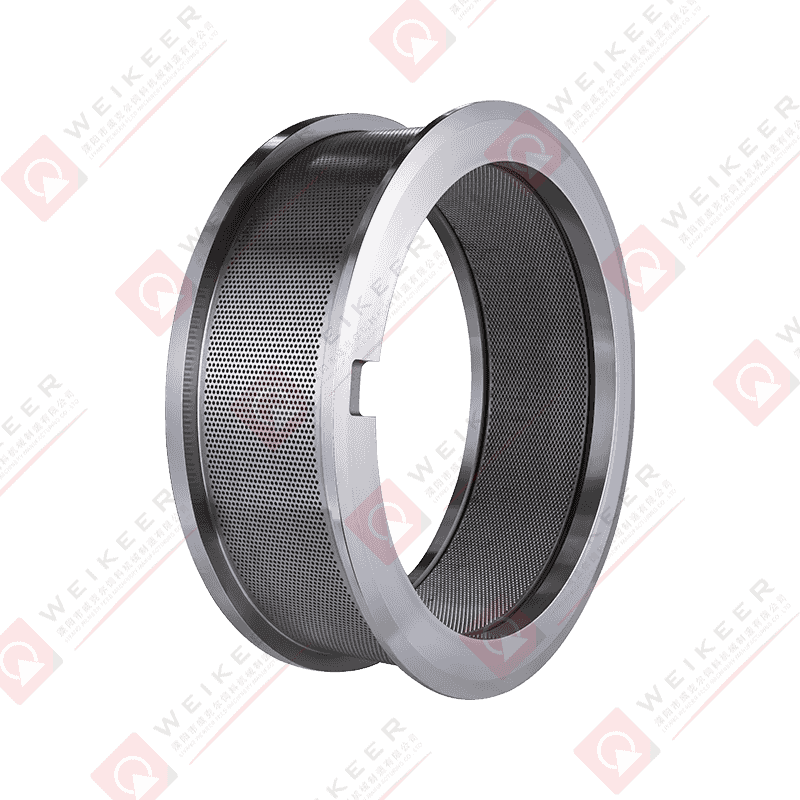
An anchor ring die — also referred to as a ring die or annular die — is the core forming component of a ring die pellet mill. It is a thick, cylindrical steel ring with hundreds of precision-drilled radial holes, known as die holes or channels, through which raw material is forced under pressure to form pellets. In the context of cat litter pellet mills, the anchor ring die is the component that directly determines the shape, diameter, length, density, and surface quality of every pellet produced. Without the ring die, the pellet mill is simply a machine with no ability to form its output material — the die is not a peripheral component but the functional heart of the entire pelletizing process.
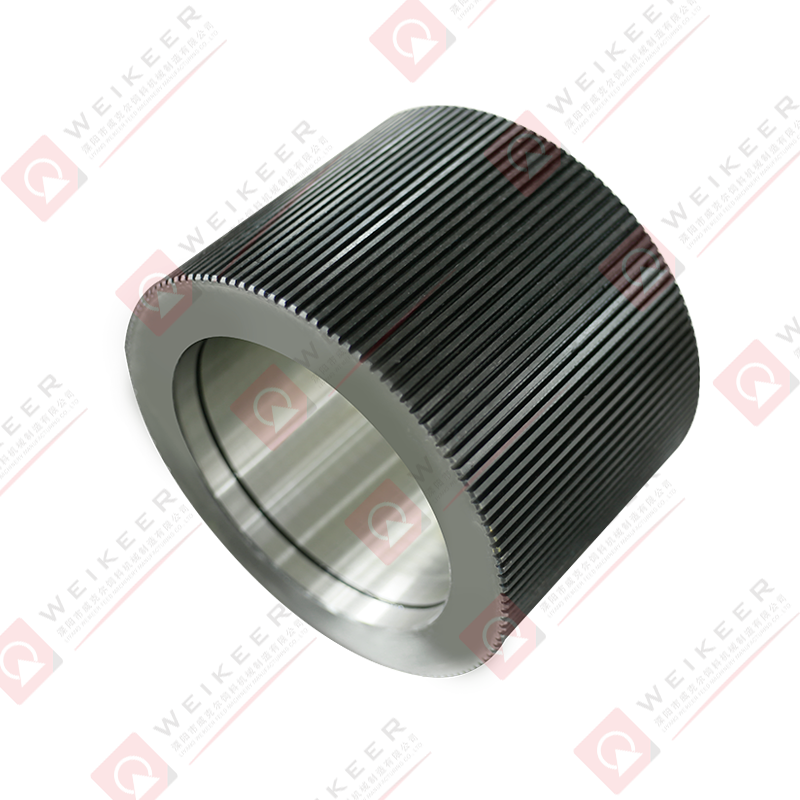
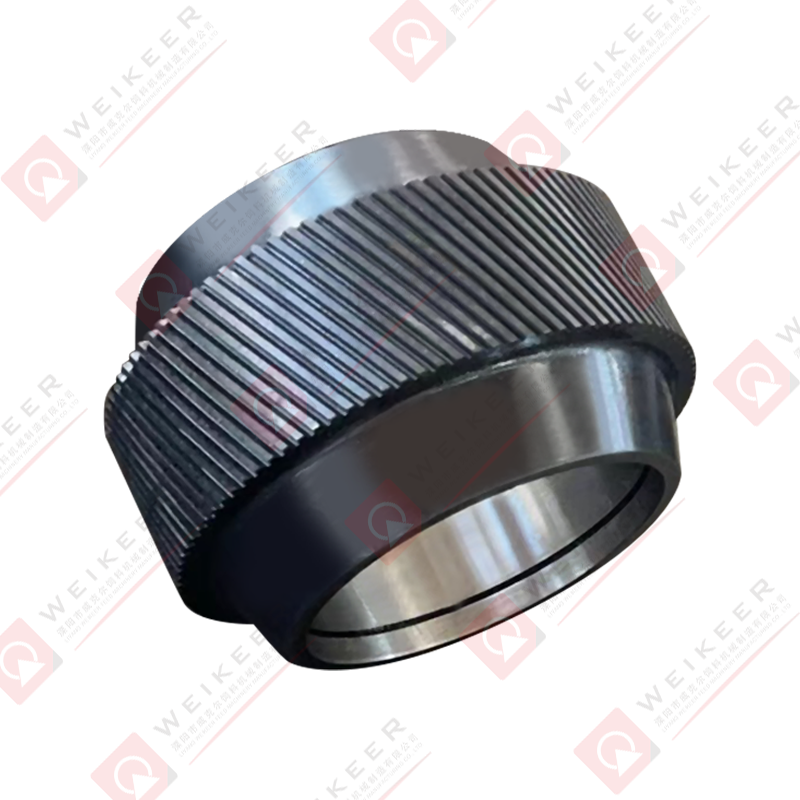
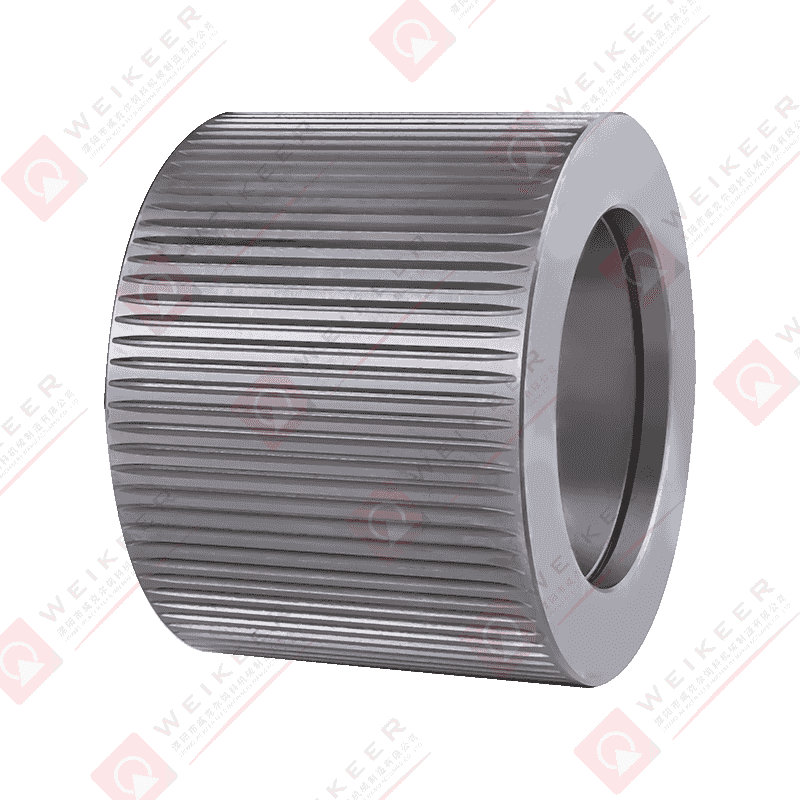
In a ring die pellet mill, the raw cat litter material — which may be bentonite clay, silica, wood fiber, paper pulp, corn cob, tofu soy residue, or other absorbent base materials — is fed into the interior of the rotating ring die. A set of press rollers positioned inside the ring die compress the material against the inner surface of the die, forcing it through the die holes from the inside outward. As the material passes through each hole under high pressure, it is compacted, shaped, and extruded as a continuous rod of pellet material that is cut to the desired length by a stationary cutting blade positioned outside the die ring. The anchor ring die must withstand enormous radial compressive forces, continuous abrasion from the feed material, and significant thermal stress generated by friction — all while maintaining the precise hole geometry that defines pellet quality.
The Specific Role of the Anchor Ring Die in Cat Litter Pellet Production
Cat litter pellet production imposes specific and demanding requirements on the ring die that differ from pellet feed or wood pellet applications. Understanding exactly what the anchor ring die does during cat litter pelletizing clarifies why its design, material, and specifications are so critical to production success.
Shaping and Forming the Pellet Geometry
The diameter of each die hole directly defines the diameter of the finished cat litter pellet. Standard cat litter pellets are typically produced in diameters ranging from 1.5 mm to 6 mm depending on the product specification, with 2 mm to 3.5 mm being the common range for clumping and non-clumping bentonite cat litter. The die hole diameter must be held to tight tolerances — typically ±0.05 mm — to ensure that all pellets produced are uniform in diameter. Non-uniform pellet diameter results in inconsistent packing density in the product bag, variable absorbency performance, and poor consumer perception of product quality. The length of the pellet is controlled by the cutting blade position relative to the die surface, but the consistency and roundness of the pellet cross-section is entirely a function of the die hole geometry and surface finish.
Controlling Pellet Density and Hardness
The compression ratio of the ring die — defined as the ratio of the effective die hole length (the working length of the channel through which material is compressed) to the die hole diameter — is the primary engineering parameter controlling pellet density and hardness. A higher compression ratio means the material travels a longer distance through the die hole under compressive load before exiting, resulting in denser, harder pellets. For cat litter applications, pellet hardness is a critical quality parameter: pellets must be hard enough to survive handling, packaging, and transport without crumbling into dust, yet they must also soften and disintegrate or clump appropriately when they contact liquid waste. Selecting a ring die with the correct compression ratio for the specific cat litter formulation is therefore a direct quality engineering decision, not merely a mechanical one.
Determining Production Throughput and Energy Efficiency
The number, diameter, and arrangement of die holes across the ring die surface determine the total open area available for material extrusion and directly set the production throughput of the pellet mill at a given operating speed. A ring die with more holes of optimized geometry allows more material to pass through per revolution, increasing output per kilowatt-hour of energy consumed. Conversely, a die with insufficient open area or poorly distributed hole patterns creates uneven roller loading, localized wear, and reduced production efficiency. For commercial cat litter manufacturing where production costs are tightly controlled, the open area ratio of the ring die — typically expressed as a percentage of the total die surface area occupied by holes — is a key specification that directly impacts the economics of the production line.
Managing Heat and Pressure During Pelletizing
As material is forced through the die holes, the friction between the material and the die channel walls generates substantial heat. In cat litter pelletizing, particularly with bentonite and clay-based materials that have low natural lubricating properties, this friction-induced heat can reach temperatures of 80°C to 120°C within the die holes during continuous operation. The anchor ring die must be manufactured from a steel alloy with sufficient hot hardness and thermal stability to maintain its dimensional integrity and wear resistance at these temperatures. If the die material softens or the hole geometry distorts under thermal load, pellet quality deteriorates rapidly and die service life is dramatically shortened. The die's ability to manage this thermal environment without degradation is one of the demanding requirements it must meet in cat litter service.
Why the Anchor Ring Die Is Indispensable in Cat Litter Pellet Mills
The anchor ring die is not simply one component among many in a pellet mill — it is the irreplaceable forming tool without which pellet production is impossible. Several characteristics of cat litter production make the ring die particularly indispensable compared to other pelletizing applications.
- No alternative forming method produces equivalent pellets: Extrusion through ring die holes is the only production method that consistently delivers the cylindrical pellet geometry, smooth surface finish, and controlled density that cat litter pellets require. Granulation, pan pelletizing, and other agglomeration methods produce irregular shapes with poor dimensional consistency that do not meet commercial cat litter product standards.
- Pellet performance is entirely die-dependent: The absorbency, clumping behavior, dust generation, and structural integrity of cat litter pellets are all direct functions of pellet density and geometry — which are set by the die. Changing die specifications changes product performance. This means the die is not a commodity part but a precision product engineering tool.
- Die wear directly limits production quality and uptime: As the ring die wears during service, die hole diameters increase, surface roughness deteriorates, and compression ratios effectively decrease. This progressive wear manifests as increasing pellet diameter variation, softer pellets, higher dust levels, and ultimately the production of off-specification product that cannot be sold. The die therefore sets a hard limit on continuous production run length before replacement is required.
- Die selection determines machine compatibility: The ring die must be precisely matched to the pellet mill's roller diameter, working width, and drive system. An incorrectly specified die results in uneven roller-to-die contact, accelerated wear, vibration, and potential mechanical damage to the mill. The die is therefore the reference component around which the entire pellet mill assembly is engineered.
Key Specifications of Anchor Ring Dies for Cat Litter Applications
The following table summarizes the critical specifications of anchor ring dies used in cat litter pellet mills and their significance for production performance:
| Specification |
Typical Value / Range |
Production Impact |
| Die hole diameter |
1.5 mm – 6 mm |
Determines pellet diameter and product grade |
| Compression ratio (L/D) |
5:1 – 12:1 |
Controls pellet density, hardness, and dust level |
| Die material |
alloy steel (e.g., 20CrMnTi, X46Cr13) |
Determines wear life and thermal stability |
| Surface hardness |
HRC 55 – 62 (after heat treatment) |
Governs die hole wear rate and service life |
| Open area ratio |
25% – 40% of die surface |
Affects throughput capacity and energy efficiency |
| Die inner diameter |
250 mm – 800 mm |
Must match pellet mill model and roller diameter |
| Working width |
100 mm – 400 mm |
Sets total production capacity of the mill |
| Inlet relief angle |
30° – 60° countersink |
Aids material entry into die hole, reduces jamming |
Material and Heat Treatment Requirements for Cat Litter Ring Dies
The material selection and heat treatment of the anchor ring die are among the technically demanding aspects of die manufacturing for cat litter applications. Cat litter raw materials — particularly bentonite clay and silica-based materials — are significantly more abrasive than agricultural feed materials, imposing much higher wear demands on the die surface and hole walls than typical pellet feed applications.
High-quality cat litter ring dies are typically manufactured from alloy steels such as 20CrMnTi, 20CrNiMo, or stainless-type grades such as X46Cr13, which offer a favorable combination of core toughness, surface hardenability, and corrosion resistance. After precision machining of all die holes, the die undergoes carburizing or carbonitriding heat treatment followed by quenching and tempering to achieve a hardened surface layer of HRC 58 to 62 while retaining a tough, ductile core. This combination prevents brittle fracture of the die body under the shock loading of pelletizing while ensuring the die hole surfaces resist the abrasive wear that would otherwise rapidly enlarge the holes and degrade pellet quality. Some premium dies also receive post-treatment surface polishing of the die holes to reduce initial break-in friction and extend the period before wear-related quality degradation begins.
How to Select the Right Anchor Ring Die for Cat Litter Pellet Production
Selecting the correct ring die for a cat litter pelletizing application requires matching multiple die parameters to the specific combination of raw material, target pellet specification, and pellet mill equipment. The following considerations provide a practical framework for die selection.
- Match die hole diameter to product specification: Select the die hole diameter that matches the target finished pellet diameter for your product. Account for the small amount of pellet diameter relaxation (typically 3–8%) that occurs as the compressed pellet exits the die and the compressive stress is released.
- Select compression ratio based on raw material and target hardness: Harder, denser pellets require higher L/D ratios. For bentonite clay, typical L/D ratios range from 7:1 to 10:1. For lighter materials such as wood fiber or tofu residue, lower ratios of 5:1 to 7:1 are more appropriate. Consult the die manufacturer with your material moisture content and formulation details to confirm the recommended ratio.
- Verify dimensional compatibility with your pellet mill: Confirm that the die inner diameter, outer diameter, working width, and mounting flange configuration exactly match the specifications of your pellet mill model. Even small dimensional discrepancies will prevent correct roller engagement and cause rapid uneven wear.
- Specify die material based on abrasiveness of raw material: For highly abrasive materials such as bentonite and silica, specify a die in a high-chromium alloy steel with full carburizing heat treatment. For less abrasive materials such as paper pulp or corn cob, standard alloy steel dies may provide adequate service life at lower cost.
- Request documentation of heat treatment and hardness testing: From any die supplier, request certification of the heat treatment process, achieved surface hardness (HRC), and hardened layer depth. These parameters directly determine die service life and should be specified and verified rather than assumed.
- Consider stainless steel dies for moisture-sensitive applications: If the raw material has high moisture content or the production environment involves frequent washdowns, stainless-type ring dies offer significantly better corrosion resistance than standard alloy steel dies and prevent rust-related die hole blockage and surface degradation.
Maintaining Anchor Ring Dies to Maximize Service Life
Even the quality anchor ring die will fail prematurely if not properly maintained during service. Cat litter pellet mill operators who implement structured die maintenance programs consistently report significantly longer die service lives and lower per-tonne die costs than those who run dies until failure without maintenance intervention.
- Always condition a new die with an oil-and-sand break-in mixture before running production material. This initial conditioning step burnishes the die hole surfaces, removes any machining burrs, and establishes a thin protective layer that significantly extends subsequent wear life.
- At every planned production stop, fill the die holes with an oily plugging mixture (typically a blend of bran and vegetable oil) to prevent the raw material from drying and hardening inside the holes. Hardened blockages are one of the common causes of die damage during restart attempts.
- Monitor pellet diameter and hardness on a regular basis during production runs. A progressive increase in pellet diameter indicates die hole wear and signals that the die is approaching end-of-life before complete quality failure occurs.
- Inspect the die inner surface for roller tracking grooves after each production run. Uneven tracking indicates incorrect roller gap setting or roller misalignment that accelerates die wear asymmetrically and should be corrected immediately.
- Store removed dies horizontally in a dry environment, with die holes protected from dust and moisture ingress. Proper storage prevents corrosion damage that would compromise the die hole geometry before the die is returned to service.
The anchor ring die occupies a uniquely central role in cat litter pellet mill operations. It is simultaneously the precision forming tool that defines product quality, the primary wear component that limits production run length, and the engineering parameter that governs machine efficiency and energy consumption. Understanding its function, respecting its specification requirements, and maintaining it correctly are the three pillars of successful, cost-effective cat litter pellet production. For manufacturers aiming to produce consistent, high-quality cat litter pellets at competitive cost, investment in correctly specified, high-quality anchor ring dies — and in the knowledge to use and maintain them properly — delivers returns across every dimension of production performance.



 русский
 Español
 عربى
عربى 中文简体
中文简体