русский
 Español
 عربى
عربى 中文简体
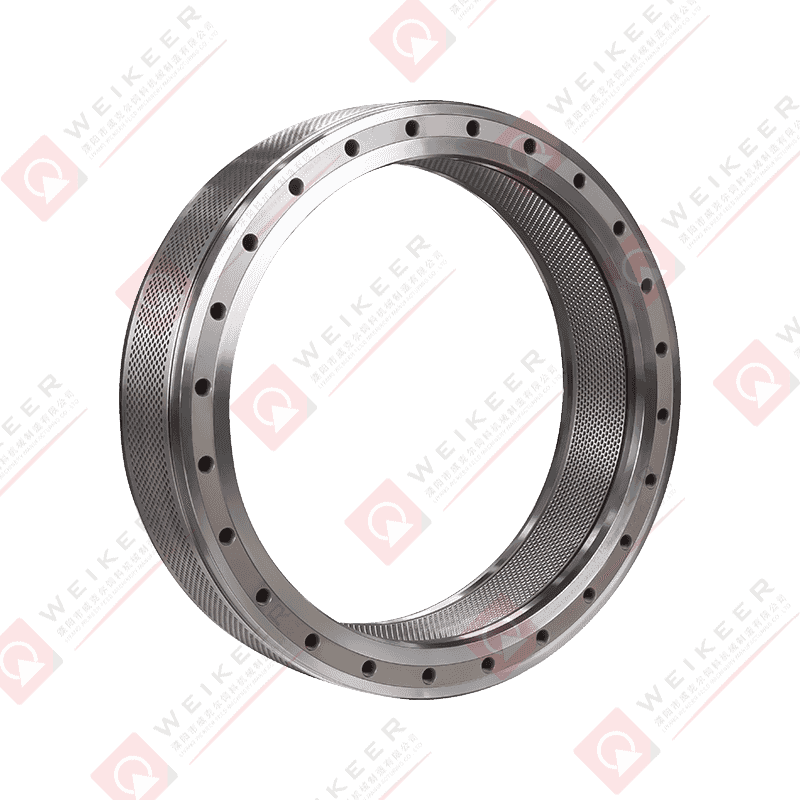
中文简体Biomass Pellets Mill Pellet Ring Die
Cat:Pellet Mill Screw Type Stainless Steel Die
Biomass pellet ring dies play a critical role in the production of biomass pellets, and their design and material can significantly impact the quality...
See Details


Content
Biomass pellets mill pellet ring dies are crucial components in the production of biomass pellets. They determine the quality, density, and output of pellets by shaping raw materials into uniform forms. Ring dies are preferred over flat dies for large-scale production because of their efficiency and durability.
The performance of a ring die depends largely on its material composition. High-quality steel alloys are commonly used, including chromium-molybdenum and high-carbon steel. These materials provide resistance against wear, corrosion, and heat, extending the lifespan of the die.
Optimal hardness levels allow the die to withstand high pressures while minimizing wear. Heat treatment processes enhance the mechanical strength, preventing deformation and ensuring consistent pellet quality over time.
Biomass materials contain moisture and chemicals that can corrode ring dies. Using corrosion-resistant alloys or applying protective coatings reduces maintenance frequency and prevents downtime.
Ring dies are designed with precision holes through which biomass material is extruded. Factors such as hole diameter, compression ratio, and thickness directly affect pellet quality and production efficiency.
Smaller holes produce denser pellets, while larger holes increase throughput. The shape of the holes, typically circular or tapered, affects friction and material flow, impacting energy consumption and pellet hardness.
The compression ratio determines how tightly the biomass is compacted during pelleting. Higher ratios yield harder, longer-lasting pellets but require more energy, whereas lower ratios allow faster production at the expense of pellet density.
Proper maintenance is essential to maximize the lifespan of a ring die. Regular inspection for wear, lubrication, and replacement of worn parts ensures consistent pellet quality and reduces operational costs.
Visual inspection can identify early signs of wear such as thinning, cracks, or hole deformation. Advanced monitoring techniques like ultrasonic testing detect internal defects before catastrophic failure occurs.
Lubricating the die rollers and cleaning residual biomass prevents material buildup, reducing friction and minimizing uneven wear. This practice also helps maintain energy efficiency during production.
The design and condition of the ring die directly influence pellet density, durability, and uniformity. A well-maintained die ensures high throughput and reduces production downtime, while poorly maintained dies increase breakage and waste.
Uniform compression and proper die hole configuration create dense pellets resistant to breakage during storage and transportation, meeting industry standards for biomass fuel.
A correctly designed ring die reduces the energy required to extrude biomass, lowering operating costs. Smooth hole surfaces and compression ratios decrease friction, contributing to higher efficiency.
Selecting the appropriate ring die depends on biomass type, mill capacity, and desired pellet characteristics. Factors to consider include die diameter, thickness, hole size, and material composition.
Different biomass materials like wood, straw, or agricultural waste require different die specifications. Softer materials may need larger holes and lower compression, while harder materials need smaller holes and higher compression ratios.
The ring die must match the production capacity of the pellet mill. Using an undersized die can limit output, while an oversized die may cause uneven wear and inefficiency.
Biomass pellets mill pellet ring dies are integral to efficient and high-quality pellet production. Choosing the right material, design, and maintenance strategy ensures pellet density, durability, and production efficiency while minimizing costs.
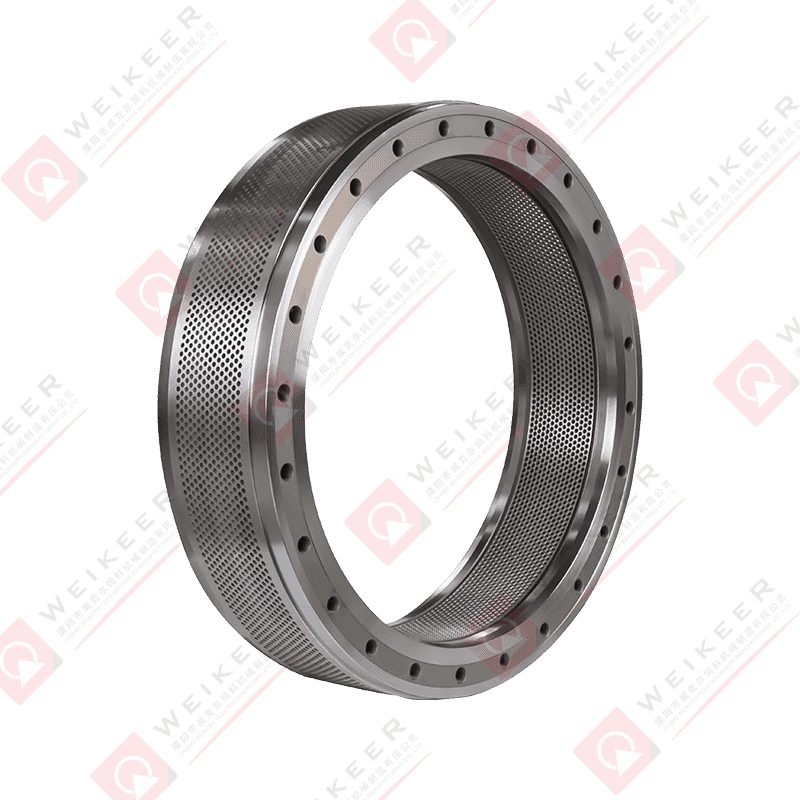
Biomass pellet ring dies play a critical role in the production of biomass pellets, and their design and material can significantly impact the quality...
See Details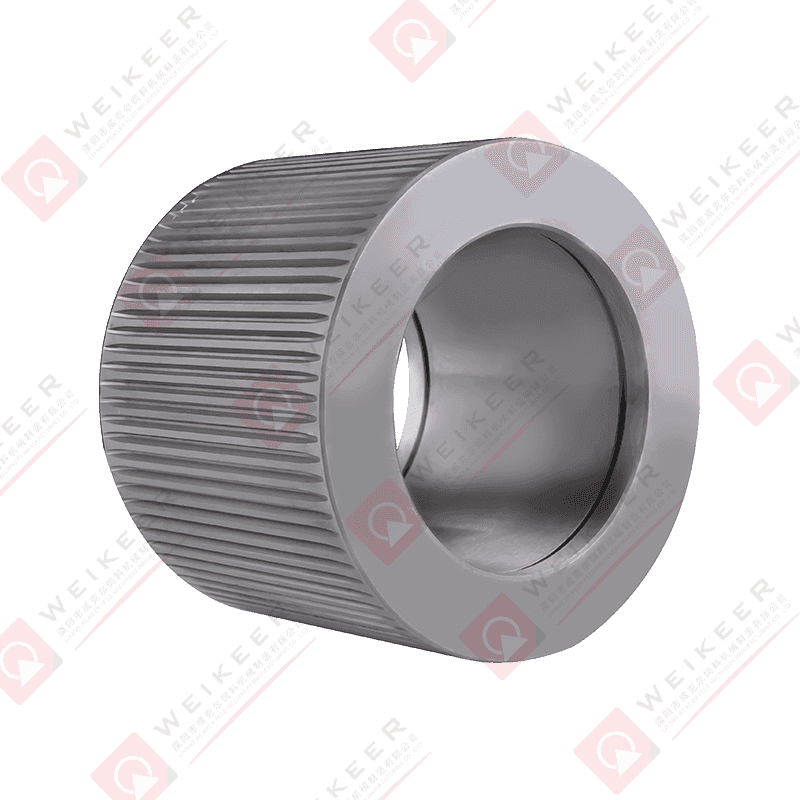
Alloy steel roller corrugated close ends are specialized components with distinct features and applications. Alloy steel ensures high durability, maki...
See Details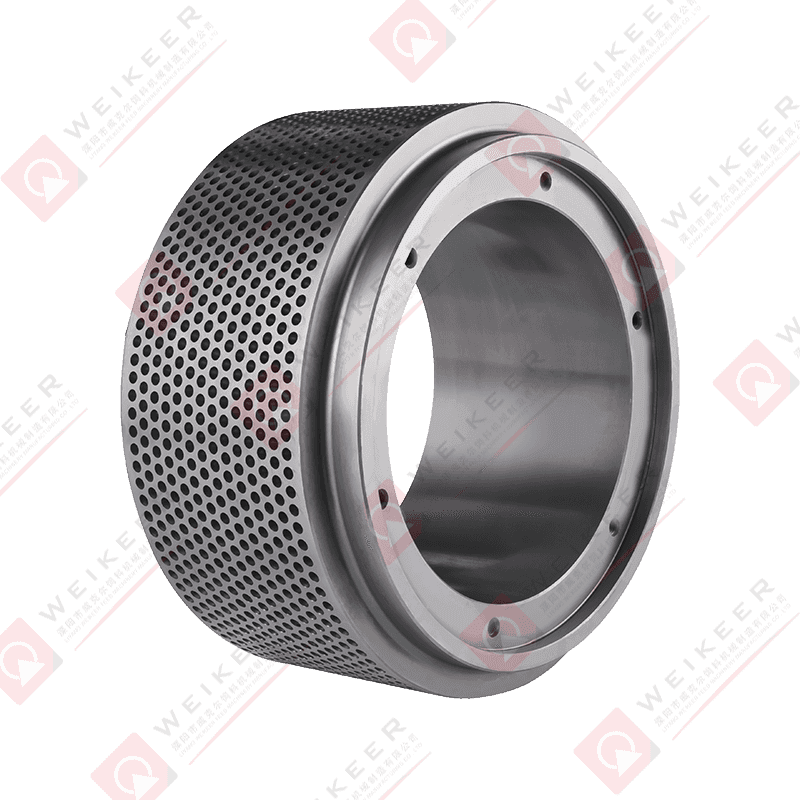
Alloy steel roller dimpled rollers have unique advantages and specific applications that make them valuable in various industries. The dimpled surface...
See Details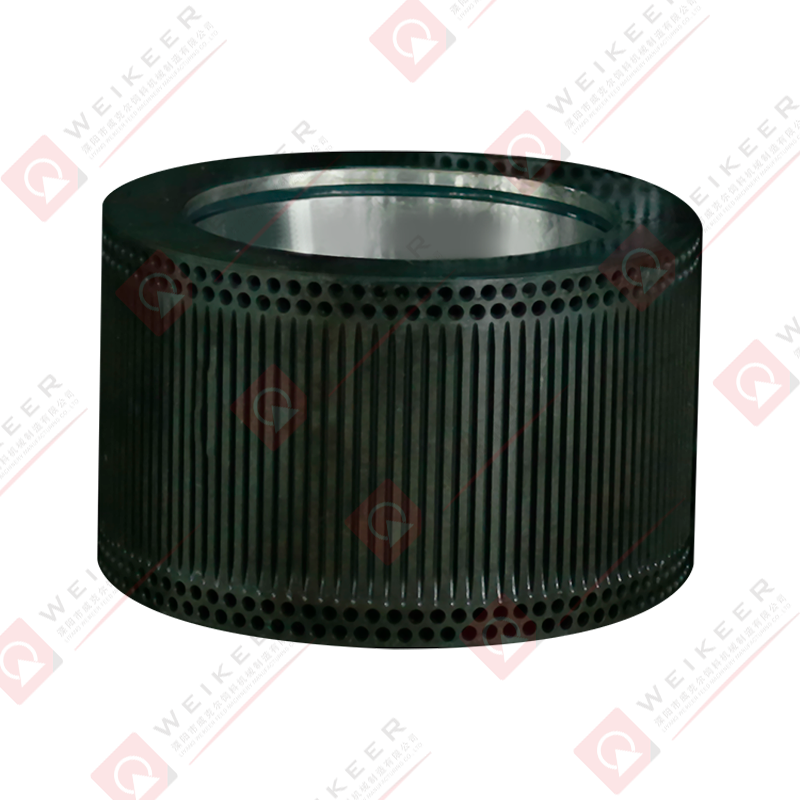
The 20CrMnTi alloy steel provides tensile strength and toughness, making the rollers suitable for heavy-duty applications. The design can help minimiz...
See Details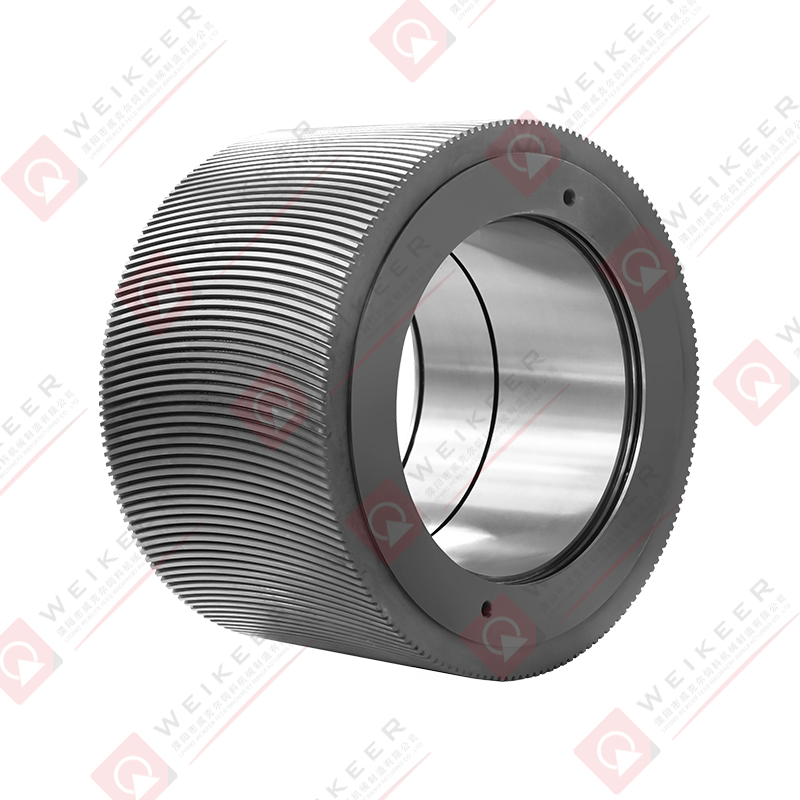
The GCr15 roller with a curved corrugation design is a specialized component crafted from high-quality GCr15 bearing steel, renowned for its exception...
See Details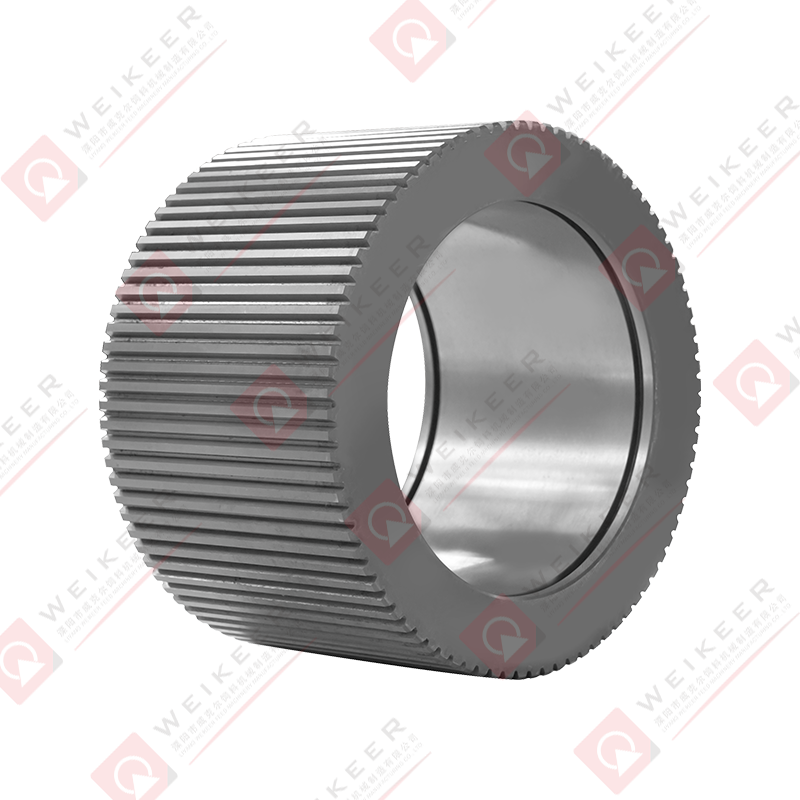
The spring steel roller with a corrugated open end is a high-performance component designed for effective material handling. Made from durable spring ...
See Details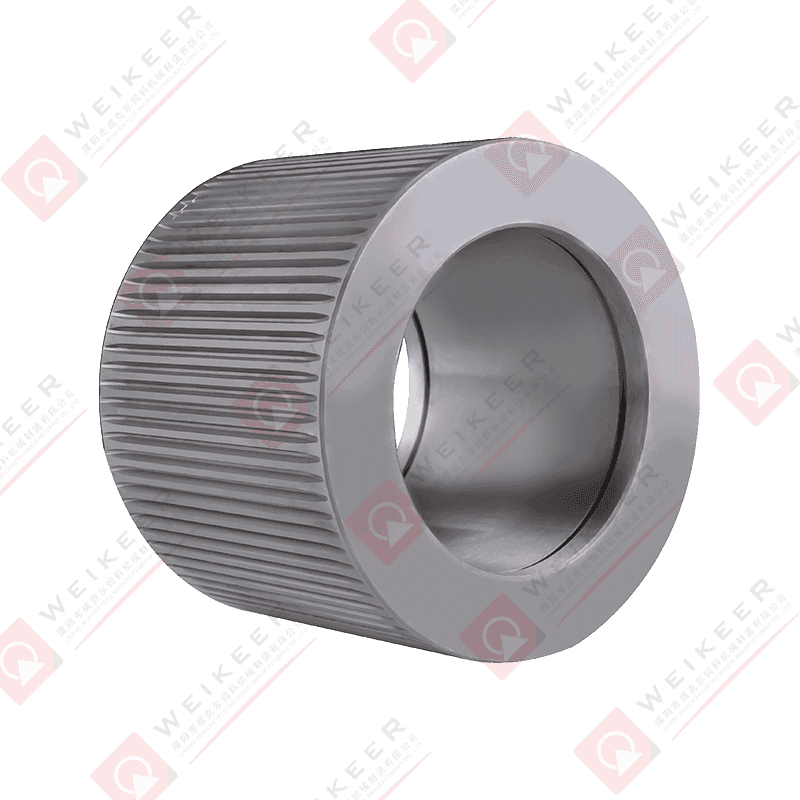
The spring steel roller with a corrugated close end is a robust component specifically designed for efficient material handling. Made from high-qualit...
See Details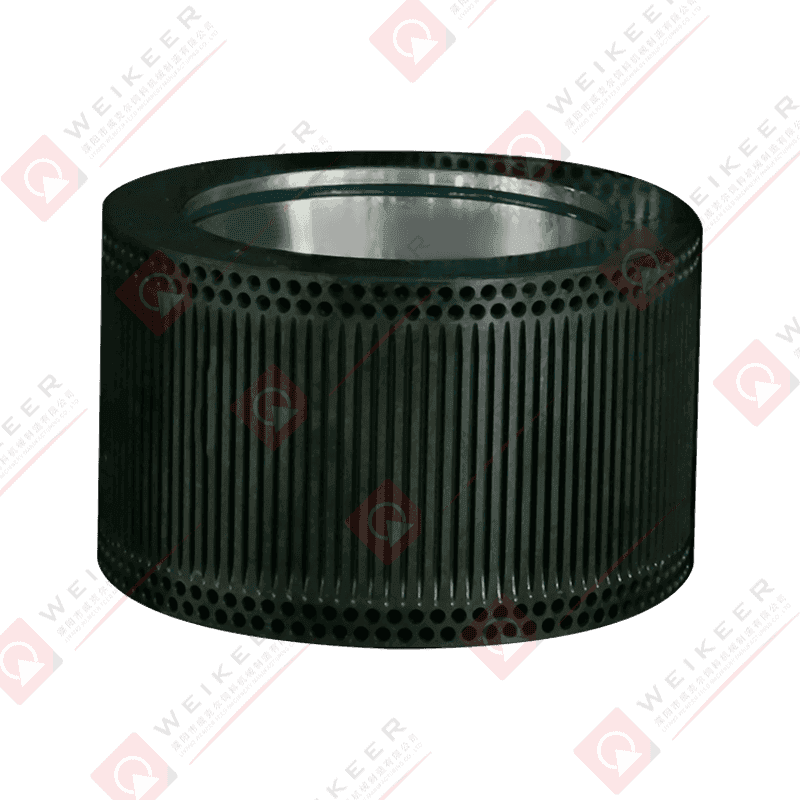
The 100Cr6 roller featuring a closed corrugation and dimpled design is a high-performance component made from spring steel, recognized for its excepti...
See Details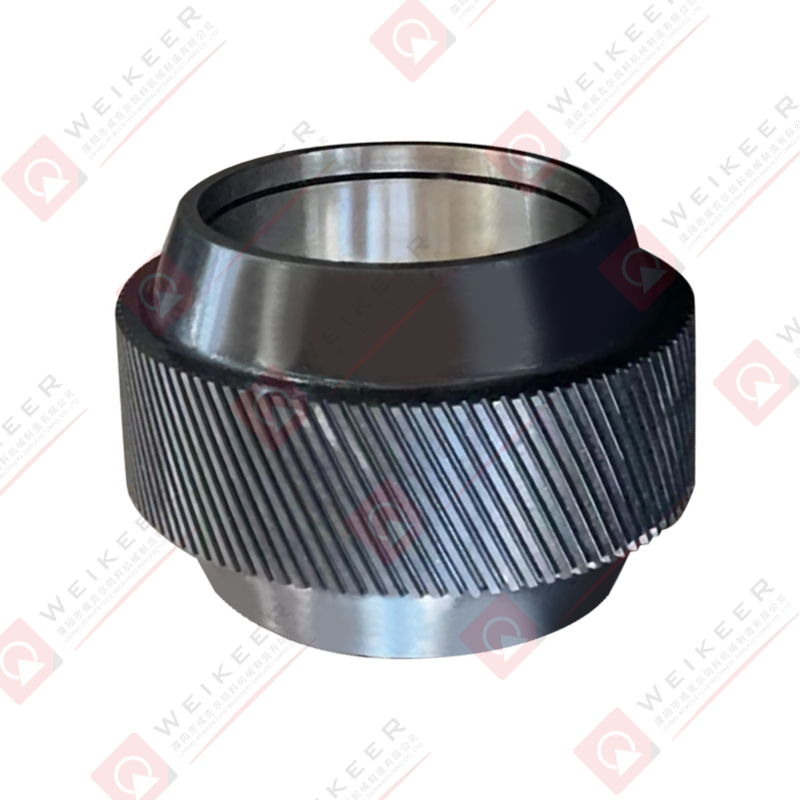
The 100Cr6 roller with a diagonal groove design is a specialized component crafted from high-quality Spring steel. The robust construction of the 100C...
See Details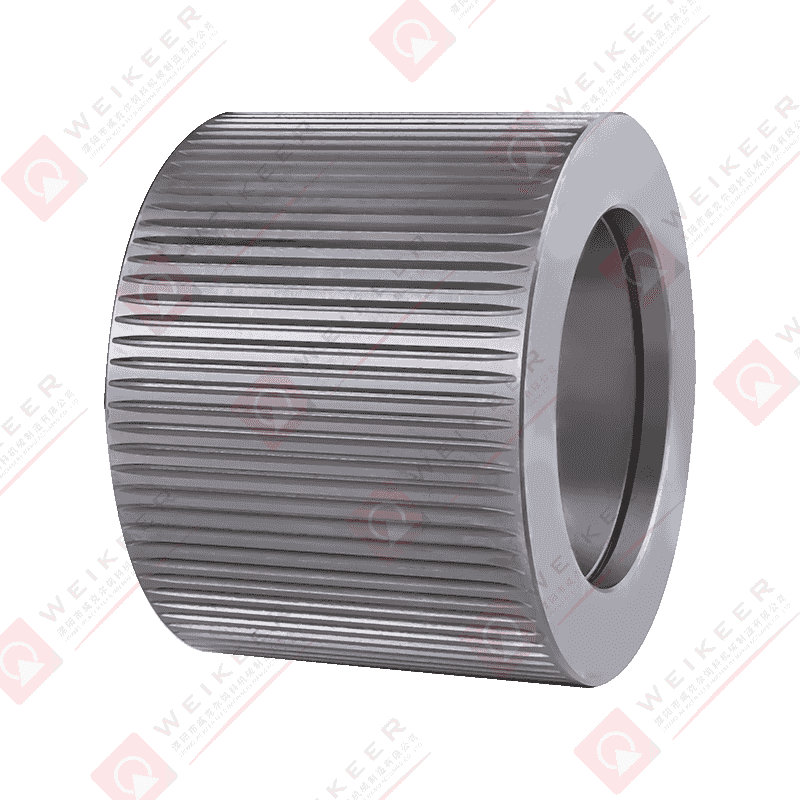
The closed-end structure enhances durability and provides better containment of materials, reducing the risk of spillage.The robust design minimizes w...
See Details
Add: No.12 Zhongdali Road, Xinbei Industrial Park, Daibu Town, Liyang, Jiangsu, China.

Phone: +86-13901498718

Tel: +86-0519-87306996

Email: alicezy@wkejx.com
Copyright © by Liyang Weikeer Feed Machinery Manufacturing Co.Ltd. Rights Reserved.
 Pellet Mills Dies Manufacturers
苏ICP备17039119号
Pellet Mills Dies Manufacturers
苏ICP备17039119号