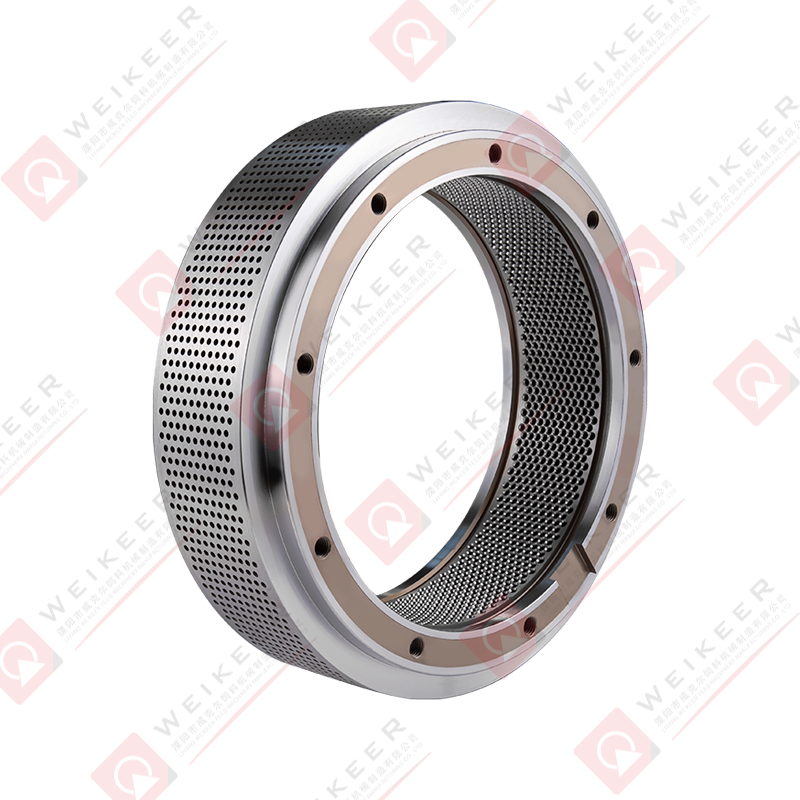
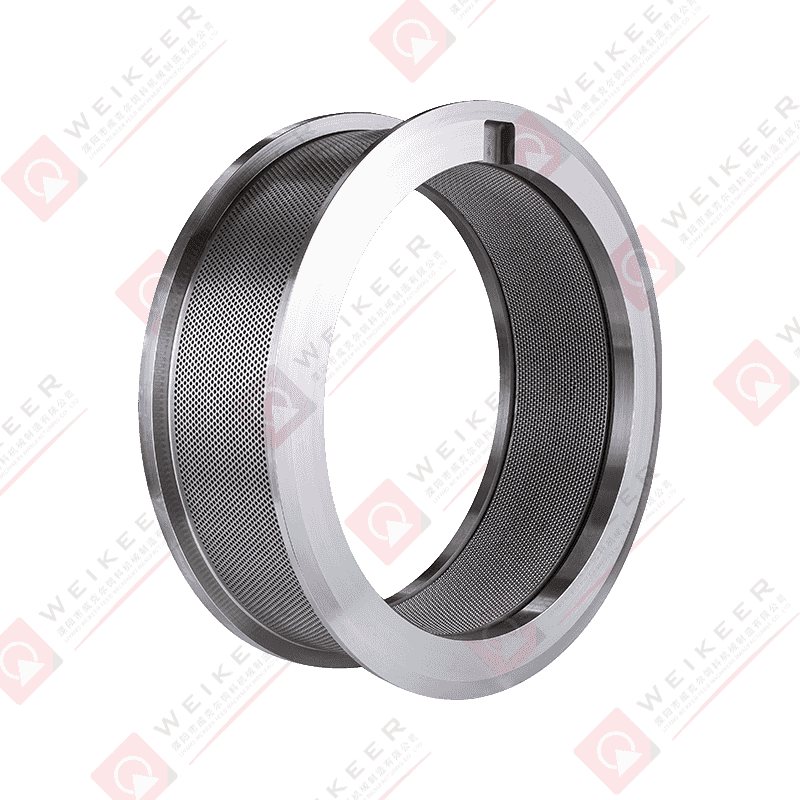
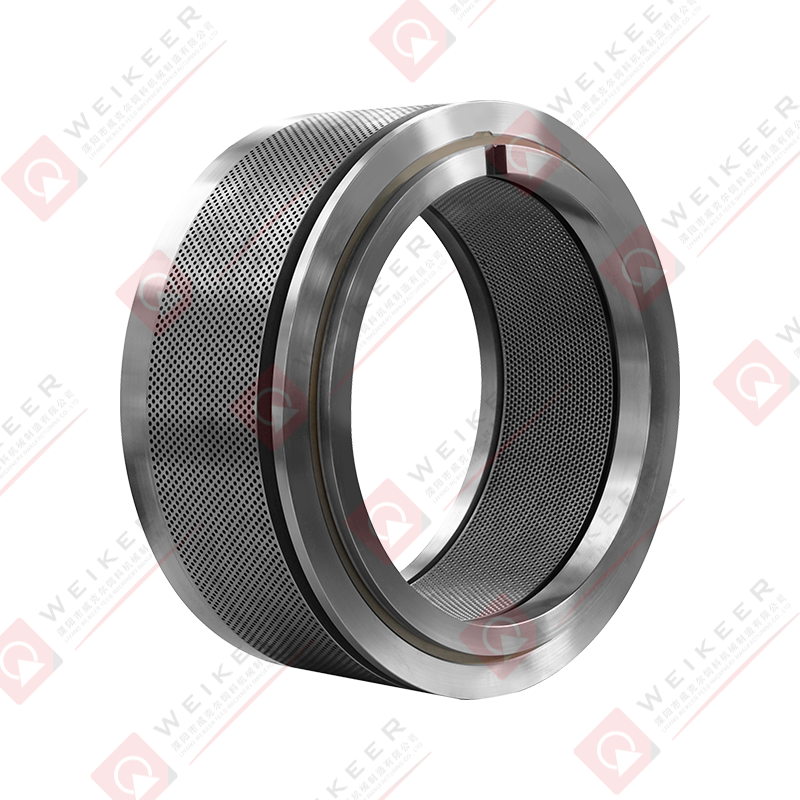
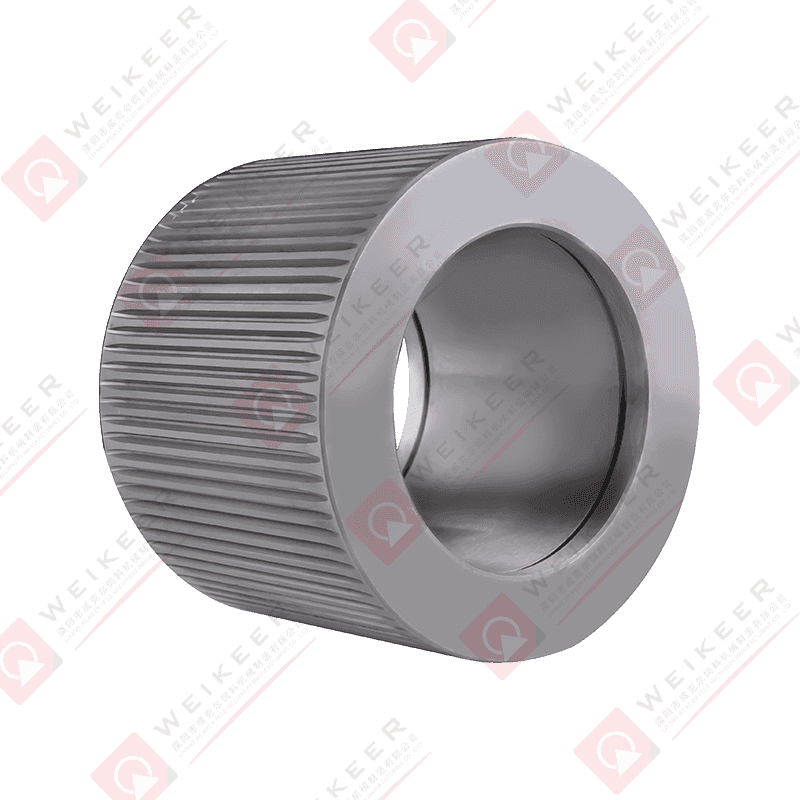
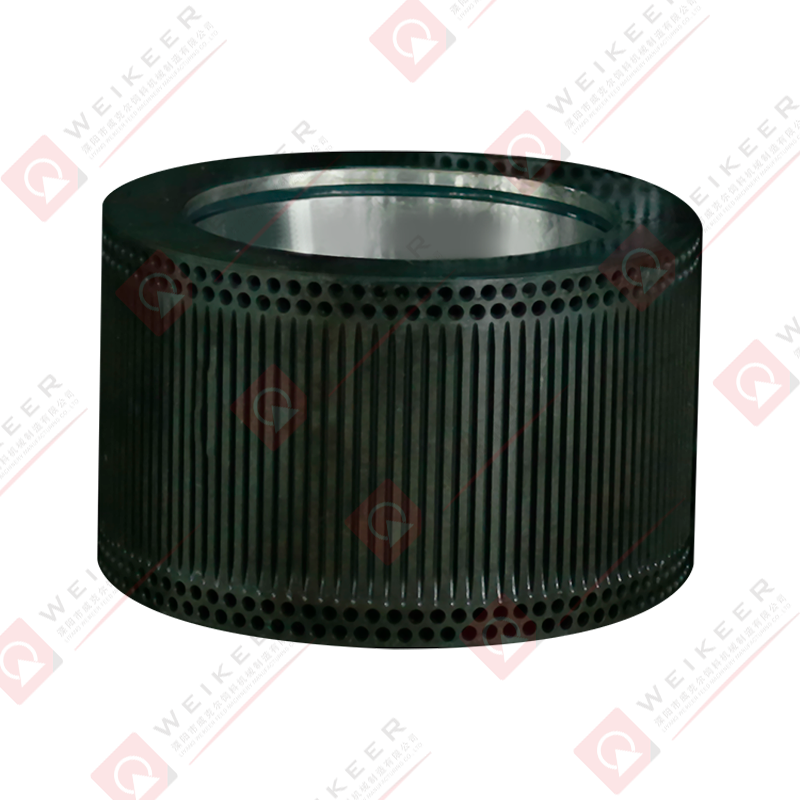
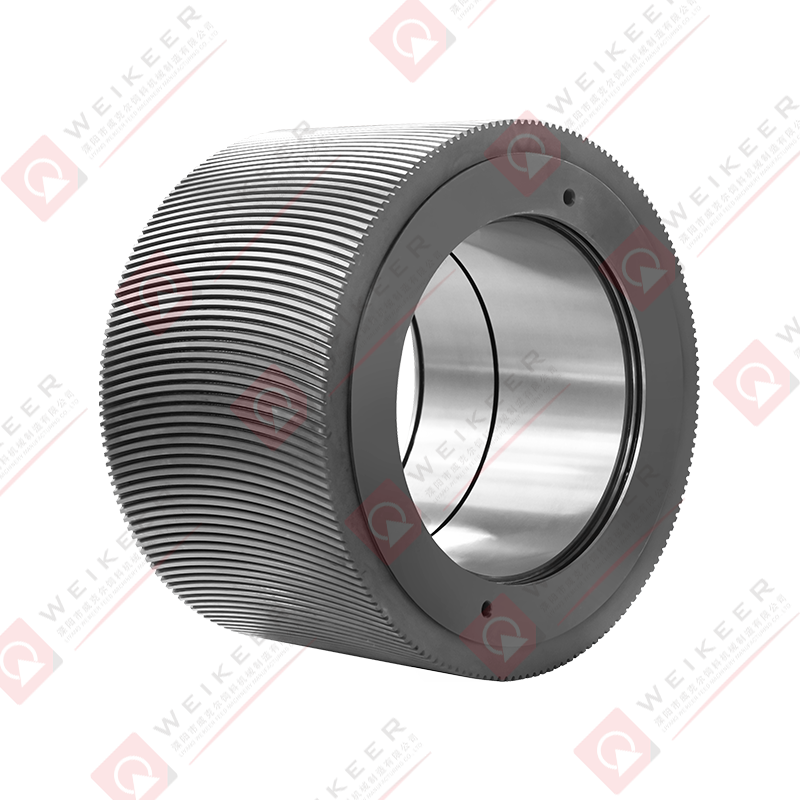
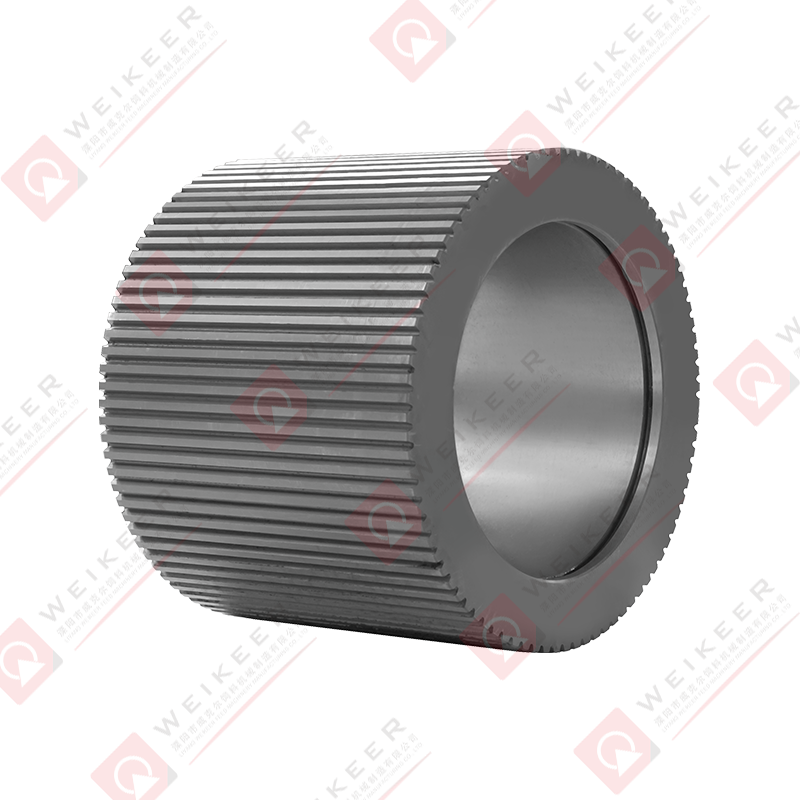
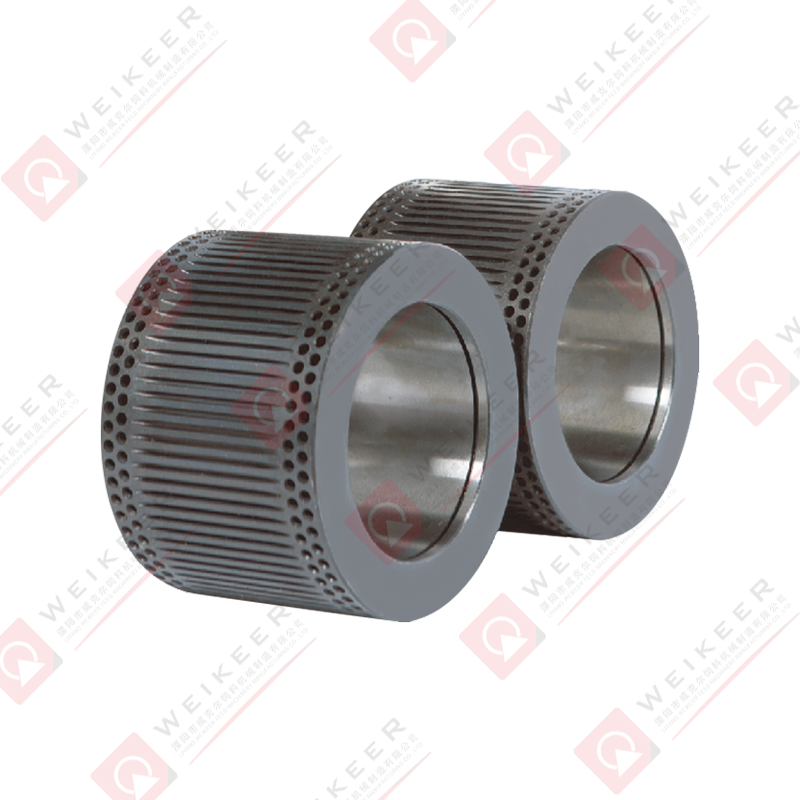
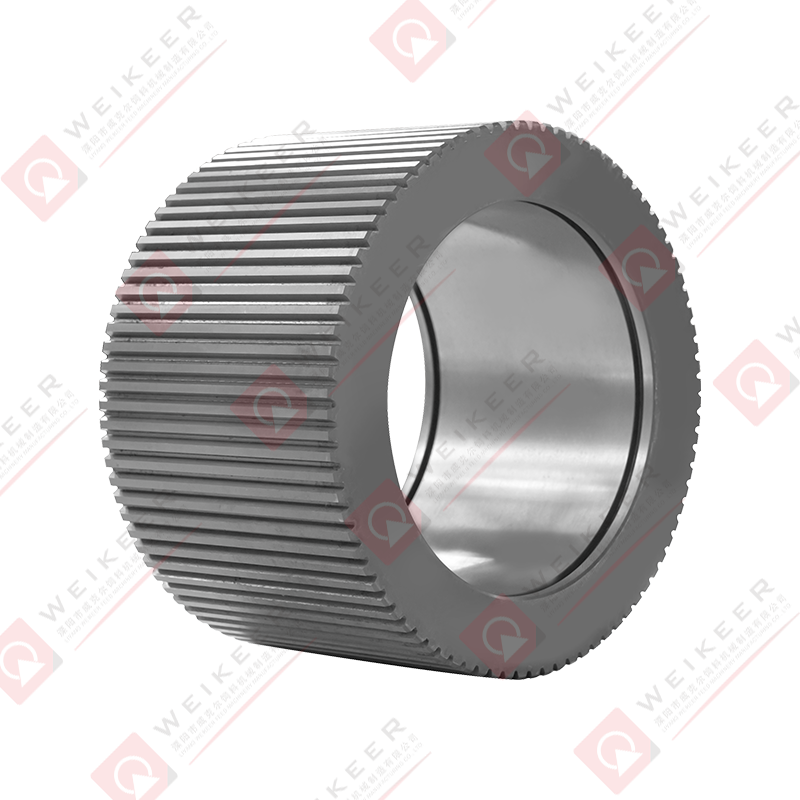
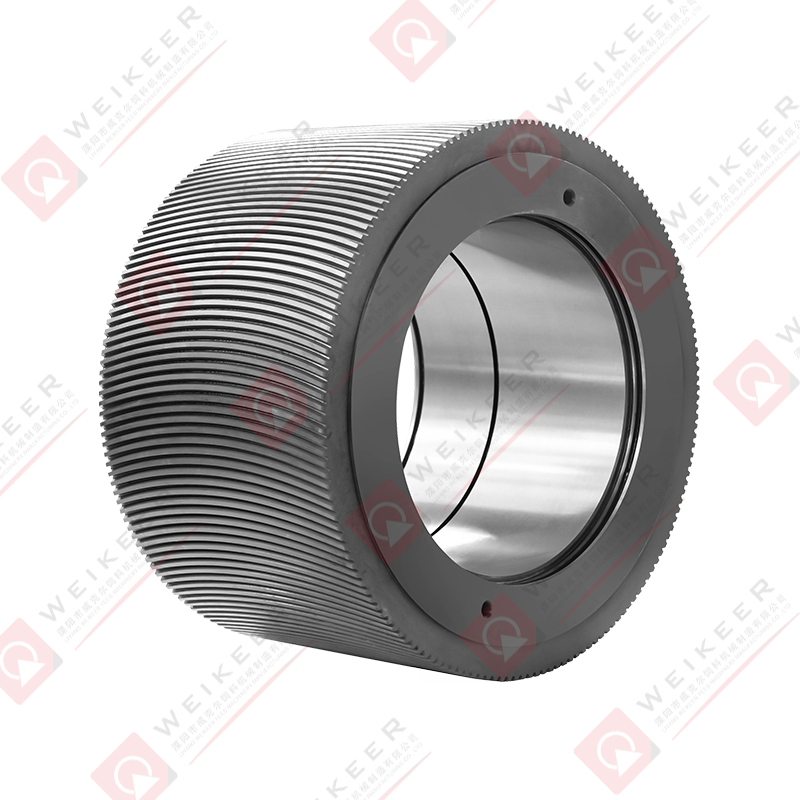
What Is a Screw Type Stainless Steel Ring Die Pellet Mill?
A screw type stainless steel ring die pellet mill is a specialized pelleting machine that combines a screw-driven feed mechanism with a cylindrical stainless steel ring die to compress raw materials into uniform, dense pellets. Unlike flat die pellet mills, which press material downward through a horizontal plate, ring die machines force feed material radially inward or outward through holes drilled into a rotating cylindrical die. The screw feeder ensures a consistent and regulated flow of raw material into the pelleting chamber, which is essential for maintaining uniform pellet density, diameter, and hardness throughout continuous production runs.
The choice of stainless steel for the ring die is deliberate and significant. Stainless steel — typically grades 304 or 316 — offers far corrosion resistance, hygienic properties, and long-term durability compared to standard carbon steel or alloy steel dies. This makes screw type stainless steel ring die pellet mills the preferred solution in food processing, aquafeed production, pharmaceutical pelletizing, and other industries where contamination prevention and compliance with sanitary standards are non-negotiable requirements.
How the Screw Feeding System Improves Pelleting Consistency
The screw feeder is one of the critical components in this type of pellet mill, yet it is often underestimated. Its primary role is to deliver a steady, metered volume of conditioned material into the die chamber at a controlled rate. When feed rate fluctuates — which happens with gravity-fed or paddle-fed systems — the pressure inside the die chamber becomes inconsistent, to variations in pellet hardness, length, and density. Over time, this also accelerates uneven wear on the die holes.
A variable-speed screw feeder solves this by allowing operators to precisely match the feed rate to the production capacity of the ring die. When processing materials with varying bulk densities or moisture contents — such as switching between fish meal-based aquafeed and plant-based livestock feed — the screw speed can be adjusted in real time without stopping the machine. This adaptability reduces startup waste, shortens transition times between batches, and significantly improves overall operational efficiency in high-throughput production environments.
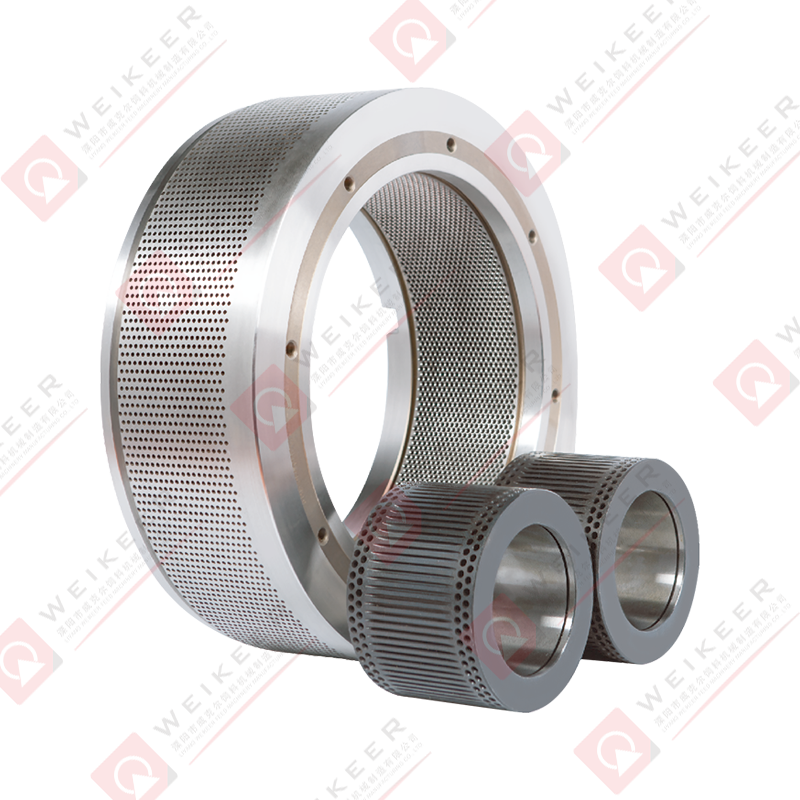
Why Stainless Steel Ring Dies Outperform Standard Dies
The ring die is the heart of any pellet mill. Its material, hole geometry, compression ratio, and surface finish directly determine pellet quality, energy consumption, and production cost per ton. Stainless steel ring dies offer a distinct set of advantages over conventional carbon steel or chromium-alloy dies that become especially important in demanding or hygiene-sensitive applications.
Corrosion and Chemical Resistance
Raw feed materials frequently contain moisture, organic acids, salts, and other compounds that corrode unprotected steel surfaces over time. Carbon steel dies rust quickly when processing wet or acidic materials, contaminating the product and degrading the die's dimensional accuracy. Stainless steel grades 304 and 316 resist this corrosion effectively. Grade 316 — which contains molybdenum — provides enhanced resistance to chlorides and is the preferred choice for marine-based feed ingredients like fish meal, shrimp shell meal, or seaweed additives.
Hygienic Surface Properties
Stainless steel has a naturally smooth, non-porous surface that resists bacterial colonization and is easy to clean and sterilize. For food-grade pellet production — including pet food, aquafeed, and human food ingredients — this is not merely a preference but a regulatory requirement in markets. The smooth die bore also reduces friction during pelleting, lowering energy consumption per kilogram of output and reducing the heat generated inside the die, which is beneficial for heat-sensitive ingredients.
Dimensional Stability Under Heat and Pressure
Ring dies operate under conditions — high rotational speeds, continuous mechanical pressure from rollers, and elevated temperatures generated by friction. Stainless steel maintains its dimensional stability under these conditions better than many alternative materials, preserving die hole tolerances over longer production runs. This translates to more consistent pellet diameters throughout the die's service life, reducing the frequency of die replacements and the downtime associated with them.
Key Specifications to Evaluate When Selecting a Ring Die
Not all stainless steel ring dies are interchangeable. Several technical parameters must be matched to the specific material being pelleted and the desired pellet characteristics. Selecting incorrect specifications is one of the common causes of poor pellet quality and premature die failure.
| Parameter |
Typical Range |
Effect on Pellet Quality |
| Hole Diameter |
1.5 mm – 12 mm |
Determines pellet diameter and suitability for target animal species |
| Compression Ratio (L/D) |
6:1 – 14:1 |
Higher ratios produce harder, denser pellets; affects throughput and power draw |
| Die Thickness |
40 mm – 100 mm |
Thicker dies increase effective compression length and pellet hardness |
| Open Area Ratio |
20% – 35% |
Higher open area increases capacity but reduces die structural strength |
| Inlet Chamfer Angle |
30° – 60° |
Affects material entry resistance and energy required to initiate compression |
Industries and Applications Best Served by This Configuration
The combination of screw feeding precision and stainless steel die hygiene makes this pellet mill configuration exceptionally well-suited to a defined set of industries. Understanding where this technology delivers the greatest return helps purchasing managers and plant engineers justify the higher initial investment over simpler configurations.
- Aquafeed production: Fish, shrimp, and crustacean feeds require small-diameter, water-stable pellets with high density. Stainless steel dies resist the corrosive effects of marine-sourced ingredients, and the screw feeder ensures consistent pellet size critical for species-specific feeding systems.
- Pet food manufacturing: Regulatory standards for companion animal nutrition require equipment that meets food-contact material requirements. Stainless steel dies comply with these standards, and the controlled feed rate prevents over-processing of fat-rich formulations that can clog standard dies.
- Pharmaceutical and nutraceutical pelletizing: Active ingredients are sensitive to contamination, heat, and inconsistent compression. Stainless steel ring dies offer the cleanability and dimensional precision required for GMP-compliant pellet production.
- Organic fertilizer processing: Composted organic materials with variable moisture and particle size benefit from the screw feeder's ability to regulate input despite inconsistent raw material bulk density.
- Biomass and wood pellet production: High-capacity ring die mills with stainless components are used for premium biomass pellets where surface contamination from rust or carbon steel oxidation would reduce product grade and market value.
Operational Parameters That Directly Affect Output Quality
Running a screw type ring die pellet mill at peak efficiency requires careful attention to several interdependent operating parameters. Adjusting one variable without considering its effect on others is a frequent cause of quality problems and mechanical failures.
Feed Moisture Content
Moisture is the natural binder in pelleting. Most materials pellet optimally at 14–17% moisture content by weight. Below this range, the die generates excessive friction heat and may jam. Above it, pellets exit soft and sticky, failing to hold their shape during cooling and handling. Steam conditioning before the die is standard practice in large-scale operations, adding controlled moisture and heat simultaneously to improve material plasticity and reduce specific energy consumption.
Roller-to-Die Gap Adjustment
The gap between the press rollers and the inner surface of the ring die must be set within 0.1–0.5 mm for applications. Too tight, and metal-to-metal contact accelerates wear on both components. Too loose, and the material slips rather than being compressed into the die holes, resulting in low-density, crumbly pellets. This gap must be re-checked after every die replacement and periodically during production as components wear.
Die Speed and Peripheral Velocity
Ring die peripheral velocity — the speed at which the die surface passes the rollers — typically ranges from 4 to 8 meters per second depending on the material and pellet size. Higher speeds increase throughput but also increase frictional heat and can degrade heat-sensitive ingredients. For aquafeed and pet food, lower peripheral velocities with steam pre-conditioning are preferred to protect nutritional integrity while still achieving commercial production rates.
Maintenance Practices That Protect the Ring Die Investment
A stainless steel ring die represents a significant portion of the total pellet mill investment, and its service life is directly proportional to the quality of maintenance it receives. Neglecting basic die care is one of the fastest ways to increase production costs through premature replacements.
- Oil-blocking during shutdown: Before stopping production, run an oil-absorbent material such as oily rice bran or sunflower seed meal through the die to fill the holes with a protective layer that prevents corrosion and hardening of residual feed during idle periods.
- Regular hole inspection: Use a bore gauge or go/no-go gauge to check die hole diameter and surface roughness at scheduled intervals. Holes that have worn beyond specification tolerances produce undersized pellets and should trigger die replacement or re-drilling.
- Cleaning after corrosive materials: After processing marine-based or high-salt formulations, flush the die with clean water and dry it thoroughly before storage to prevent pitting corrosion even on grade 316 stainless steel.
- Balanced roller wear: Uneven roller wear creates uneven pressure distribution across the die surface, accelerating localized die hole wear. Replace rollers in matched pairs and rotate die orientation periodically to distribute wear evenly across the die width.
- Temperature monitoring: Install thermocouples or infrared sensors near the die chamber to detect abnormal heat buildup, which indicates insufficient lubrication, excessive roller pressure, or incorrect moisture content in the feed material.
When properly specified, operated within design parameters, and maintained according to manufacturer guidelines, a screw type stainless steel ring die pellet mill delivers consistent, high-quality pellet output over years of heavy-duty production, making it one of the cost-effective investments available in modern feed and biomass processing operations.



 русский
 Español
 عربى
عربى 中文简体
中文简体