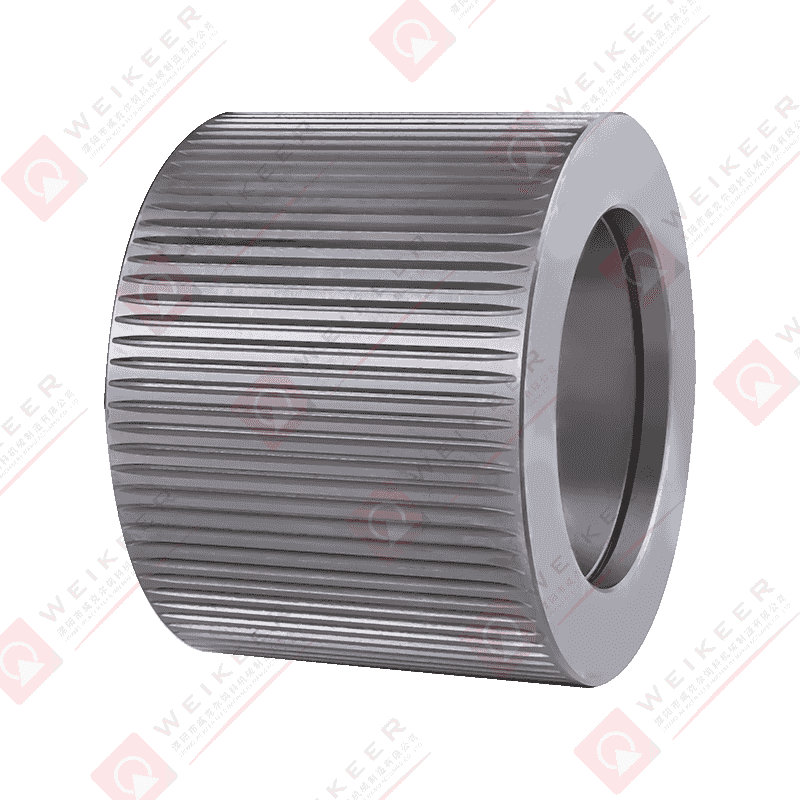
What Is a Screw Type Pellet Mill and How Does Its Ring Die Function?
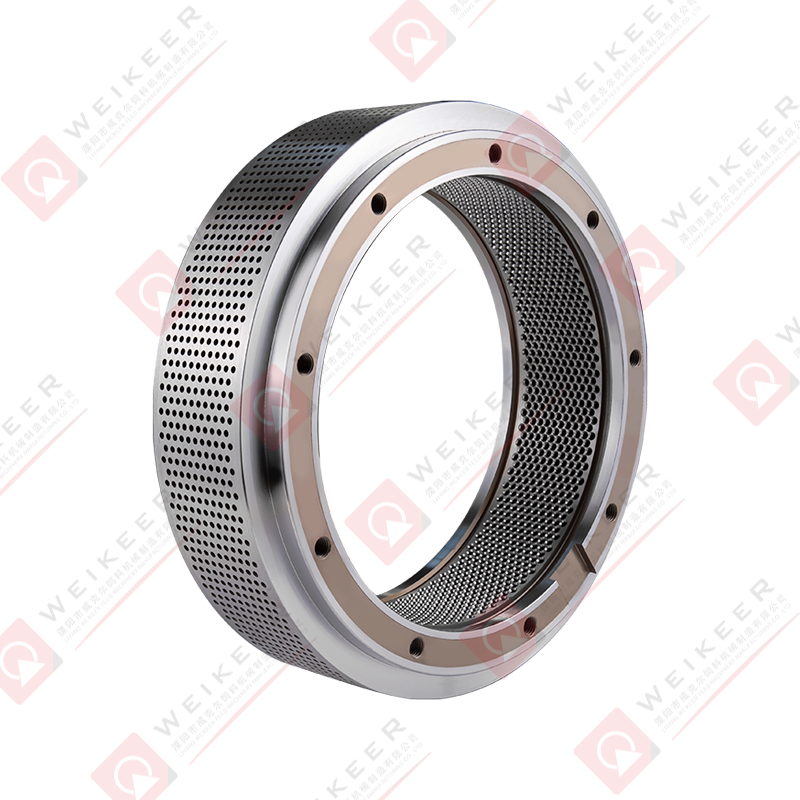
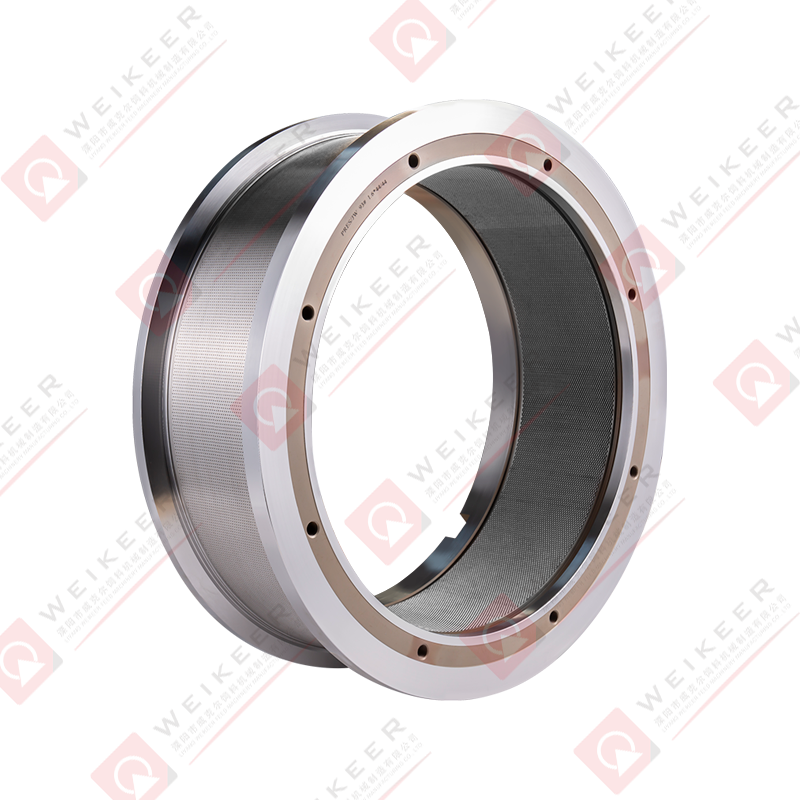
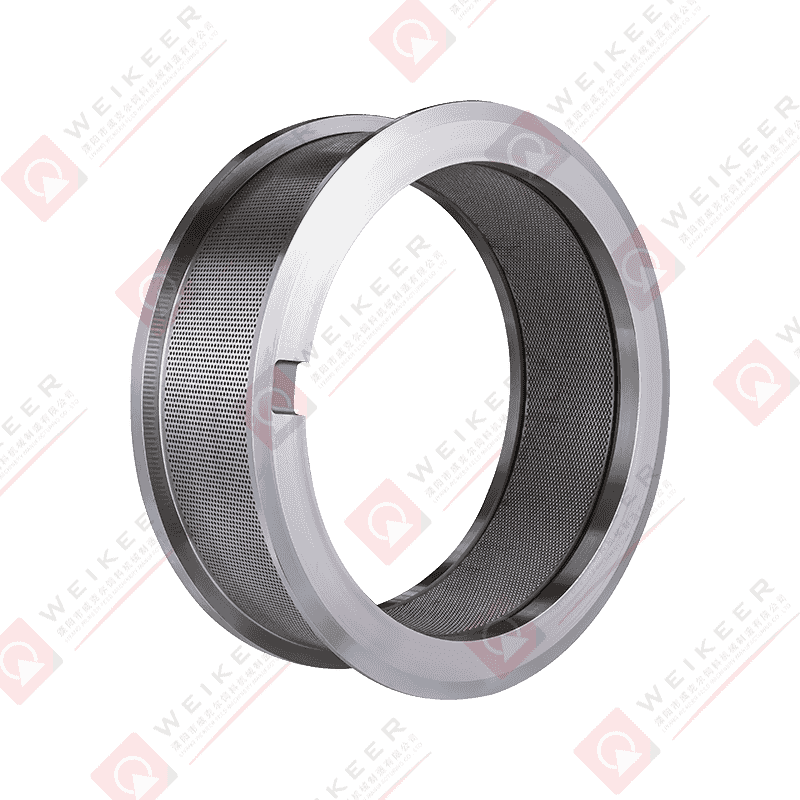
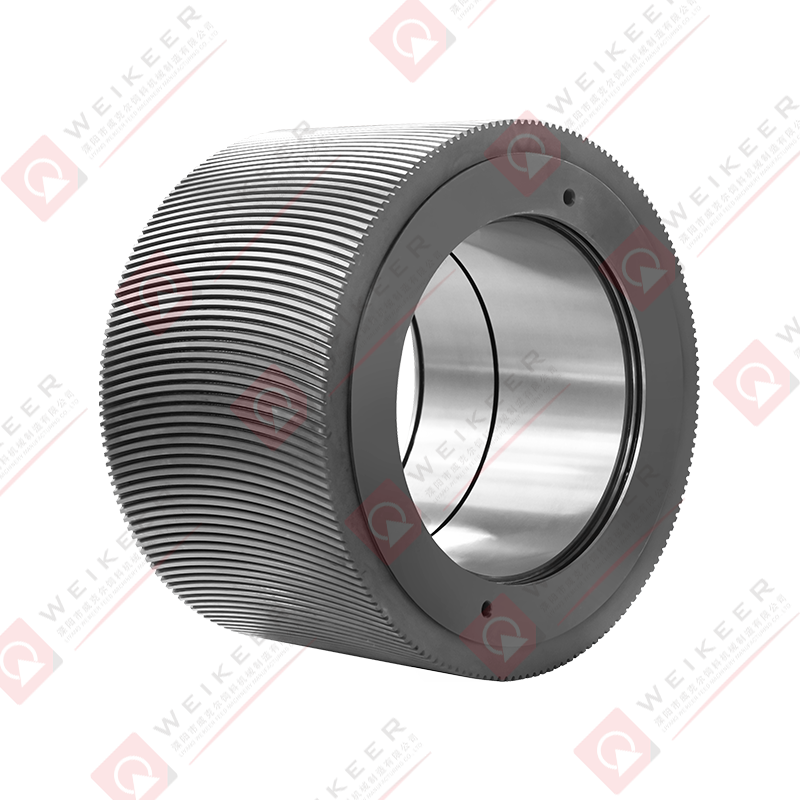
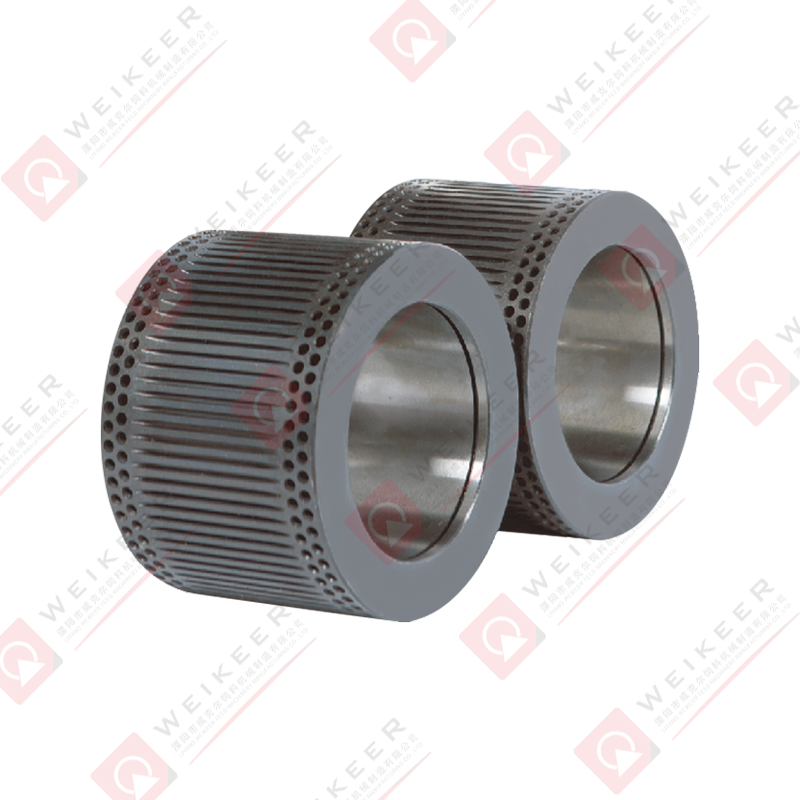
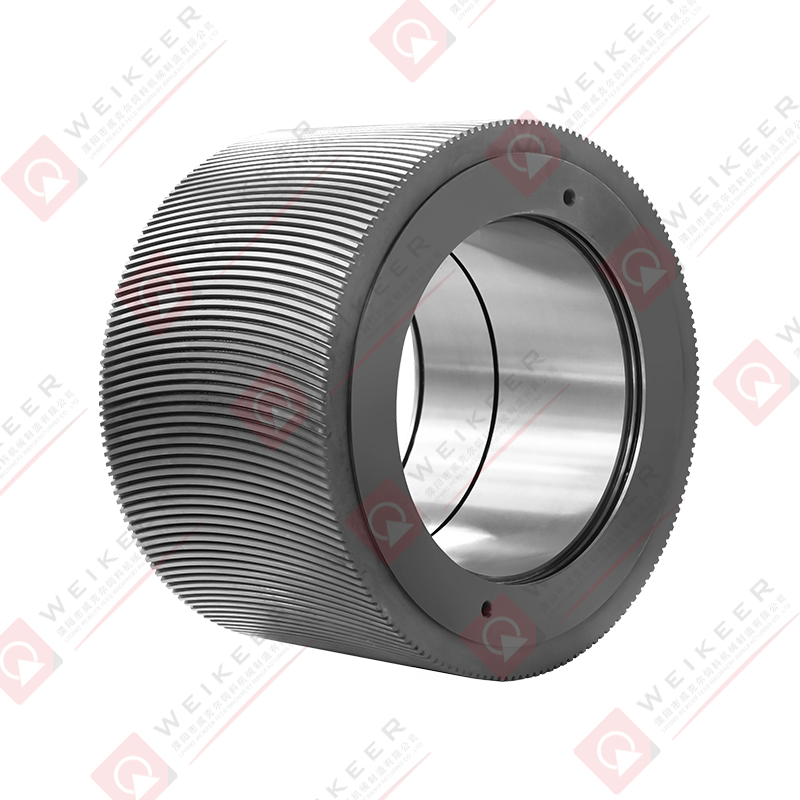
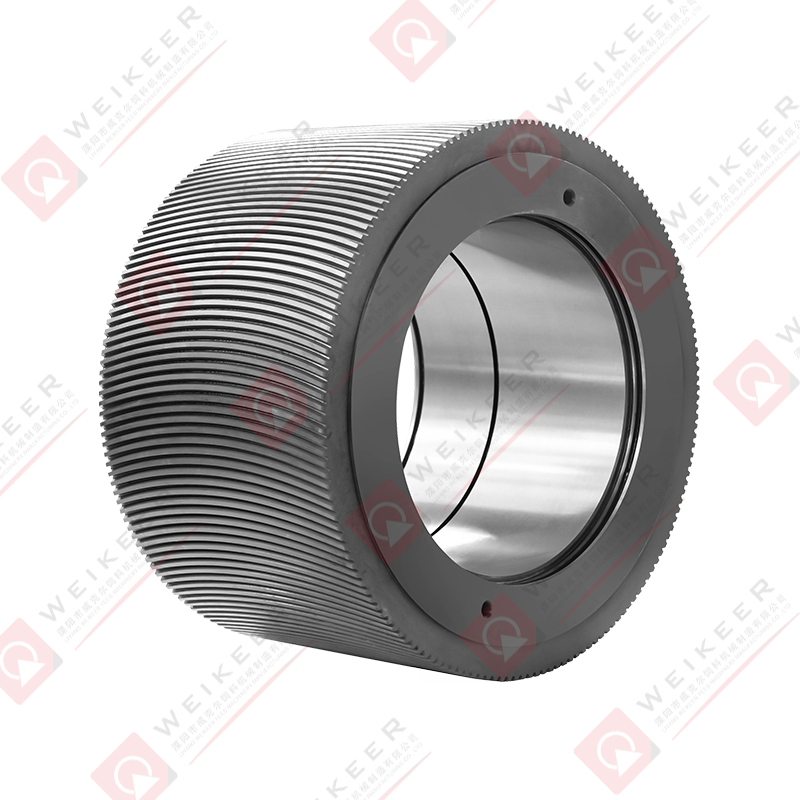
A screw type pellet mill is a pelletizing machine that uses a rotating screw or auger mechanism to force raw material — typically powdered feed ingredients, biomass, or organic compounds — through a fixed or rotating ring die under high pressure and friction. Unlike flat die pellet mills where material is pressed downward through a horizontal die plate, the screw type design feeds material radially or axially into the die channel through the action of the screw conveyor, providing a continuous, consistent feed pressure that contributes to uniform pellet density and length. The ring die is the cylindrical component at the heart of this process — a thick-walled steel cylinder perforated with precisely engineered holes through which the compressed material is extruded to form individual pellets.
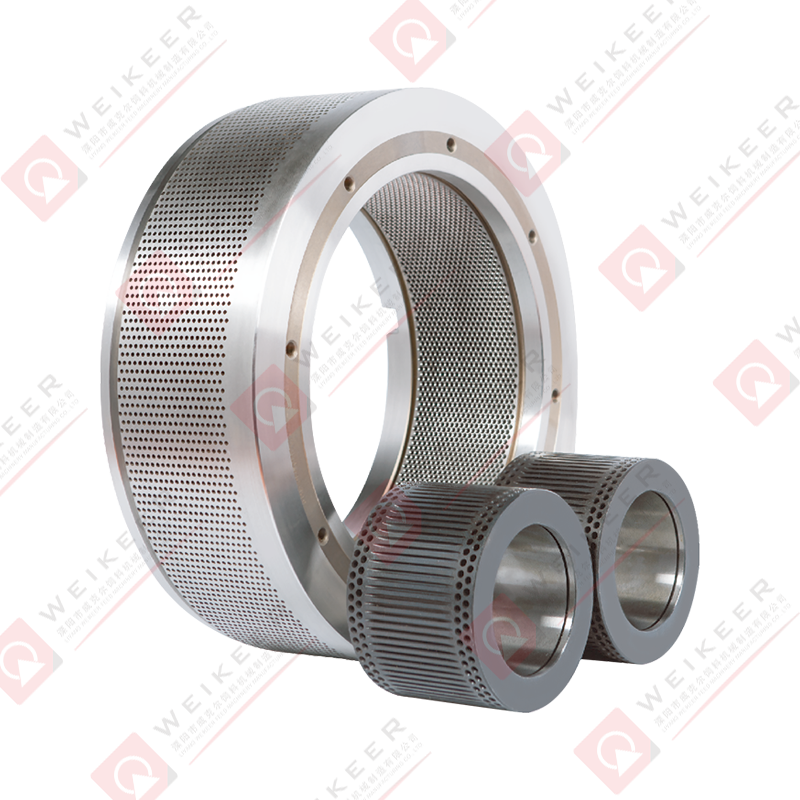
In a screw type pellet mill, the ring die is typically stationary while internal rollers rotate against the inner surface of the die, or alternatively the die rotates while the rollers remain fixed — either configuration generating the compressive force needed to push material through the die holes. The stainless steel ring die has emerged as the preferred die material in many applications due to its combination of corrosion resistance, food safety compliance, surface hardness, and wear characteristics under abrasive feed materials. Understanding the design, material properties, and operational factors governing ring die performance is essential for operators and procurement managers seeking to maximize pellet quality, throughput, and die service life.
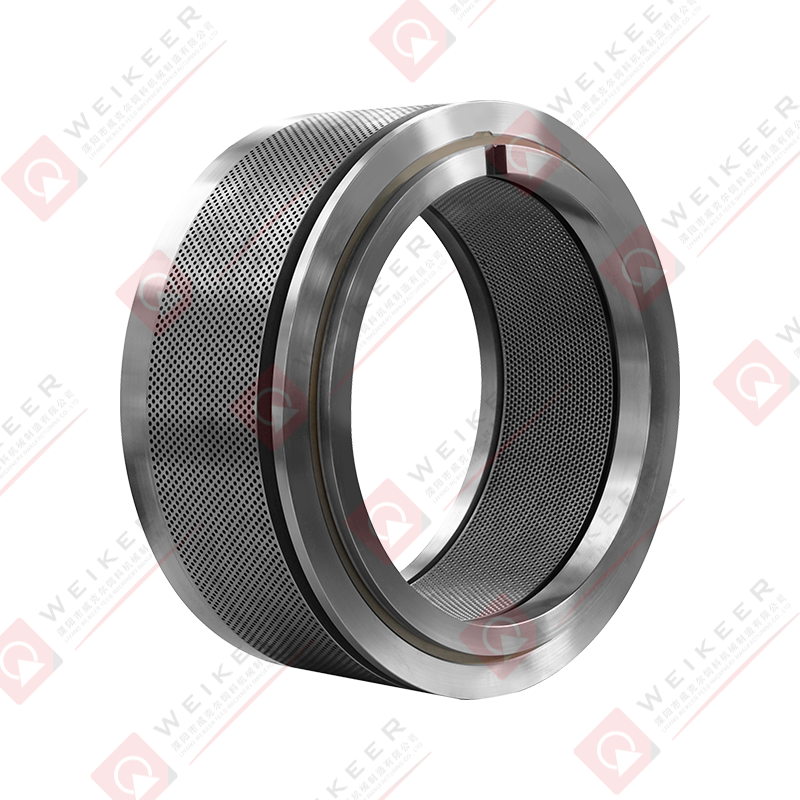
Why Stainless Steel Is Chosen Over Other Ring Die Materials
Ring dies for pellet mills have historically been manufactured from alloy steel grades — typically 20CrMnTi, 42CrMo, or similar carburized and heat-treated tool steels — which offer high surface hardness after treatment and adequate wear resistance for standard animal feed pelleting. However, stainless steel ring dies have gained significant market share across aquatic feed, pet food, pharmaceutical, and specialty nutraceutical pelleting applications where alloy steel dies present limitations that directly impact product quality, regulatory compliance, and operational cost.
The fundamental advantage of stainless steel is its inherent corrosion resistance. Alloy steel ring dies, regardless of surface hardness treatment, are susceptible to rust formation when exposed to high-moisture feed formulations, steam conditioning, saline ingredients such as fish meal and marine additives, or acidic feed components. Rust contamination in animal feed — particularly in aquatic or pet food applications — poses serious food safety and product quality risks. Stainless steel grades such as 316L, 304, or martensitic 440C eliminate corrosion entirely, allowing the die to be cleaned with water and detergents between production runs without rust formation during storage or between shifts.
Martensitic stainless steel grades — particularly 440C and its variants — are the widely used for ring dies because they combine the corrosion resistance characteristic of stainless steels with the ability to achieve high surface hardness through heat treatment. 440C stainless can reach Rockwell hardness values of HRC 58–62 after hardening and tempering, approaching the hardness achievable in conventional alloy tool steel dies while offering vastly corrosion resistance. This makes it the practical choice for applications combining abrasive feed ingredients with moisture-rich or chemically aggressive formulations.
Stainless Steel Grade Comparison for Ring Die Applications
Not all stainless steel grades perform equally in ring die service. The selection of the appropriate grade must balance corrosion resistance, achievable hardness, machinability for hole drilling, and cost. The following comparison covers the commonly specified grades in pellet mill ring die manufacturing.
| Grade |
Type |
Max Hardness (HRC) |
Corrosion Resistance |
Typical Application |
| 440C |
Martensitic |
58 – 62 |
Good |
Aquatic feed, pet food, abrasive ingredients |
| 420 |
Martensitic |
50 – 55 |
Moderate |
General feed, poultry, livestock |
| 316L |
Austenitic |
25 – 30 (work hardened) |
Excellent |
Pharmaceutical, nutraceutical, chemical pelleting |
| 304 |
Austenitic |
20 – 28 (work hardened) |
Very Good |
Low-abrasion food grade, hygiene-critical lines |
| 17-4PH |
Precipitation Hardening |
38 – 44 |
Very Good |
High-strength specialty dies, moderate abrasion |
For demanding pellet mill applications combining abrasive raw materials with moisture or marine ingredients, 440C martensitic stainless steel provides the optimum balance of hardness and corrosion resistance. Austenitic grades such as 316L and 304 are preferred where corrosion and chemical resistance is required and the feed material is not highly abrasive — their lower hardness makes them unsuitable for abrasive pelleting without rapid hole wear. Precipitation hardening grades like 17-4PH offer a useful intermediate option where both moderate hardness and good corrosion resistance are needed without reaching the full hardness of 440C.
Ring Die Hole Geometry and Its Effect on Pellet Quality
The geometry of the die holes is the critical design parameter determining pellet quality, energy consumption, throughput rate, and die service life. Even minor variations in hole design have measurable consequences on pellet hardness, moisture content, fines generation, and durability index — the key quality metrics assessed by feed manufacturers and customers.
Hole Diameter and Compression Ratio
Die hole diameter is selected to match the target pellet diameter for the specific feed type and animal species. Common diameters range from 1.5mm for shrimp and micro-aquatic feeds to 12mm or larger for ruminant and equine feeds. The compression ratio — the ratio of effective hole length (working length) to hole diameter — governs the degree of compression applied to the material as it passes through the die. Higher compression ratios generate more friction and heat, increasing pellet hardness and durability but also increasing energy consumption and generating more frictional wear on the die surface. Typical compression ratios range from 6:1 to 12:1 for animal feed, with aquatic feeds requiring higher ratios of 10:1 to 15:1 to achieve the water stability demanded by fish and shrimp feeding behavior.
Inlet Chamfer and Counter-Bore Design
The inlet geometry at the top of each die hole significantly affects material flow characteristics and energy efficiency. A straight-entry hole without chamfering generates high shear stress at the hole entrance, which can cause excessive fines generation and inconsistent pellet formation. Countersunk or chamfered entry profiles — conical recesses machined at the inlet face of each hole — smoothly guide material into the compression zone, reducing entry resistance, improving material flow uniformity, and extending die service life by distributing wear more evenly across the inlet surface. The angle and depth of the chamfer are optimized for the specific feed formulation and particle size distribution of the raw material mixture.
Hole Pattern, Density, and Open Area Ratio
The arrangement and density of holes across the die surface determine the die's open area ratio — the percentage of the die face that consists of hole openings versus solid die material. Higher open area ratios increase throughput capacity but reduce the structural integrity of the die wall between holes. For stainless steel ring dies where material cost is higher than alloy steel, die designers carefully optimize hole pattern density to maximize throughput while maintaining adequate die wall thickness to prevent cracking under the cyclic compressive stresses of pelleting operation. Staggered hole patterns achieve higher open area ratios than inline arrangements of the same hole diameter and are standard in modern ring die designs.
Key Dimensional Parameters When Specifying a Ring Die
When ordering a replacement or new stainless steel ring die for a screw type pellet mill, precise dimensional specifications must be provided to ensure correct fit and performance. Dimensional mismatches between the die and the pellet mill frame to excessive vibration, uneven roller pressure distribution, and premature die failure.
- Inside Diameter (ID): The inner diameter of the ring die must precisely match the roller assembly diameter of the pellet mill model. Standard IDs range from 150mm for small laboratory mills to 1000mm or more for industrial-scale installations. The ID tolerance is typically held to ±0.05mm to ensure correct roller-to-die clearance.
- Outside Diameter (OD): The OD determines how the die seats in the die holder or clamp ring of the pellet mill frame. Incorrect OD results in improper clamping that causes die slippage, vibration, or cracking at the clamping interfaces during high-load operation.
- Effective Width (Working Length): The axial width of the hole section of the die — the dimension that determines the compression ratio when combined with the hole diameter. Effective widths typically range from 40mm to 100mm depending on mill size and application.
- Total Width: The full axial dimension of the ring die including any flanges, keyway sections, or clamping surfaces at the ends. Total width must match the die holder width of the specific pellet mill model exactly.
- Hole Diameter and Working Length: Both dimensions must be specified simultaneously because the compression ratio they define together governs pellet quality. Specifying hole diameter alone without the working length provides insufficient information to manufacture a functionally correct die.
Breaking In a New Stainless Steel Ring Die
New stainless steel ring dies require a careful break-in procedure before running production materials at full capacity. Skipping or rushing the break-in process is one of the common causes of premature die failure, hole plugging, and poor initial pellet quality. The break-in procedure serves to polish the die hole surfaces, establish a consistent lubrication film, and thermally stabilize the die under operating conditions before it is subjected to full-production stress levels.
The standard break-in procedure for a new stainless steel ring die begins with running a mixture of coarse oily material — typically a blend of fine bran or sawdust mixed with vegetable oil at approximately 5–8% oil content — through the die at low feed rate and reduced roller gap for 20 to 40 minutes. This abrasive-lubricant mixture simultaneously polishes the die hole surfaces and deposits a protective oil film that reduces metal-to-metal friction during the initial hours of operation. The roller gap should be gradually reduced toward operating clearance over the hour of production, and production material feed rates increased incrementally over the two to four hours of operation rather than ramped immediately to full capacity.
Maintenance Practices That Extend Ring Die Service Life
A high-quality stainless steel ring die represents a significant capital investment, and its service life is largely determined by how well it is maintained between and during production runs. Consistent maintenance practices can extend die service life by a factor of two or more compared to neglected dies.
- Fill holes with oil-soaked plugging material at shutdown: When production is stopped — whether for scheduled changeover, shift end, or maintenance — the die holes should be filled with an oily material such as oil-mixed bran to prevent the residual feed from hardening inside the holes during the idle period. Hardened feed plugs in the die holes are a primary cause of difficult restarts, hole damage during clearing, and cracked dies from localized stress concentration.
- Monitor roller-to-die gap regularly: Excessive roller gap causes slippage and uneven compaction that accelerates hole wear asymmetrically. Insufficient gap generates overheating and excessive mechanical stress on both the die and roller shells. The correct gap — typically 0.1mm to 0.3mm for feed applications — should be verified and adjusted at regular intervals using feeler gauges.
- Clean stainless steel dies with appropriate chemicals: The corrosion resistance of stainless steel allows cleaning with aqueous detergent solutions, dilute acid descalers for mineral deposit removal, and sanitizing agents between product changeovers — procedures that would cause rapid rust damage on alloy steel dies. Always rinse thoroughly after chemical cleaning and ensure complete drying or re-oiling before storage.
- Rotate die orientation periodically: On mills where the feed distribution is not perfectly uniform across the die width, reversing the die end-for-end at regular intervals redistributes wear patterns and prevents localized hole enlargement in high-wear zones from developing into through-cracks or structural failure.
- Inspect and record hole diameter at regular intervals: Measuring hole diameter with calibrated plug gauges at defined inspection intervals provides objective data on the rate of hole wear and allows remaining die life to be projected. When hole diameter has increased by approximately 10–15% beyond the original specification, pellet diameter and quality consistency will have degraded to a level where die replacement becomes more cost-effective than continued operation.



 русский
 Español
 عربى
عربى 中文简体
中文简体