русский
 Español
 عربى
عربى 中文简体
中文简体Dimpled Alloy Steel Pellet Roller
Cat:Alloy steel 20CrMnTi
Alloy steel roller dimpled rollers have unique advantages and specific applications that make them valuable in various industries. The dimpled surface...
See Details


Content
The ring die is one of the critical components in a pellet mill, responsible for compressing raw material and forcing it through precisely sized holes to form finished pellets. As the die rotates, one or more rollers press material against its inner surface, squeezing it through the die holes under high pressure. The friction and pressure generated during this process not only shape the pellet but also generate heat that helps bind the material together, which is why die quality and material selection directly affect both pellet consistency and equipment longevity.
Among the available ring die designs, the screw-type stainless steel ring die has become a preferred option for many pellet mill operators due to its combination of structural strength, corrosion resistance, and ease of maintenance. Understanding how this specific die type works, and where it offers the greatest advantage, helps operators make more informed equipment and replacement part decisions.
Ring dies are generally classified by how they attach to the pellet mill's main shaft or gearbox flange, and the screw-type design refers to a die that is secured using a series of screws or bolts arranged around its circumference, rather than being pressed or shrink-fitted onto the flange. This screw-based mounting system allows for more straightforward installation and removal, which can significantly reduce downtime during die changeovers or maintenance.
The screw-type mounting also allows for more precise alignment adjustments during installation, helping ensure even pressure distribution across the die surface once the mill is in operation. This is particularly valuable in production environments where dies are changed frequently to accommodate different pellet sizes or material types, since a design that simplifies changeover reduces both labor time and the risk of installation errors.
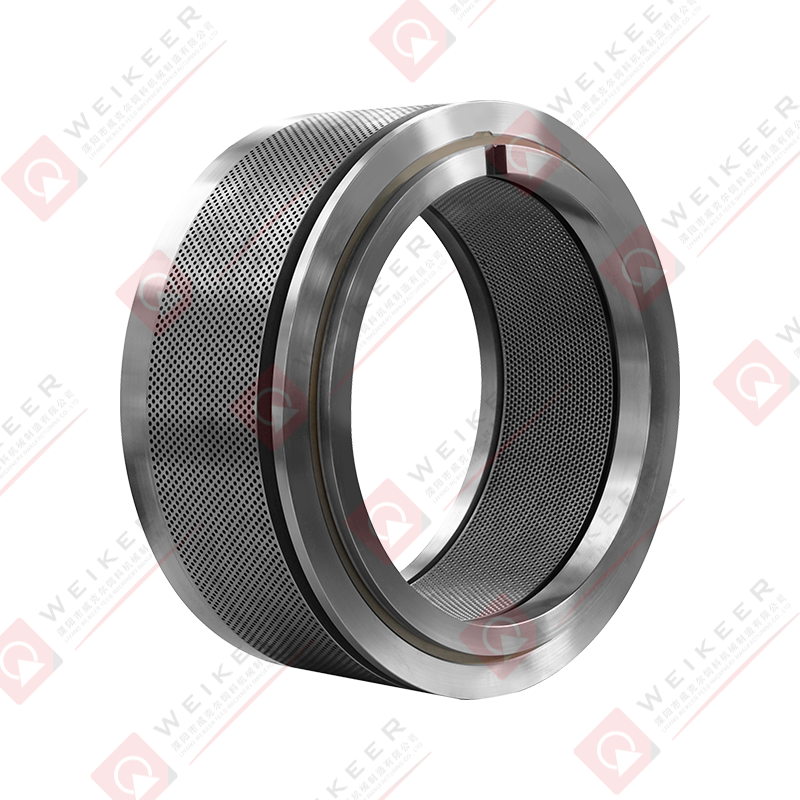
While many ring dies are manufactured from alloy steel, stainless steel offers specific advantages that make it well suited for certain pelletizing applications, particularly those involving moisture-heavy or corrosive raw materials.
Stainless steel's chromium content forms a protective oxide layer that resists rust and corrosion, which is especially important when processing materials with high moisture content or when the pellet mill operates in humid environments. Alloy steel dies, by comparison, are more prone to surface corrosion over time, which can affect pellet quality and shorten die service life.
For pellet mills producing feed or food-related products, stainless steel's non-reactive surface reduces the risk of contamination and makes cleaning between production runs more straightforward. This is particularly relevant for facilities that switch between different raw materials and need to avoid cross-contamination.
Stainless steel can be finished to a smoother surface than many alloy steel alternatives, which reduces friction as material passes through the die holes. This can result in more consistent pellet density and a cleaner pellet surface, which is often desirable for premium feed products or pellets intended for retail packaging.
| Die Material | Corrosion Resistance | Best Suited For |
| Alloy Steel | Moderate | Dry, abrasive materials |
| Stainless Steel | High | Moist, corrosive, or hygienic-sensitive materials |
Beyond material selection, several design elements influence how effectively a screw-type stainless steel ring die performs in production.
Matching these design elements to the specific raw material being processed, whether wood biomass, animal feed, or another material type, has a direct impact on pellet quality, production efficiency, and how frequently the die will need replacement.
Screw-type stainless steel ring dies are used across a range of pelletizing industries where corrosion resistance and hygienic processing offer clear operational advantages.
Proper installation of a screw-type stainless steel ring die is essential for achieving even pellet production and avoiding premature wear. Before installation, the die surface and mounting flange should be thoroughly cleaned to remove any debris or residue that could prevent the die from seating evenly against the machine.
Mounting screws should be tightened gradually and in a crosswise pattern, similar to tightening lug nuts on a wheel, to ensure even clamping pressure across the entire die surface. Uneven tightening can cause the die to sit slightly out of alignment, to inconsistent pellet quality or accelerated wear on one section of the die relative to others.
After installation, running the mill at a reduced feed rate for an initial break-in period allows the rollers and die surface to settle into consistent contact, which helps prevent premature scoring or uneven wear patterns that can develop if the mill is immediately run at full production capacity.
Regular maintenance significantly extends the service life of a stainless steel ring die and helps maintain consistent pellet quality over time. Operators should periodically inspect die holes for signs of excessive wear, glazing, or blockage, since worn holes can affect pellet density and increase strain on the pellet mill's motor.
Cleaning the die after each production run, particularly when switching between different raw materials, helps prevent residue buildup that could affect the next batch's pellet quality or introduce contamination between product types. For dies used with moisture-heavy materials, allowing the die to fully dry before extended downtime periods helps preserve its corrosion-resistant surface even further.
By selecting a screw-type stainless steel ring die suited to the specific raw material and production requirements, and by following consistent installation and maintenance practices, pellet mill operators can achieve more reliable production output, reduce unplanned downtime, and extend the operational lifespan of one of the mill's critical components.
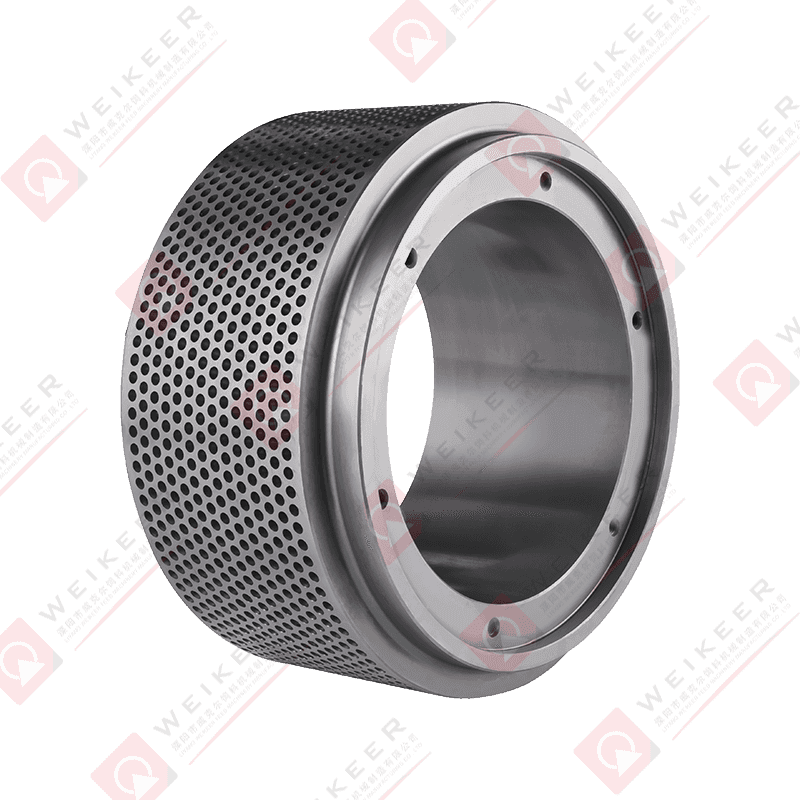
Alloy steel roller dimpled rollers have unique advantages and specific applications that make them valuable in various industries. The dimpled surface...
See Details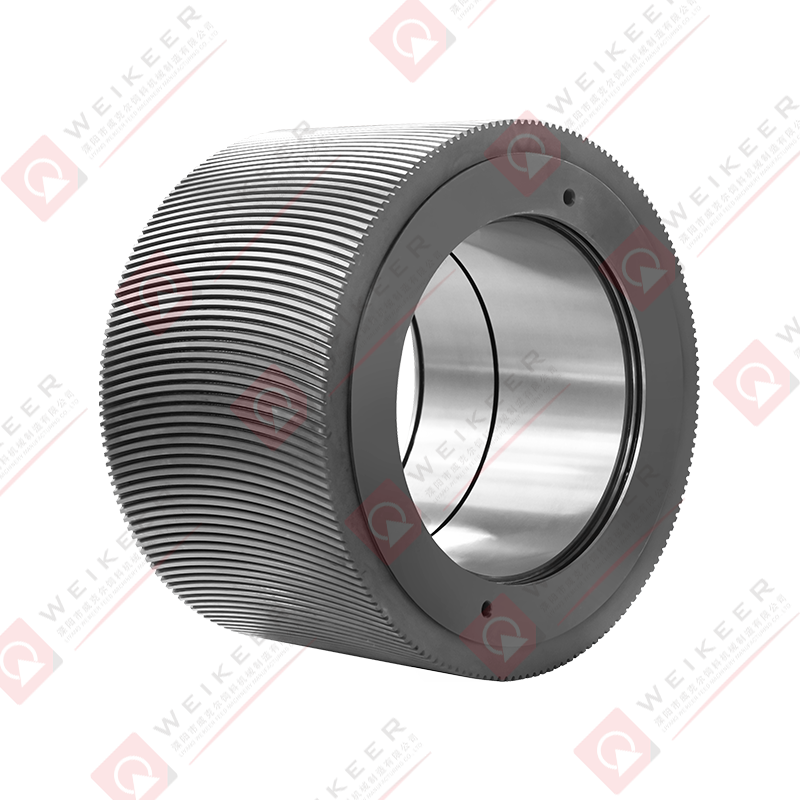
The 20CrMnTi roller with curved corrugation is a high-performance component made from durable 20CrMnTi alloy steel. Its unique curved design enhances ...
See Details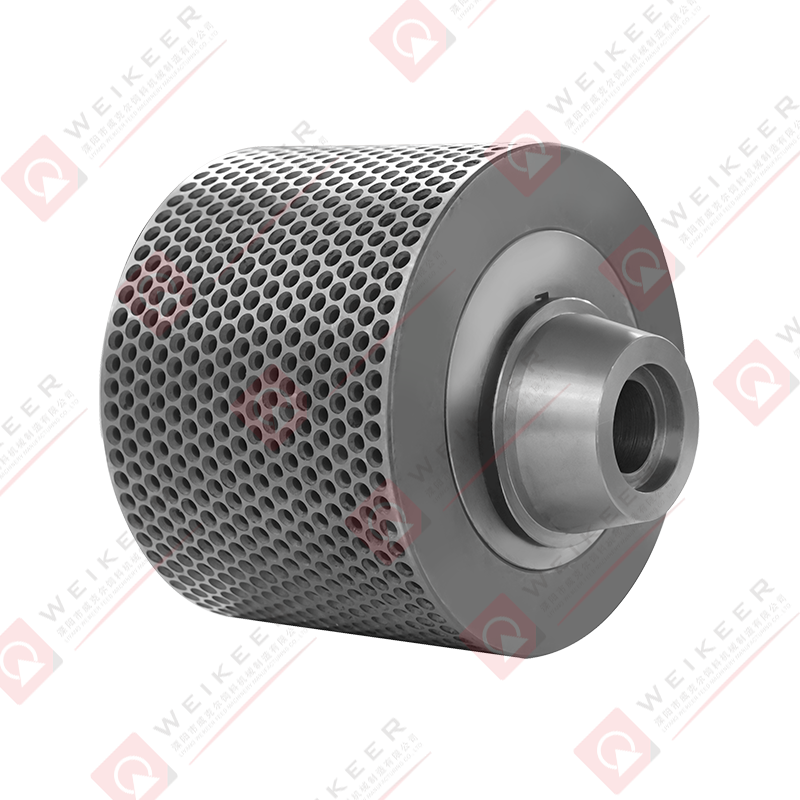
The closed-end structure enhances durability and provides better containment of materials, reducing the risk of spillage. The robust design minimizes ...
See Details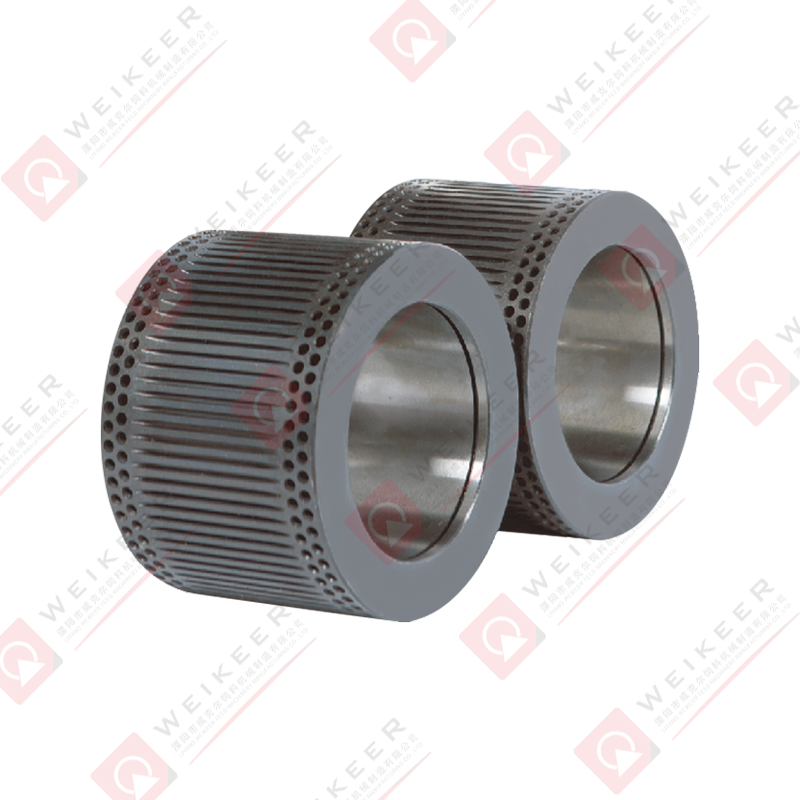
The GCr15 roller featuring a closed corrugation and dimpled design is a high-performance component crafted from GCr15 bearing steel, known for its wea...
See Details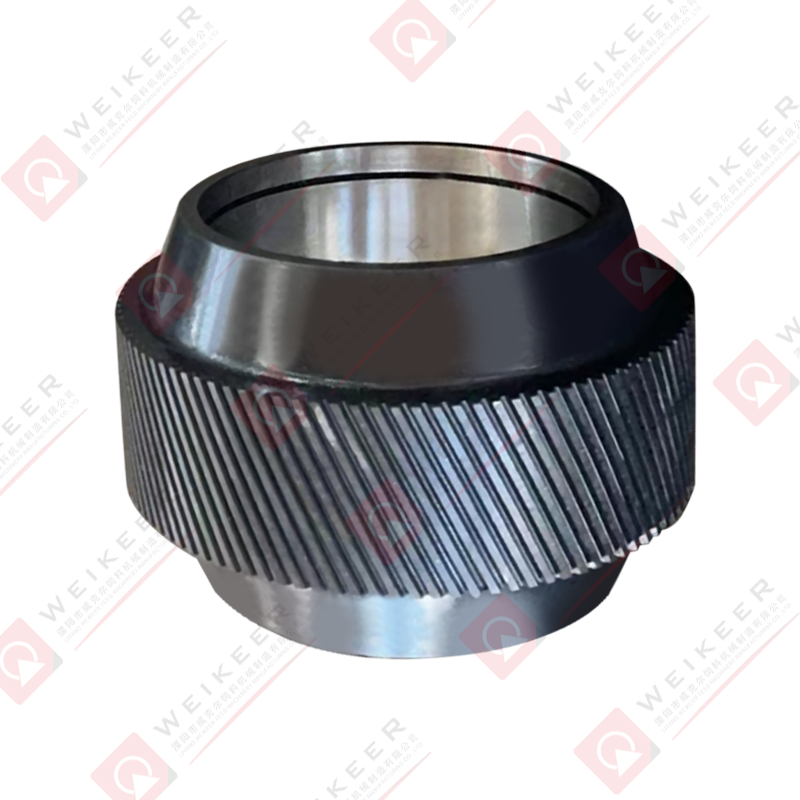
The GCr15 roller with a diagonal groove design is a highly engineered component made from GCr15 bearing steel, known for its exceptional strength and ...
See Details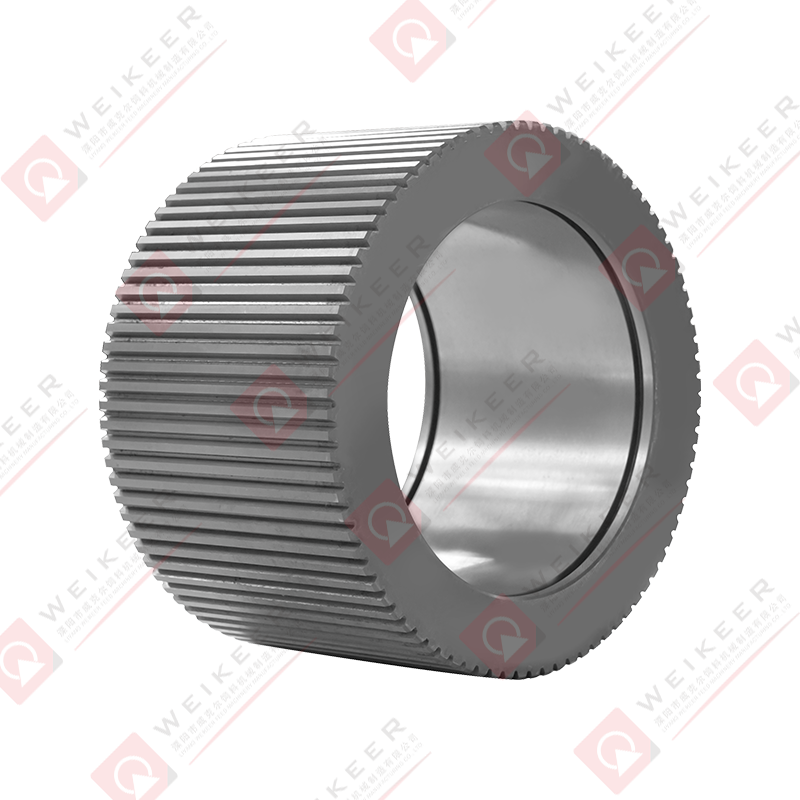
The spring steel roller with a corrugated open end is a high-performance component designed for effective material handling. Made from durable spring ...
See Details
The spring steel roller with a dimpled surface is a high-performance component designed for effective material handling. Made from durable spring stee...
See Details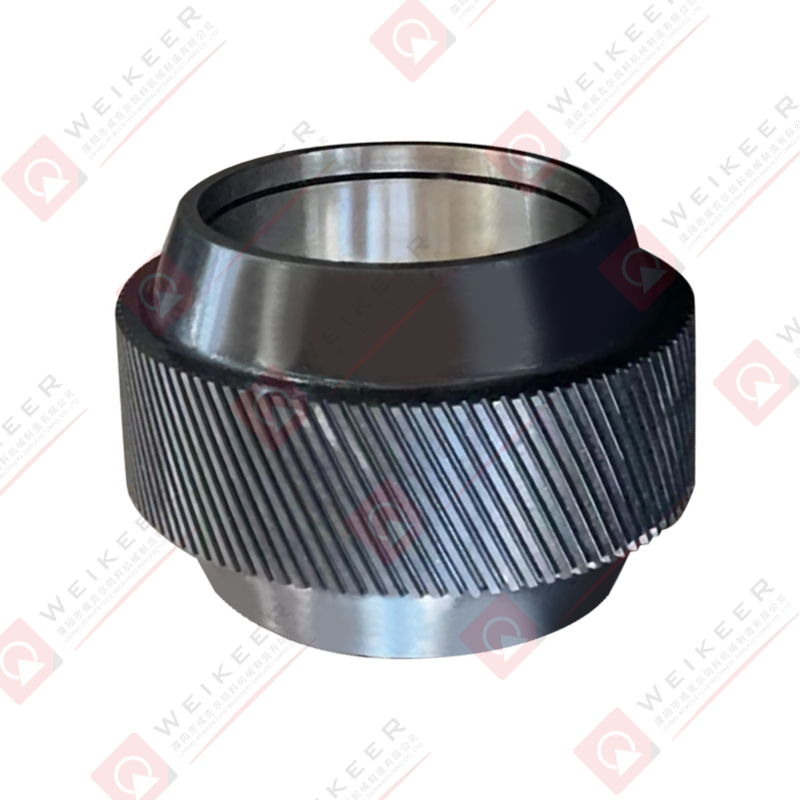
The 100Cr6 roller with a diagonal groove design is a specialized component crafted from high-quality Spring steel. The robust construction of the 100C...
See Details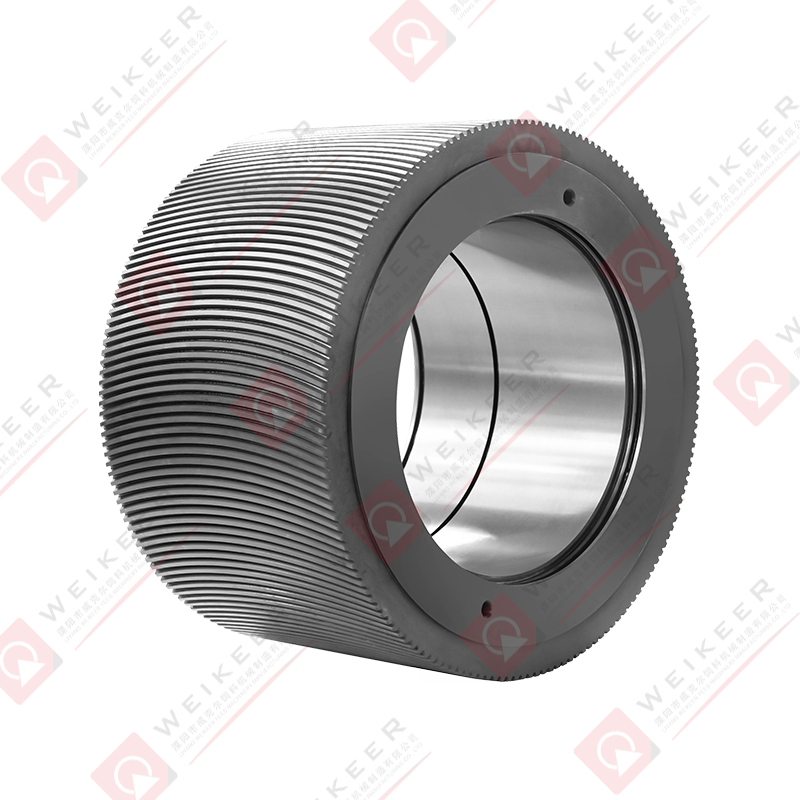
Made from high-quality 100Cr6 spring steel, providing exceptional hardness and wear resistance. The unique curved surface design enhances grip and tra...
See Details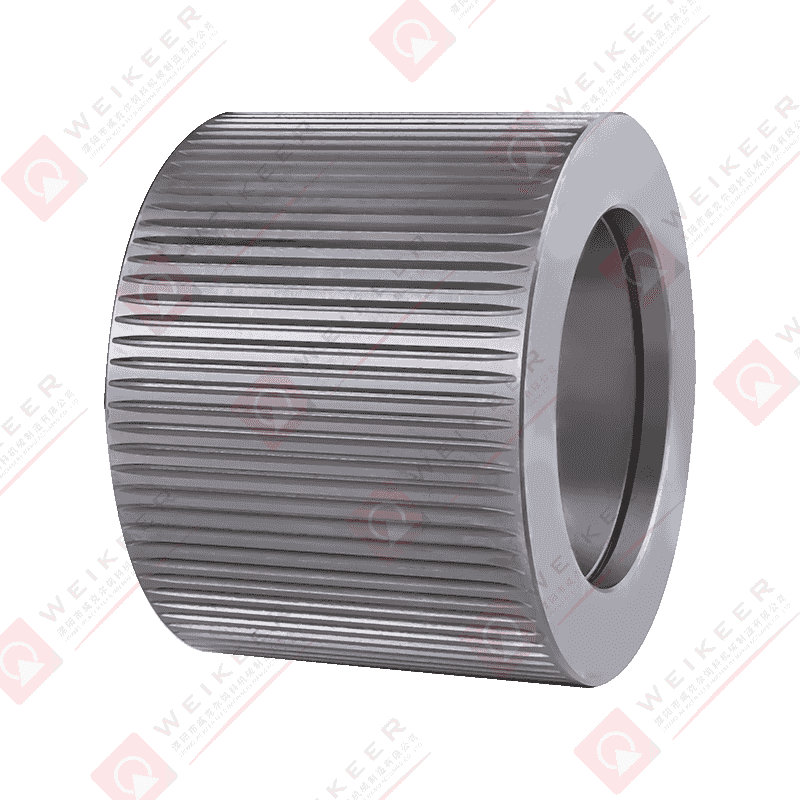
The closed-end structure enhances durability and provides better containment of materials, reducing the risk of spillage.The robust design minimizes w...
See Details
Add: No.12 Zhongdali Road, Xinbei Industrial Park, Daibu Town, Liyang, Jiangsu, China.

Phone: +86-13901498718

Tel: +86-0519-87306996

Email: alicezy@wkejx.com
Copyright © by Liyang Weikeer Feed Machinery Manufacturing Co.Ltd. Rights Reserved.
 Pellet Mills Dies Manufacturers
苏ICP备17039119号
Pellet Mills Dies Manufacturers
苏ICP备17039119号