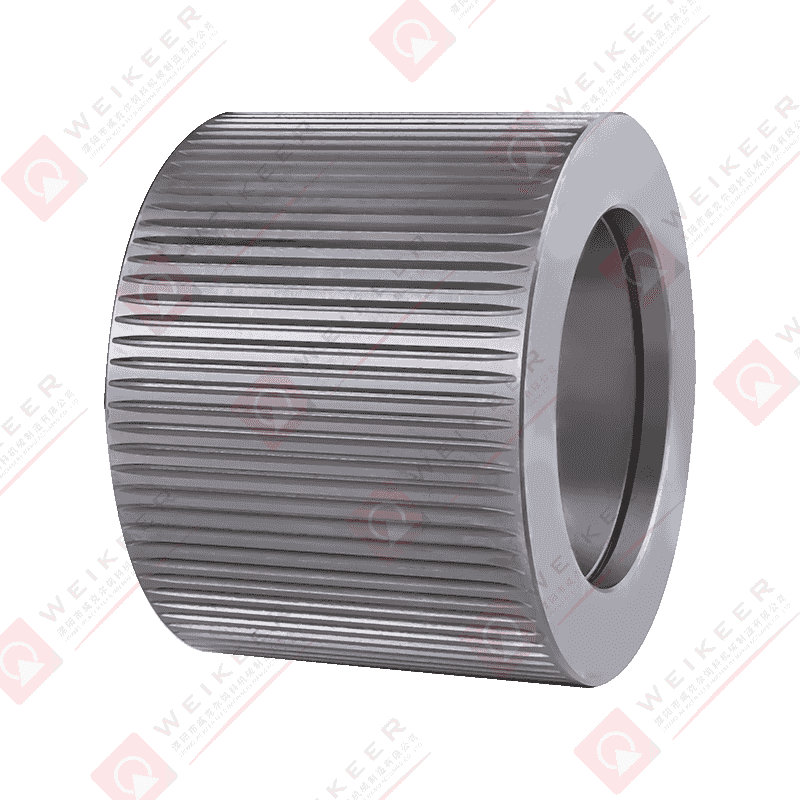
What Is a Screw Type Stainless Steel Ring Die Pellet Mill
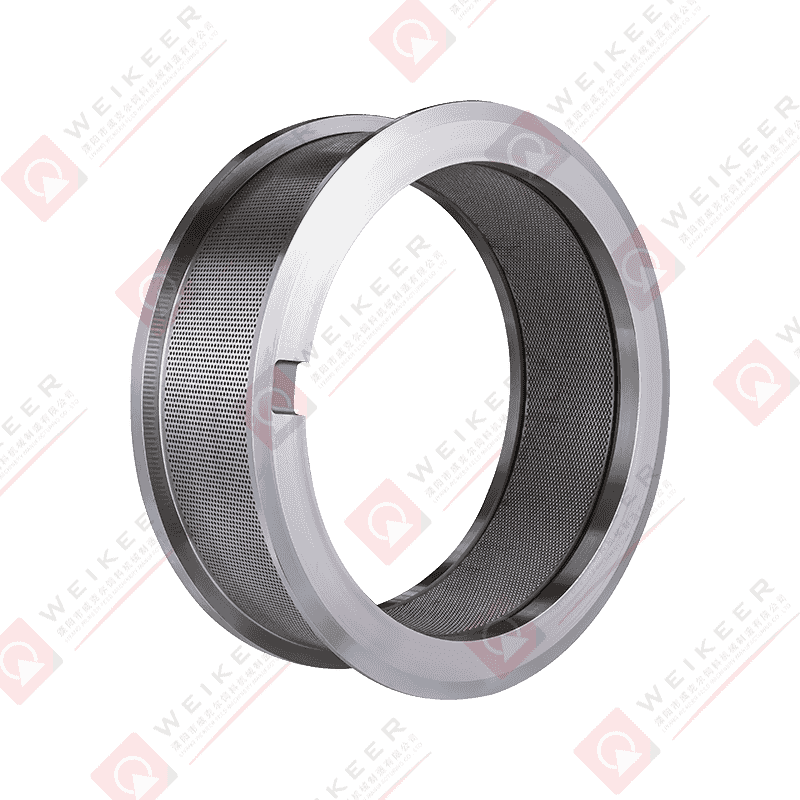
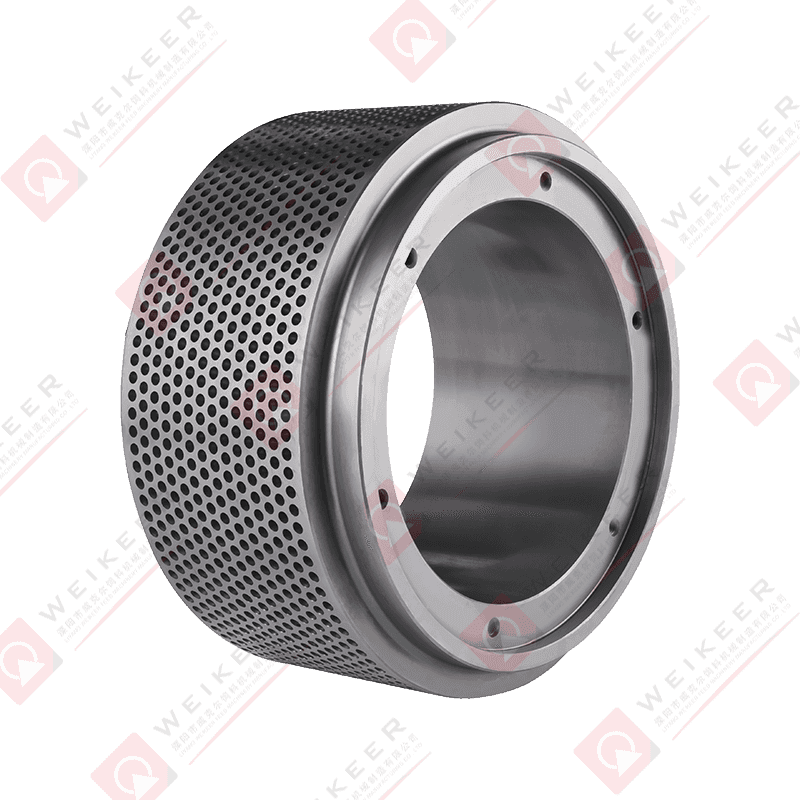
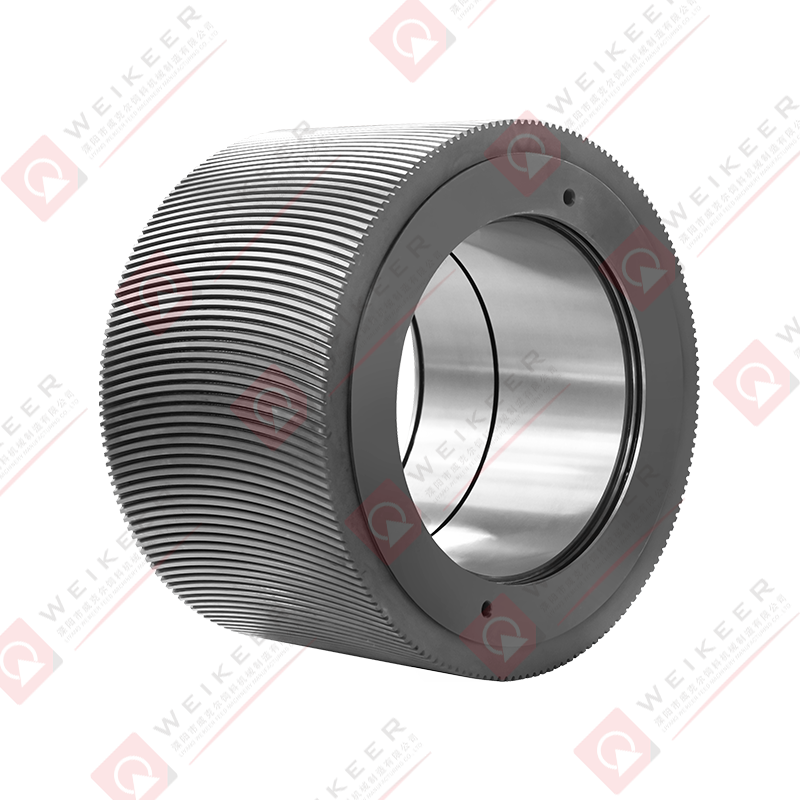
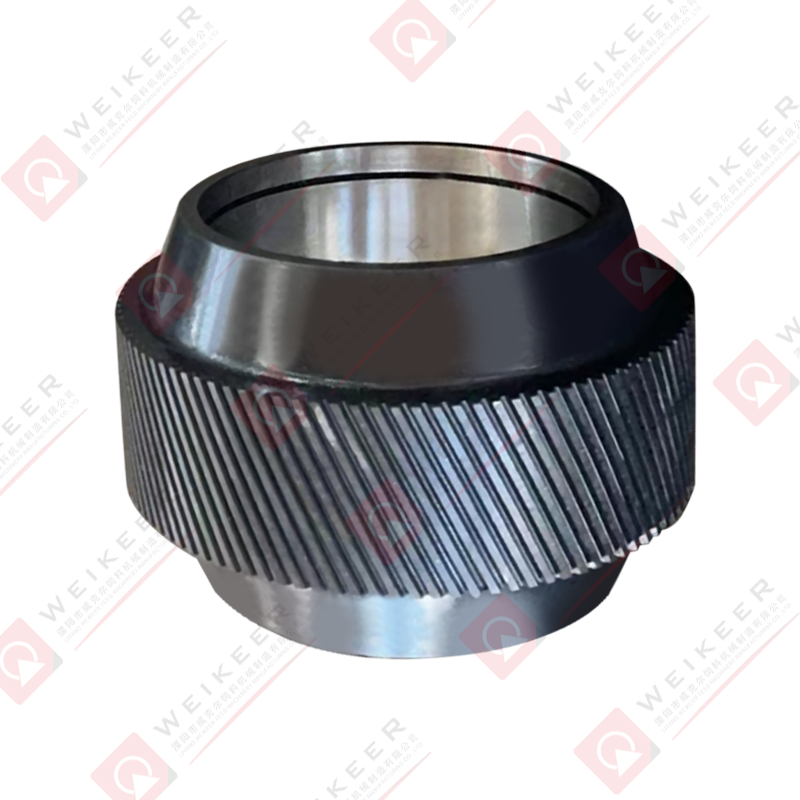
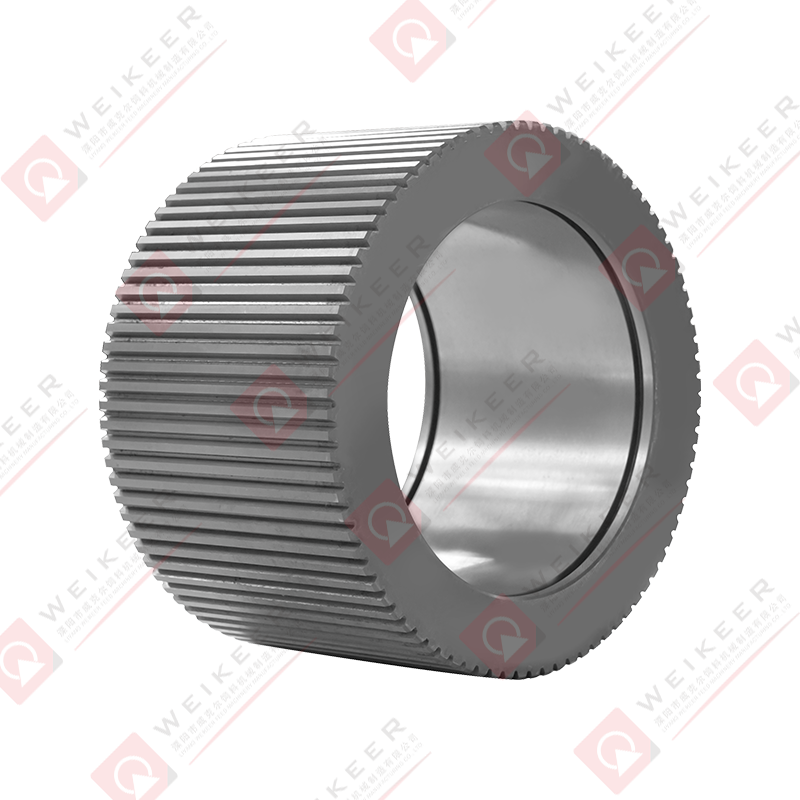
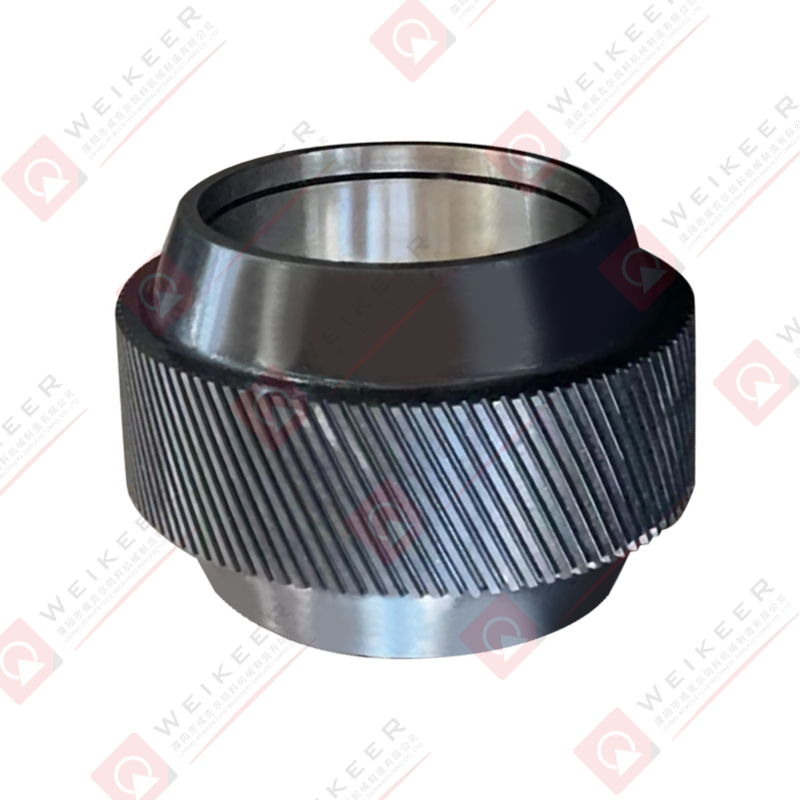
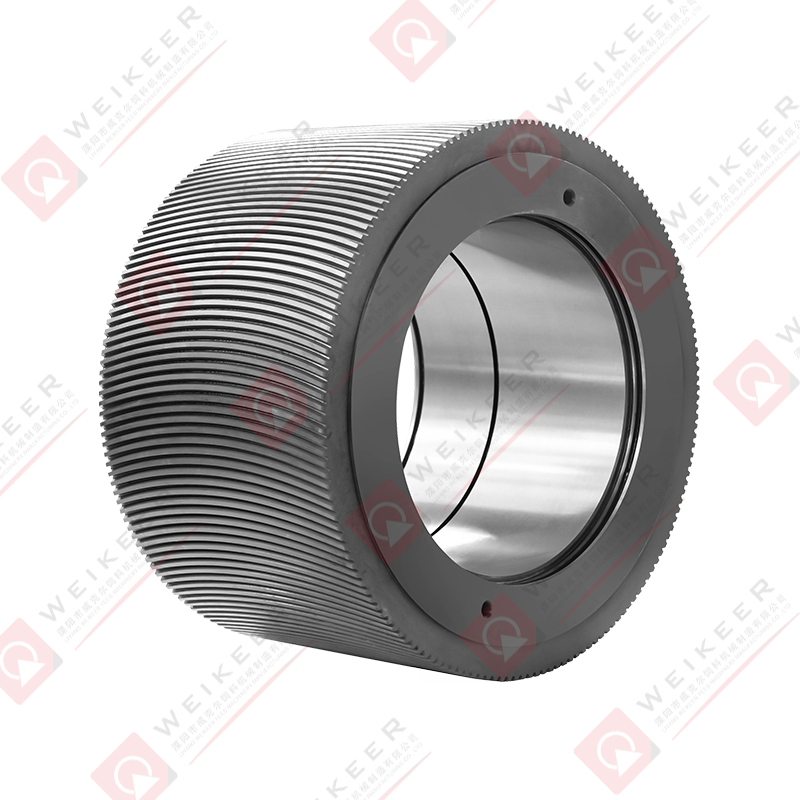
A screw type stainless steel ring die pellet mill is a machine that compresses loose material, such as feed, wood, or biomass, into dense cylindrical pellets by forcing it through holes in a rotating ring-shaped die made of stainless steel. The "screw type" designation refers to the feeding mechanism, which uses a rotating screw conveyor to deliver material into the pelletizing chamber at a controlled, consistent rate, ensuring the die and rollers receive an even flow of raw material during operation.
Stainless steel construction for the ring die is chosen specifically for its resistance to corrosion, wear, and heat buildup during the high-pressure compression process. Since pelletizing generates significant friction and heat as material is forced through the die holes, a stainless steel ring die maintains dimensional stability and surface integrity far longer than mild steel alternatives, particularly when processing moist or slightly abrasive materials.
How the Screw Feeding System Improves Consistency
The screw feeding mechanism plays a critical role in pellet quality by regulating the volume of material entering the pelletizing chamber, preventing the surges or gaps that can occur with gravity-fed systems. This consistent feed rate helps maintain uniform pellet density and reduces strain on the rollers and die during continuous operation.
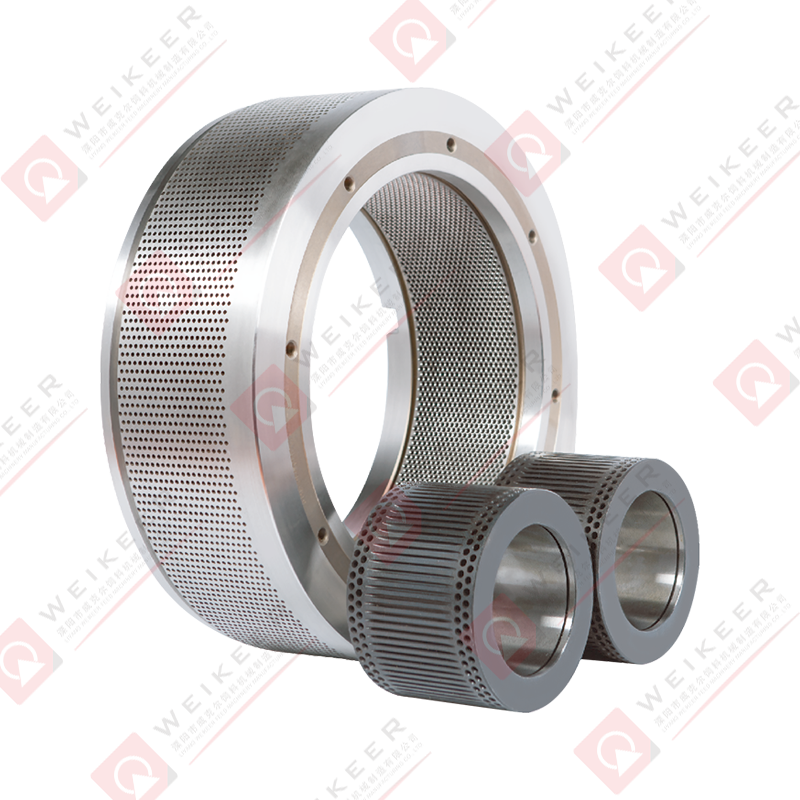
Key Components of a Ring Die Pellet Mill
Understanding the core components of a ring die pellet mill helps operators troubleshoot issues and make informed decisions when selecting or maintaining equipment. Each part plays a specific role in transforming loose raw material into finished pellets.
| Component |
Function |
Typical Material |
| Ring Die |
Shapes material into pellets through compression holes |
Stainless steel or alloy steel |
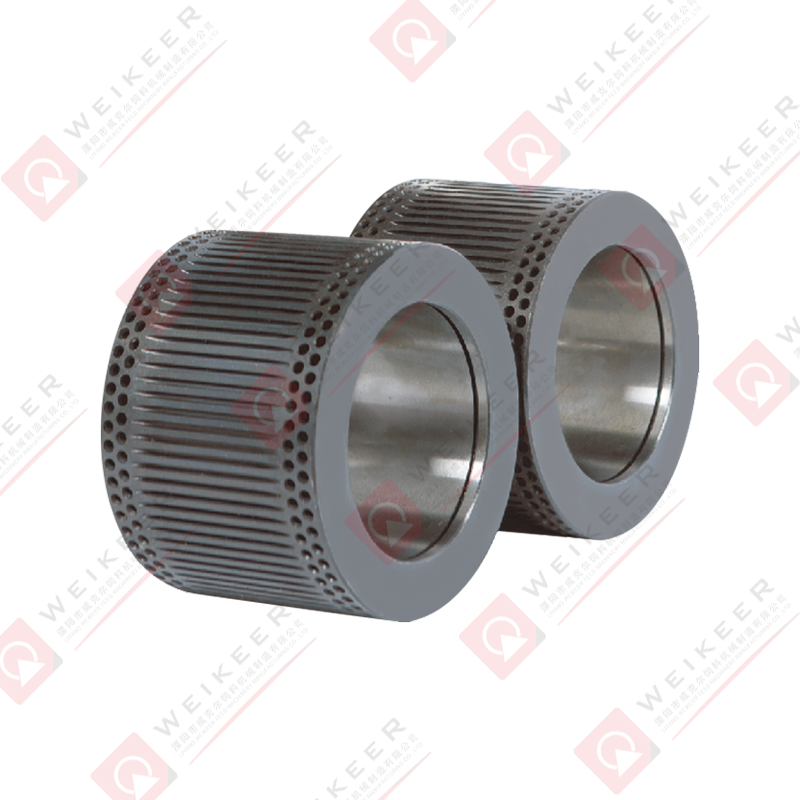
| Press Rollers |
Force material through the die holes under pressure |
Hardened steel |
| Feed Screw |
Delivers raw material into the pelletizing chamber |
Stainless or carbon steel |
| Cutting Knife |
Trims extruded pellets to a uniform length |
Hardened alloy steel |
| Main Drive Motor |
Powers the rotation of the ring die and rollers |
N/A |
Why Ring Die Hole Design Matters
The diameter and length-to-diameter ratio of the holes in the ring die directly determine both pellet size and compression quality, with longer hole channels generally producing denser, more durable pellets at the cost of increased power consumption. Selecting the correct die specification for the target material and desired pellet hardness is essential for consistent output.
Common Applications of Screw Type Ring Die Pellet Mills
Ring die pellet mills with stainless steel dies are used across multiple industries where consistent, durable pellet production is required. The corrosion resistance of stainless steel makes these mills especially suitable for materials with higher moisture content or mild acidity.
- Animal feed production: Ring die mills compress grains, meals, and additives into uniform feed pellets for livestock, poultry, and aquaculture.
- Wood pellet manufacturing: Sawdust and wood shavings are compressed into fuel pellets used for heating and industrial boilers.
- Biomass fuel production: Agricultural residues like straw and husks are processed into pellets as a renewable energy source.
- Organic fertilizer pelletizing: Composted organic material is formed into pellets for easier storage, transport, and field application.
- Fish feed manufacturing: Stainless steel ring dies are often preferred here due to their resistance to corrosion from moisture-heavy formulations.
Advantages of Stainless Steel Ring Dies
Stainless steel ring dies offer notable advantages over standard alloy steel dies, particularly in terms of longevity and resistance to environmental degradation. Because stainless steel resists rust and corrosion, it performs reliably even when processing materials with higher moisture content, which would otherwise accelerate wear and pitting on less resistant die surfaces.
This corrosion resistance also translates to easier cleaning and maintenance, since stainless steel surfaces are less prone to material buildup and residue adhesion compared to carbon steel dies. For operations processing food-grade or feed-grade materials, stainless steel construction additionally supports better hygiene standards, reducing the risk of contamination between production runs.
Balancing Durability and Cost
While stainless steel ring dies typically cost more upfront than standard alloy steel versions, their extended service life and reduced maintenance requirements often result in lower total cost of ownership over time, particularly for operations running continuous, high-volume production schedules.
Tips for Selecting a Ring Die Pellet Mill
When choosing a screw type stainless steel ring die pellet mill, matching the die's hole diameter and compression ratio to the specific material being processed is essential for achieving the desired pellet density and durability. Materials with higher fiber or moisture content generally require different die specifications than dry, fine-textured materials to avoid clogging or excessive wear.
Buyers should also evaluate the mill's production capacity against their operational needs, ensuring the motor power and feed system can support consistent throughput without overloading the equipment. Working with a manufacturer that offers replacement die and roller sets, along with technical guidance on die selection for specific raw materials, helps ensure long-term reliability and reduces costly downtime from mismatched equipment specifications.



 русский
 Español
 عربى
عربى 中文简体
中文简体