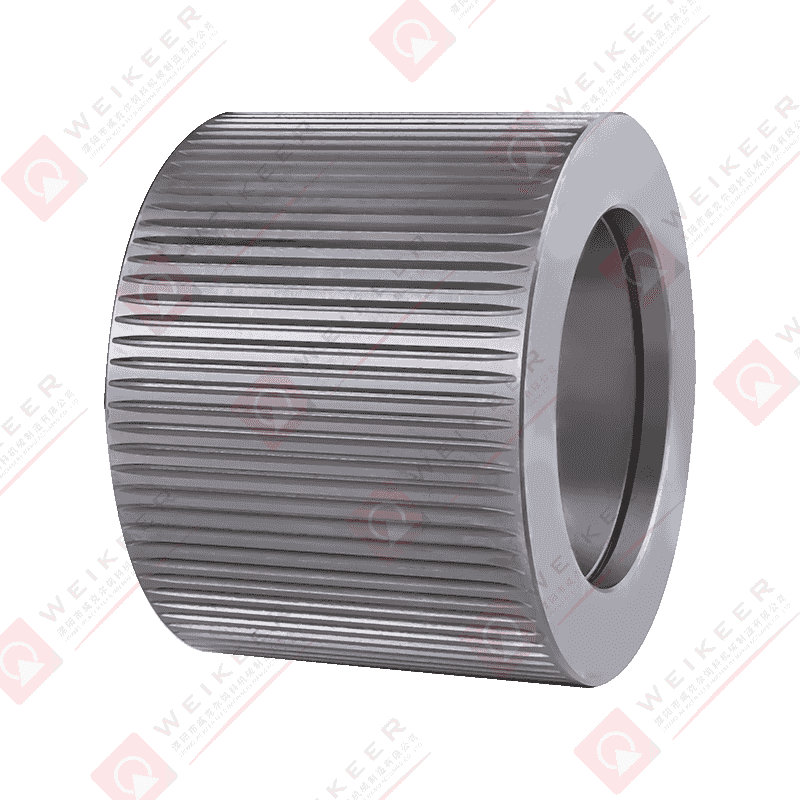
The Role of the Ring Die in a Biomass Pellet Mill
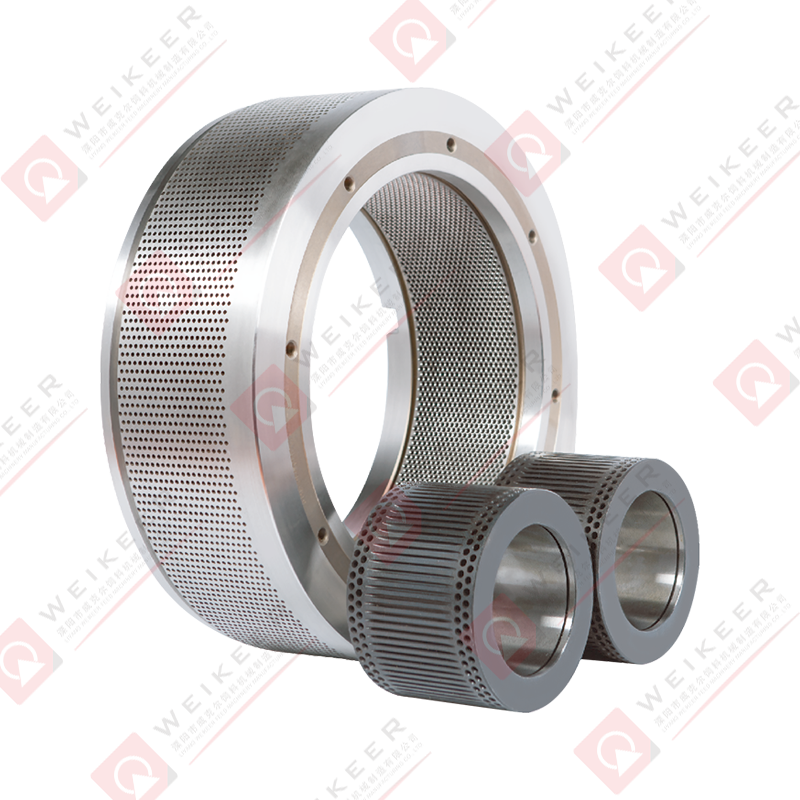
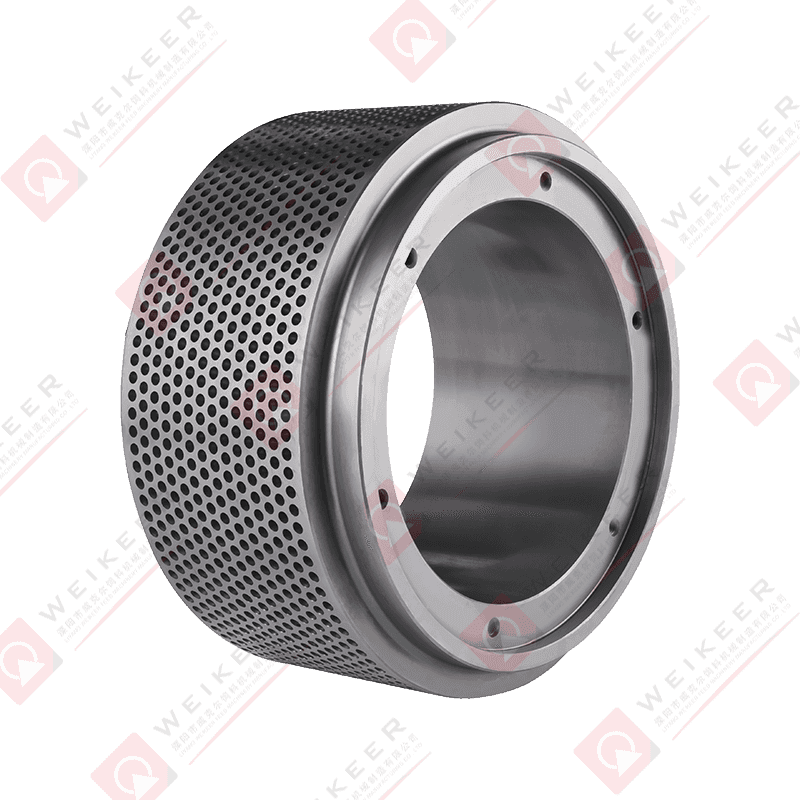
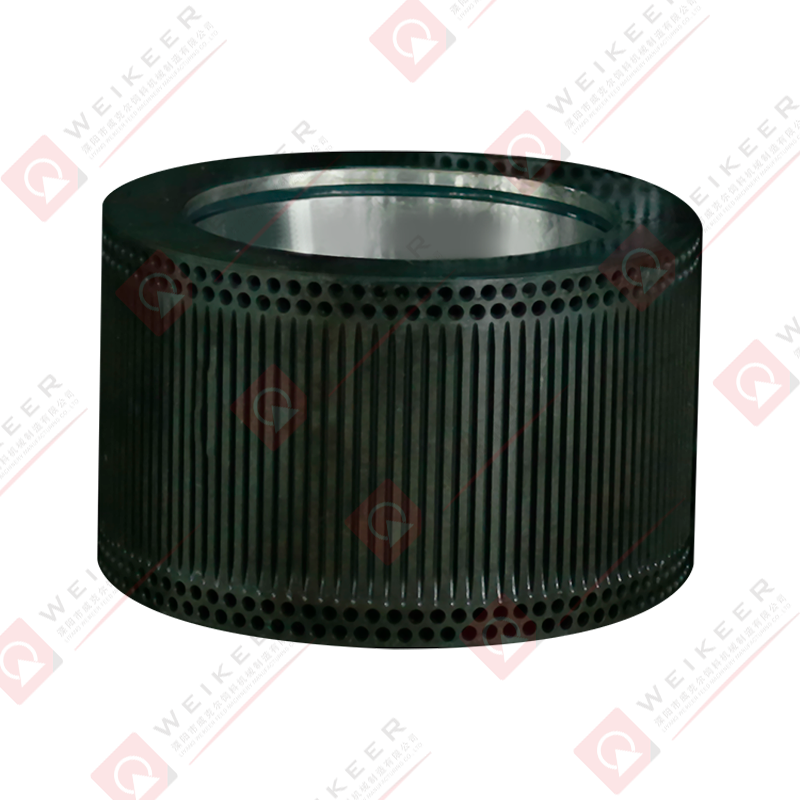
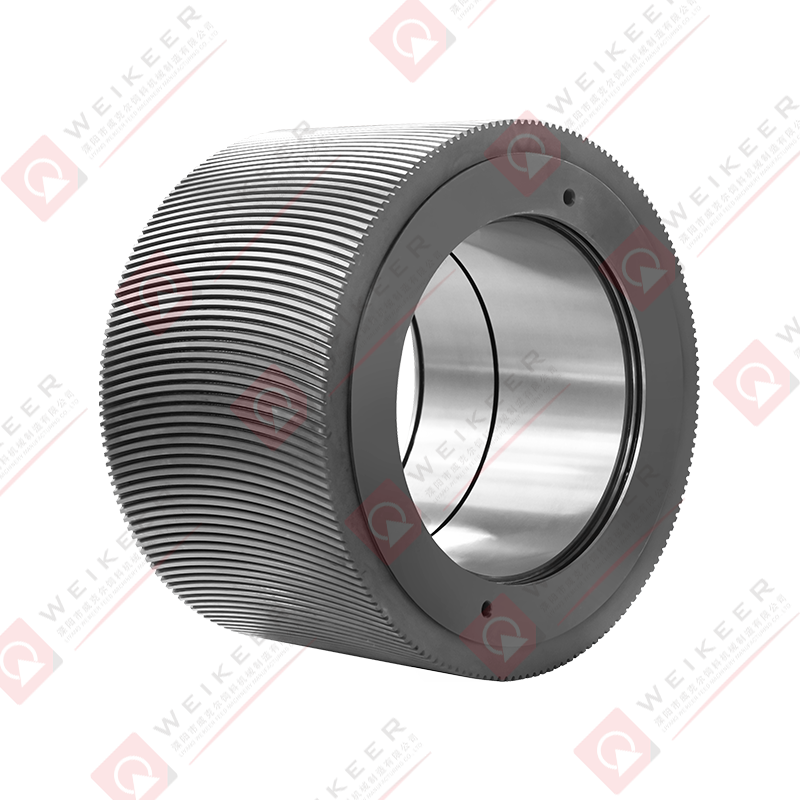
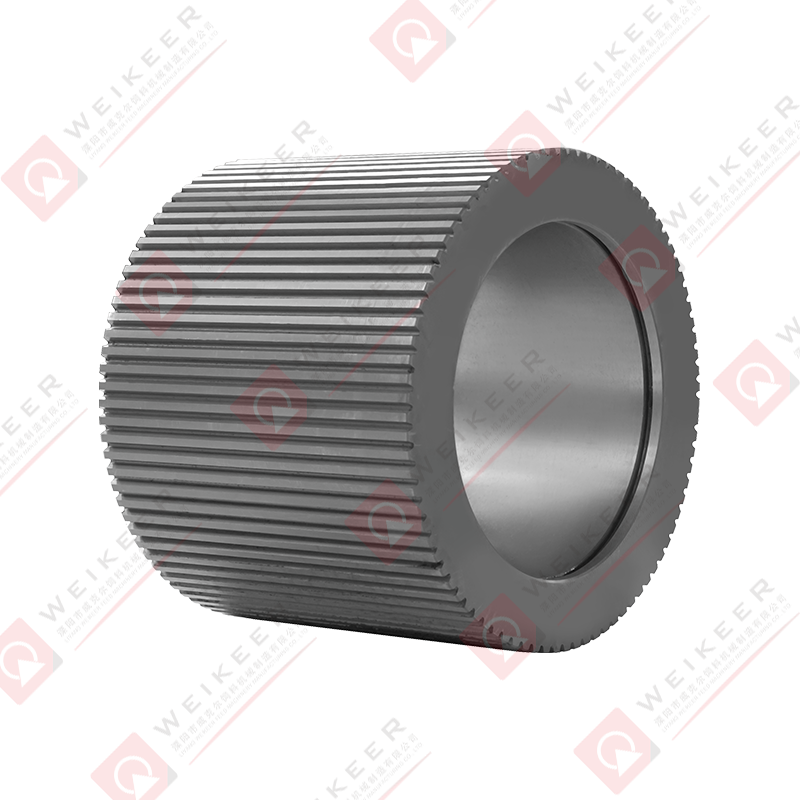
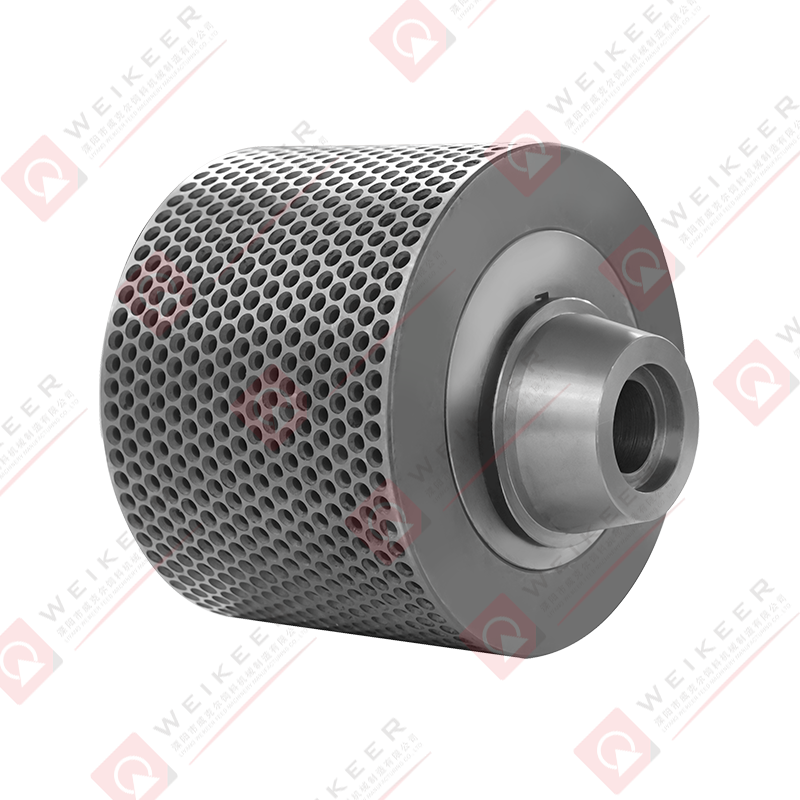
In any biomass pellets mill, the ring die is the single critical mechanical component. It is a thick, cylindrical steel shell perforated with hundreds of precisely drilled holes — called die channels — through which biomass material is forced under high pressure by rotating rollers. As the compressed material exits these channels, it is cut to length by external knives, producing the uniform cylindrical pellets used for fuel, animal feed, and industrial energy systems.
The ring die determines not only the shape and density of the final pellet but also the throughput capacity, energy consumption, and operational lifespan of the entire machine. A poorly matched or worn ring die can cause everything from poor pellet quality and low output to excessive motor load and premature roller failure. Understanding how it works and what specifications matter is essential for anyone operating or investing in a biomass pelletizing system.
How the Ring Die Pelletizing Process Works
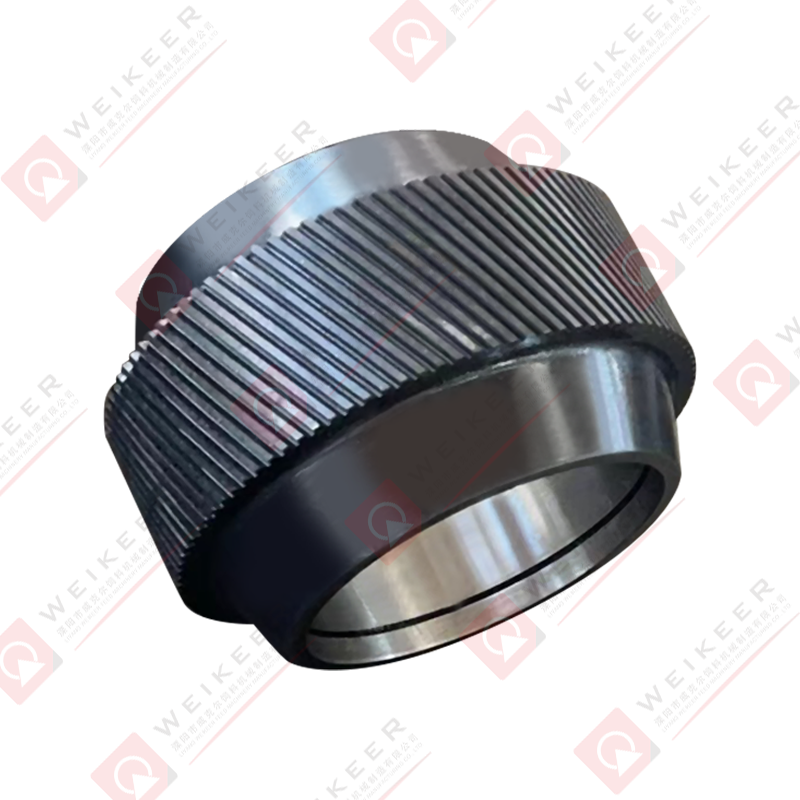
The pelletizing chamber sits at the heart of the mill. The ring die rotates at a set speed while two or more press rollers — positioned inside the die — are driven by friction against the inner surface. Biomass feedstock, typically pre-conditioned with steam or moisture to a level between 12% and 17%, is fed into the gap between the rollers and the inner die surface.
As the rollers press the biomass into the die holes, tremendous compressive forces build up. The lignin naturally present in wood and agricultural residues softens under heat and pressure, acting as a natural binder that holds the pellet together once it cools outside the die. The length of the die channel — known as the effective length — controls how long the material remains under compression, which directly affects pellet hardness and density.
Once the compressed material exits the outer face of the ring die, a stationary or rotating cutter blade slices the extruded rod into pellets of the desired length, typically between 10mm and 30mm depending on the application and machine setting.
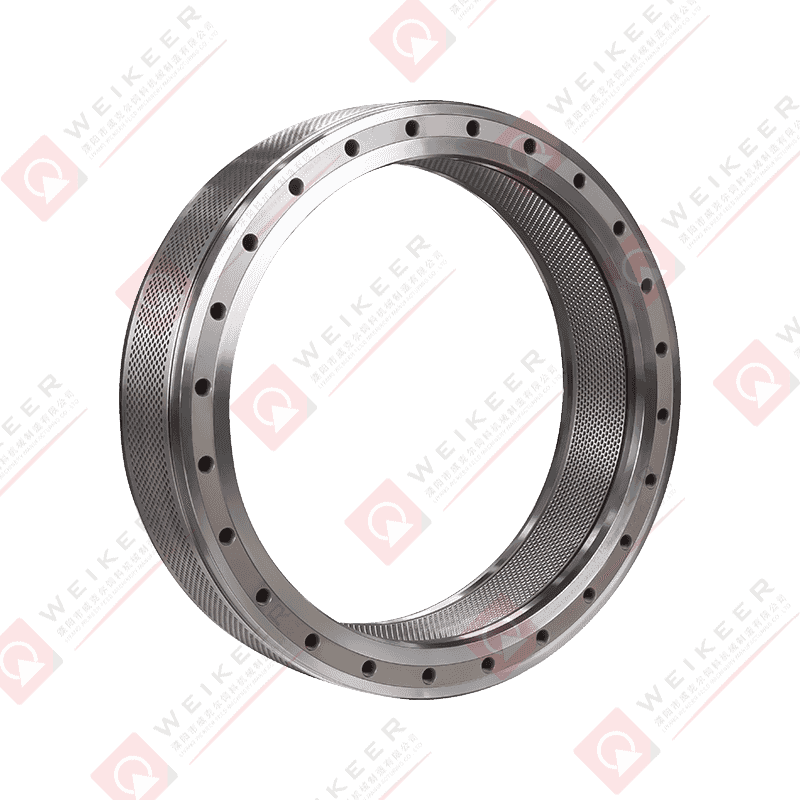
Critical Ring Die Specifications and What They Mean
Selecting the right ring die for a specific biomass material requires understanding several interrelated technical parameters. Each specification has a direct impact on pellet quality and machine performance.
Hole Diameter
The die hole diameter defines the pellet diameter. Standard biomass fuel pellets are produced at 6mm or 8mm. Feed pellets may range from 2mm to 12mm. Choosing the correct diameter depends on the end-use market — European ENplus fuel standards, for instance, specify 6mm or 8mm pellets with strict tolerances on diameter and length deviation.
Compression Ratio (L/D Ratio)
The compression ratio is the ratio of the effective hole length to the hole diameter (L/D). This is arguably the important die specification. A higher L/D ratio means the material spends more time under compression, producing harder and denser pellets, but also requiring more energy and generating more heat. A lower L/D ratio produces softer pellets with less resistance — suitable for materials that bind easily. Typical L/D ratios for wood biomass range from 5:1 to 8:1, while harder or drier materials may require ratios above 9:1.
Counter Bore (Relief Hole)
Many ring dies feature a counter bore — a wider entry section that tapers down to the compression channel. This relief area reduces the entry resistance for the material, allowing smoother feeding into the die holes and reducing wear at the inlet. The counter bore geometry is especially important when processing fibrous or abrasive biomass materials like rice husks, bamboo, or corn stover.
Open Area Ratio
The open area ratio describes the percentage of the die surface that is occupied by holes versus solid steel. A higher open area means more output per revolution but reduces the structural strength of the die. For biomass applications, open area typically ranges from 20% to 35%, depending on hole diameter, wall thickness between holes, and die diameter.
Ring Die Materials and Steel Grades
The material used to manufacture a ring die must withstand continuous abrasion, cyclical compression stress, and elevated temperatures. Low-quality dies wear rapidly, to oversized pellets, cracking, and frequent replacement costs that quickly exceed the initial savings. The commonly used materials are:
- X46Cr13 (Stainless Steel): A standard grade offering good corrosion resistance and moderate hardness. Suitable for wood pellet applications where abrasion levels are moderate.
- 20MnCr5 (Alloy Case-Hardened Steel): A high-strength alloy that is case-hardened to produce a tough, wear-resistant outer surface with a ductile core. Widely regarded as the balance of durability and machinability for biomass applications.
- X155CrVMo12-1 (D2 Tool Steel): An extremely hard, high-chromium tool steel used for highly abrasive materials like rice husks or palm kernel shells. Offers exceptional wear life but is more brittle and expensive to manufacture.
- 316 Stainless Steel: Selected for wet or chemically aggressive feedstocks where corrosion resistance is prioritized over hardness.
Surface hardness of a quality ring die should reach HRC 55–62 after heat treatment. Dies that are too hard become brittle and prone to cracking under shock loads, while under-hardened dies wear out quickly in the compression zone.
Matching the Ring Die to Your Biomass Feedstock
Not all biomass materials behave the same in a pellet mill. The moisture content, fiber structure, lignin content, ash content, and particle size of the feedstock all influence which ring die configuration will perform best. Using a die designed for softwood on high-silica agricultural residues, for example, will result in rapid hole erosion and undersized pellets within hours of operation.
| Biomass Type |
Recommended L/D Ratio |
Recommended Steel Grade |
Notes |
| Softwood Sawdust |
5:1 – 7:1 |
X46Cr13 / 20MnCr5 |
High natural lignin; binds easily |
| Hardwood Chips |
6:1 – 8:1 |
20MnCr5 |
Denser fiber; needs more compression |
| Rice Husks |
8:1 – 10:1 |
D2 Tool Steel |
Very high silica; abrasion |
| Wheat / Corn Straw |
6:1 – 8:1 |
20MnCr5 |
Low lignin; may require binders |
| Palm Kernel Shell |
7:1 – 9:1 |
D2 Tool Steel |
Hard and abrasive; pre-grinding essential |
Signs of Ring Die Wear and When to Replace It
Ring dies are wear parts. No matter how well they are manufactured or maintained, they will eventually reach the end of their useful life. Recognizing the signs of wear early prevents wasted energy, off-spec product, and damage to rollers and bearings. The reliable indicators include:
- Pellet diameter increase: As the die holes erode from abrasion, their inner diameter grows. Pellets that begin measuring 6.5mm or more from a 6mm die indicate significant wear and loss of compression efficiency.
- Reduced pellet hardness: Worn channels provide less resistance, meaning the material does not compress as fully. Pellets become crumbly, dusty, or fail durability tests (EN ISO 17831 standard requires >97.5% durability for premium fuel pellets).
- Increased motor amperage: As holes wear unevenly, some channels offer more resistance while others become loose. This imbalance causes irregular roller loading and higher energy draw.
- Visible surface cracking or hole deformation: Physical cracks between die holes or at the die face are signs of fatigue failure. Continued operation with a cracked die risks catastrophic fracture and serious machine damage.
As a general guide, a high-quality ring die in a wood pellet application should last between 800 and 1,500 operating hours depending on feedstock abrasivity, moisture consistency, and maintenance practices. Keeping an accurate log of operating hours and pellet quality metrics is the practical way to predict replacement intervals and avoid unplanned downtime.
Practical Maintenance Practices to Extend Ring Die Life
Proactive maintenance is far less costly than emergency die replacement. The following practices consistently extend die service life and protect pellet quality:
- Always condition feedstock to the correct moisture range (12–16% for wood biomass) before pelletizing. Dry material causes excessive friction and heat; wet material sticks and blocks die holes.
- Before shutting down the mill, run an oily material (such as a mix of sawdust and vegetable oil) through the die to coat the hole surfaces and prevent corrosion during downtime.
- Maintain correct roller-to-die gap settings (typically 0.1–0.3mm). Excessive gap reduces compression; zero gap causes metal-to-metal contact and catastrophic wear.
- Inspect feedstock for metal contamination and install magnetic separators in the feed line. Even small metal fragments can chip die holes or crack roller surfaces within minutes.
- Rotate the die 180 degrees at midlife if design permits, to equalize wear from uneven feedstock distribution across the die width.
The ring die is not just a replaceable part — it is the precision heart of the entire biomass pelletizing process. Investing in the right die specification, the correct steel grade, and a disciplined maintenance routine pays back many times over in consistent pellet quality, reduced energy costs, and maximized production uptime.



 русский
 Español
 عربى
عربى 中文简体
中文简体